

We are a digital agency helping businesses develop immersive, engaging, and user-focused web, app, and software solutions.
2310 Mira Vista Ave
Montrose, CA 91020

2500+ reviews based on client feedback
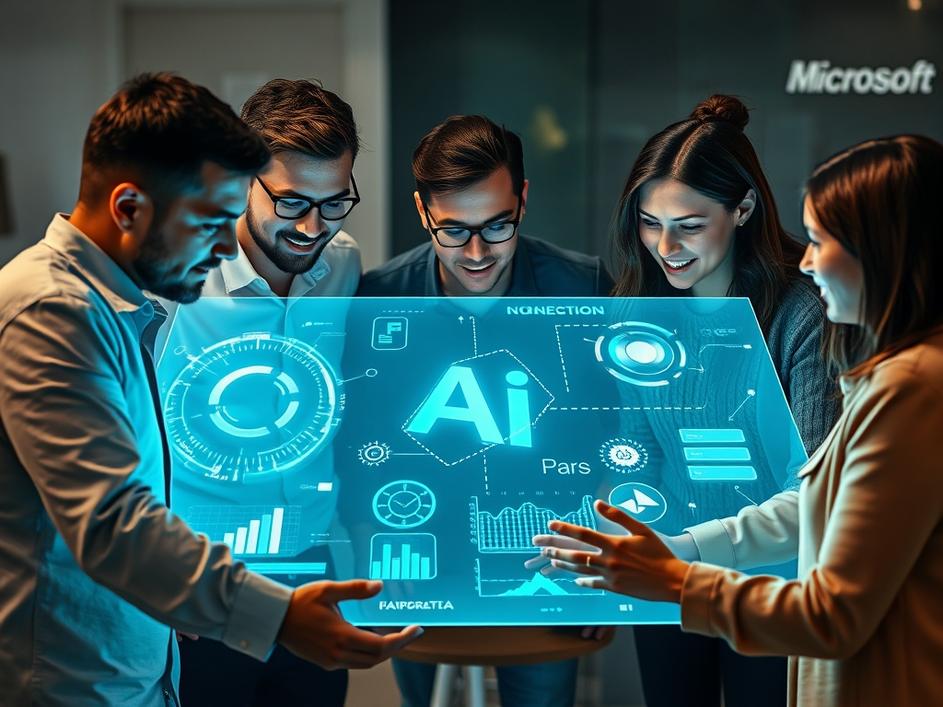
The tech world has seen its share of ups and downs recently. Layoffs hit hard, making many wonder about the future of work in big companies. But now, a major player is charting a new course. Microsoft, under Satya Nadella’s leadership, is set to expand its team again. This isn’t just a simple return to hiring, though. There’s a big shift in focus. The company is putting artificial intelligence at the core of its talent search. They want people who truly understand and can apply AI. This move tells us a lot about where technology is headed and what skills will matter most in the coming years.
\n\n
What's Included?
Toggle\n
For many months, the tech industry faced a lot of uncertainty. News about job cuts dominated the headlines, creating a cautious atmosphere. So, when a company as influential as Microsoft announces plans to hire, it sends a strong message. But this isn’t about simply filling old roles. Satya Nadella has made it clear that the new hires must demonstrate their AI aptitude. This isn’t just about increasing staff numbers; it’s about building a workforce that is fundamentally geared towards intelligent systems. It’s a strategic decision that reflects AI’s rapid rise and its critical importance to Microsoft’s future products and services. The company sees AI as the foundation for innovation, and their hiring reflects this deep commitment.
\n\n
\n
When we hear “AI-first,” it’s easy to think it only applies to engineers building complex models. However, I believe its scope is much wider. It suggests that every role, from those in product development to customer engagement, will need to grasp and apply AI concepts. This goes beyond technical coding skills; it’s about a genuine “AI mindset.” Can you envision how AI might improve your daily tasks? Can you spot new opportunities where smart technology could create value or solve problems? It’s about being curious, adaptive, and able to think about how AI can enhance efficiency, drive new features, or improve user experiences. This approach requires a team that can integrate AI thinking into every aspect of their work, regardless of their specific title.
\n\n
\n
Microsoft is a trendsetter in technology, and its decisions often influence the wider industry. This AI-first hiring approach isn’t just relevant for Redmond; it’s a strong signal for companies everywhere. It’s highly probable that other major tech firms will soon adopt similar strategies. This could reshape how companies across various sectors, from finance to healthcare, recruit talent. Having a basic understanding of AI might soon become as essential as computer literacy once was. Think about a marketing professional using AI to analyze consumer trends, or an operations manager optimizing supply chains with smart algorithms. The demand for individuals who can combine human insight with AI capabilities is set to grow significantly. This means both educational institutions and individuals will need to adapt and prioritize AI-related skills.
\n\n
\n
For anyone currently looking for work, or even just planning their career, this news offers crucial guidance. The job landscape is clearly shifting. Skills related to AI, machine learning, data analysis, and even a general familiarity with AI tools are becoming extremely valuable. While this might seem daunting, it also presents a huge opportunity. There are many accessible ways to learn these skills today, from online courses to practical projects. You don’t always need an advanced degree to show an “AI-first” aptitude. It’s more about demonstrating curiosity, adaptability, and a genuine willingness to integrate intelligent tools into your work. This is a chance to upgrade your skill set and position yourself for the future roles that will define our economy.
\n\n
\n
Microsoft’s strategy provides a glimpse into the evolving workplace. AI isn’t poised to eliminate all jobs, but it will certainly change nearly every one of them. Our future roles will increasingly involve collaboration *with* AI, rather than simply performing tasks AI can now handle. This means human skills like creativity, critical problem-solving, emotional intelligence, and complex decision-making will become even more important. The workplace of tomorrow will likely thrive on a partnership between human talent and artificial intelligence. Companies that embrace this integrated model, as Microsoft is doing, are likely to lead the way. They will foster environments where employees are empowered by smart tools, pushing the boundaries of what’s possible in innovation and productivity.
\n\n
Satya Nadella’s statement is much more than a simple hiring update. It’s a clear declaration about the future trajectory of both technology and the workforce. Microsoft is making a significant commitment to AI, and they expect their entire team to share that vision. For individuals seeking employment, it’s a vital call to action. For other businesses, it’s a powerful indicator of what’s next. The age of AI is no longer a distant concept; it’s here, actively reshaping how we work, recruit, and innovate. This is a truly transformative period for all of us.



Comments are closed