

We are a digital agency helping businesses develop immersive, engaging, and user-focused web, app, and software solutions.
2310 Mira Vista Ave
Montrose, CA 91020

2500+ reviews based on client feedback
What's Included?
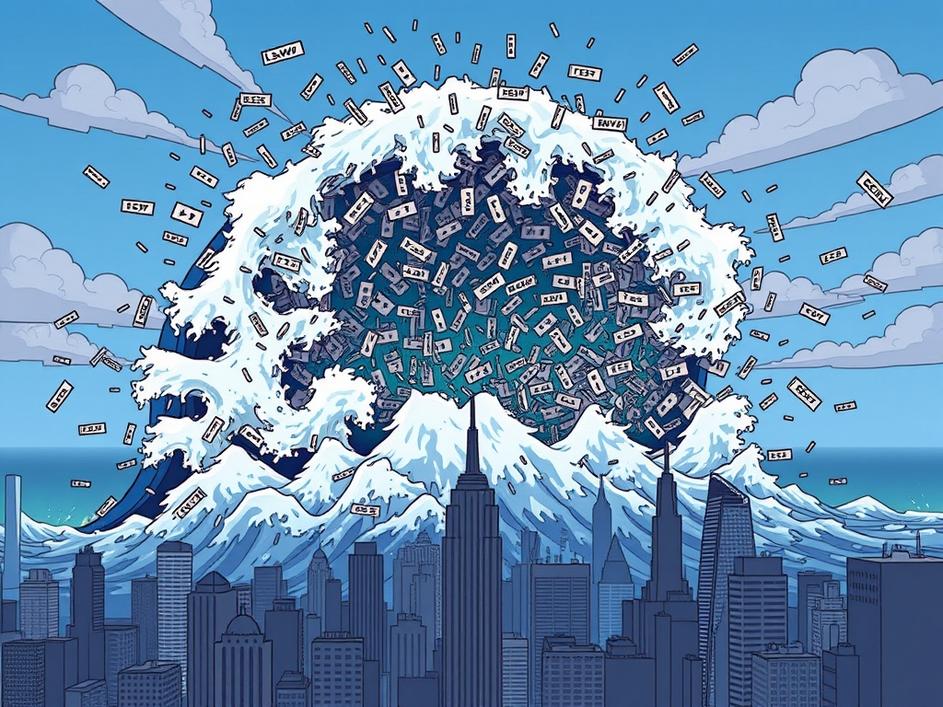
ToggleIt seems like barely a week goes by without news of another massive data breach. This time, security researcher Jeremiah Fowler discovered a publicly accessible database containing a staggering 149 million usernames and passwords. That’s not just a leak; it’s a flood. And the implications for ordinary internet users are, frankly, terrifying. This incident serves as a stark reminder that our digital lives are constantly under threat, and complacency is simply not an option.
So, what exactly was in this exposed database? We’re talking about 149 million sets of login credentials – usernames and their corresponding passwords. While the exact sources of these credentials are still being investigated, the sheer volume suggests they were compiled from numerous previous breaches and leaks. Think of it as a massive collection of stolen keys, just waiting to be used to unlock your personal accounts. The report didn’t specify what types of accounts were affected, but given the scale, it’s safe to assume that everything from email accounts and social media profiles to online banking and e-commerce sites could be at risk.
The problem with password leaks like this isn’t just that your password for one specific site is compromised. It’s the fact that many people reuse the same password across multiple accounts. If a hacker gets their hands on your password from one breached database, they’re likely going to try that same password on your email, your bank, your social media, and everything else you use online. This is called “credential stuffing,” and it’s a highly effective way for attackers to gain access to a wide range of accounts with minimal effort. The exposure of 149 million credentials significantly increases the chances that your accounts will be compromised, leading to identity theft, financial loss, and a whole host of other problems.
Technical security measures are important, but the truth is that human behavior often represents the weakest link in the chain. We choose weak passwords that are easy to guess, we reuse the same passwords across multiple sites, and we fall for phishing scams that trick us into handing over our credentials. Even if you think you’re being careful, there’s a good chance you’re making mistakes that could put your accounts at risk. A strong password should be long (at least 12 characters), complex (using a mix of upper and lowercase letters, numbers, and symbols), and unique to each site. And never, ever share your password with anyone or enter it on a website you don’t trust.
So, what can you do to protect yourself in the wake of this massive password leak? First and foremost, change your passwords – especially if you’re using the same password on multiple sites. Choose strong, unique passwords for each of your important accounts. Consider using a password manager to generate and store your passwords securely. These tools can create strong, random passwords for each of your accounts and store them in an encrypted vault, so you don’t have to remember them all.
Another crucial step is to enable two-factor authentication (2FA) on all of your accounts that support it. 2FA adds an extra layer of security by requiring you to enter a code from your phone or another device, in addition to your password. This makes it much harder for hackers to access your accounts, even if they have your password. Also, be wary of phishing emails and other scams that try to trick you into giving up your credentials. Always double-check the sender’s address and the website URL before entering any personal information. If something seems suspicious, err on the side of caution and don’t click on any links or attachments. Finally, stay informed about the latest data breaches and security threats. Follow security news sites and blogs, and sign up for breach notification services that will alert you if your email address or other personal information has been compromised.
While individual actions are essential, it’s important to recognize that password security is also a systemic problem. Many websites and online services still don’t enforce strong password policies or offer adequate security measures. This puts users at risk, even if they’re doing everything right. Ultimately, stronger regulations and industry standards are needed to protect consumers’ data and prevent future breaches. Companies need to take responsibility for securing their users’ data and implementing robust security measures. This includes investing in better security technologies, conducting regular security audits, and promptly notifying users when a breach occurs. Furthermore, law enforcement agencies need to crack down on cybercriminals who steal and sell stolen credentials. By working together, individuals, companies, and governments can create a safer and more secure online environment for everyone.
The future of authentication may lie in passwordless technologies. Biometric authentication, such as fingerprint scanning and facial recognition, offers a more secure and convenient alternative to traditional passwords. Other passwordless methods, such as passkeys, are also gaining popularity. Passkeys use cryptographic keys stored on your devices to authenticate you to websites and apps, eliminating the need for passwords altogether. While passwordless authentication is still in its early stages, it has the potential to revolutionize online security and make data breaches like this one a thing of the past. In the meantime, however, we need to remain vigilant and take proactive steps to protect our accounts and personal information.
This latest password leak is a stark reminder that our online security is only as strong as our weakest link. By taking simple steps to protect our passwords and enable two-factor authentication, we can significantly reduce our risk of becoming victims of cybercrime. It’s time to take password security seriously. Your digital life depends on it. The exposure of 149 million credentials should serve as a wake-up call for everyone. Don’t wait until you’re a victim to take action. Change your passwords now and stay safe online.



Comments are closed