

We are a digital agency helping businesses develop immersive, engaging, and user-focused web, app, and software solutions.
2310 Mira Vista Ave
Montrose, CA 91020

2500+ reviews based on client feedback
What's Included?
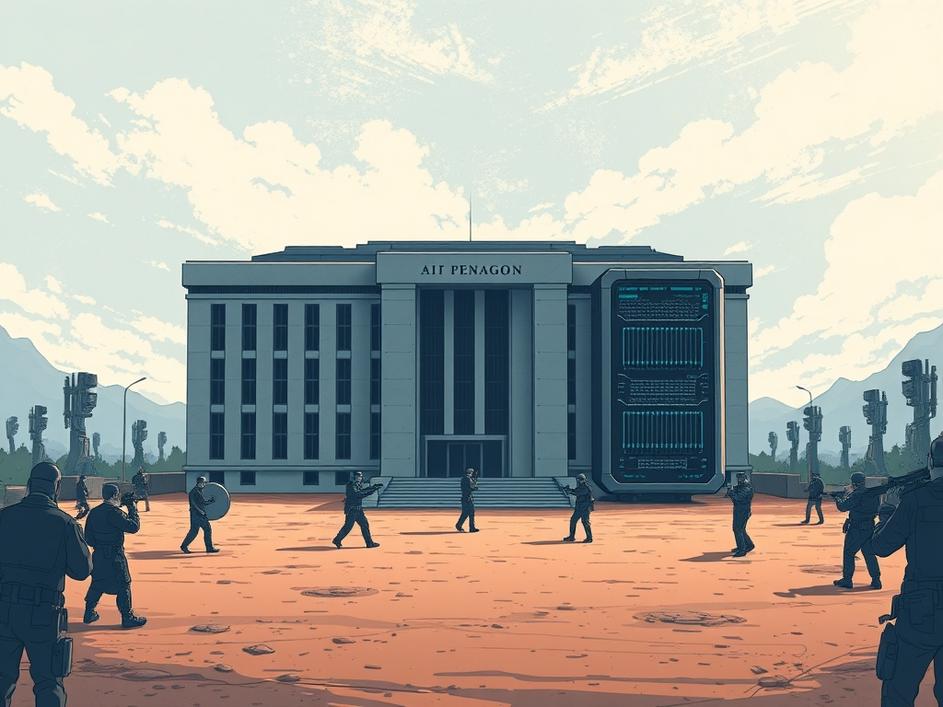
ToggleThe Pentagon has reportedly set a deadline for Anthropic, a leading artificial intelligence company, amid growing concerns about cybersecurity. According to recent reports, Defense Secretary Austin has issued a warning, placing pressure on the AI firm to meet specific security requirements. This situation underscores the increasing tension between rapid technological advancement and the critical need for robust security measures, particularly within the defense sector. The government wants to secure the data.
Anthropic, known for its work in developing advanced AI models, finds itself at the center of this high-stakes standoff. The specific details of the security requirements remain somewhat unclear, but the core issue revolves around ensuring that Anthropic’s AI systems are secure and resilient against potential cyberattacks and vulnerabilities. The Department of Defense relies on AI more and more. Anthropic and other AI companies can help them, but not if they’re not secure. It’s not necessarily about any specific failing on Anthropic’s part but rather about proactive measures to safeguard sensitive information and maintain operational integrity.
The urgency of this situation highlights a broader trend: the growing importance of cybersecurity in the age of AI. As AI systems become more integrated into critical infrastructure and defense operations, the potential consequences of a successful cyberattack become far more severe. Imagine if a hostile actor gained control of AI-powered defense systems. The implications are terrifying. Therefore, the Pentagon’s actions reflect a necessary and responsible approach to mitigating these risks. It sets a precedent for future collaborations between the government and AI developers.
The stakes in this standoff are incredibly high, not just for Anthropic but for the entire AI industry. If Anthropic fails to meet the Pentagon’s deadline, it could face significant repercussions, potentially losing valuable contracts and damaging its reputation. More broadly, it could create a chilling effect, making other AI companies hesitant to work with the government. This would obviously hurt the defense sector. On the other hand, if Anthropic successfully addresses the Pentagon’s concerns, it could solidify its position as a trusted partner and set a new standard for security in the AI industry.
The situation with Anthropic illustrates the delicate balancing act between fostering innovation and ensuring security. On one hand, the Pentagon wants to harness the power of AI to enhance its capabilities. On the other hand, it cannot afford to compromise security. This is a challenge that many organizations and governments will face as AI becomes more prevalent. Finding the right balance will be essential to maximizing the benefits of AI while minimizing the risks. The balance will require open communication, collaboration, and a willingness to adapt to evolving threats.
This incident serves as a crucial inflection point in the relationship between AI developers and the defense sector. It sets a precedent for how the government will approach cybersecurity in the context of AI. We can expect to see increased scrutiny of AI systems used in defense applications. We can also anticipate the development of new security standards and protocols. This event may even prompt the creation of dedicated government agencies or departments focused on AI cybersecurity. The future will depend on a collaborative approach.
Moving forward, collaboration and transparency will be key to navigating the complex challenges of AI cybersecurity. AI developers, government agencies, and cybersecurity experts must work together to identify potential vulnerabilities and develop effective mitigation strategies. Open communication and information sharing are essential to fostering trust and ensuring that AI systems are secure and reliable. This is not just a technical challenge but also a social and ethical one. The future of AI depends on our ability to address these concerns effectively.
The Pentagon’s deadline for Anthropic is more than just a news story. It is a call to action. It is a reminder that cybersecurity must be a top priority in the age of AI. It is an invitation to all stakeholders to work together to ensure that AI is used responsibly and securely. The future of our security and our society depends on it. The challenge is daunting, but the potential rewards are enormous. Only by embracing a proactive and collaborative approach can we hope to harness the full potential of AI while mitigating the risks.


Comments are closed