

We are a digital agency helping businesses develop immersive, engaging, and user-focused web, app, and software solutions.
2310 Mira Vista Ave
Montrose, CA 91020

2500+ reviews based on client feedback
What's Included?
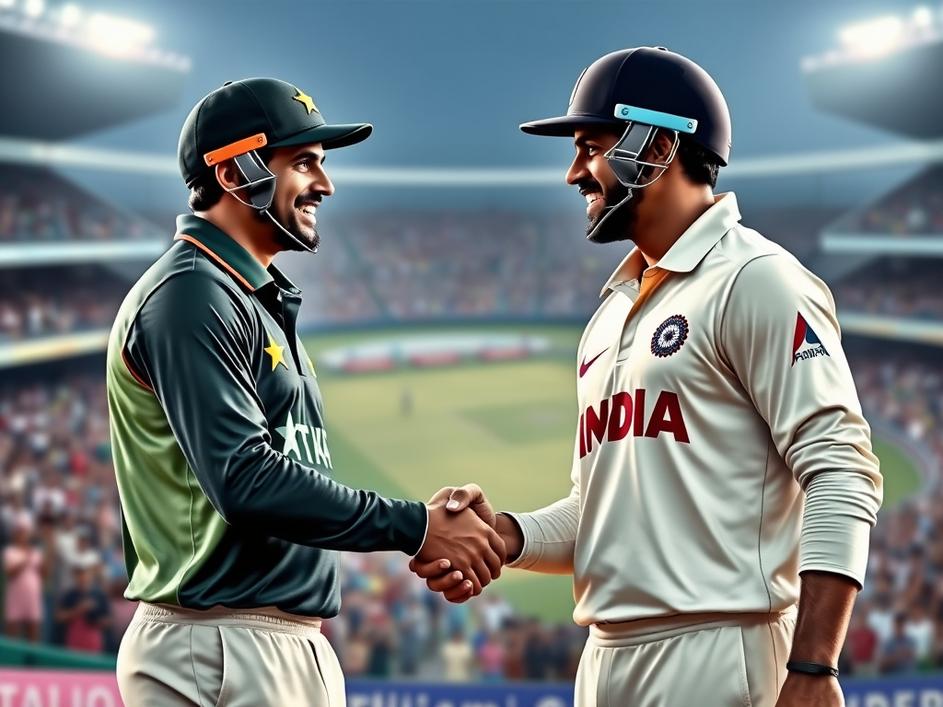
ToggleWe live in an age where seeing isn’t always believing. A recent incident involving a fabricated image of the Pakistan cricket captain supposedly snubbing a handshake from his Indian counterpart serves as a stark reminder of this reality. The image, which quickly spread across social media, ignited a firestorm of debate and controversy, highlighting the ever-present tensions between the two nations, even on the cricket field. But here’s the kicker: it was all fake. Generated by artificial intelligence, the image never actually happened, and it threatened to damage relations between the teams and their fans.
The fabricated image appeared to show the Pakistani captain deliberately ignoring the outstretched hand of the Indian skipper after a match. Given the intense rivalry between India and Pakistan in cricket, the image predictably went viral. Fans on both sides expressed outrage and disappointment, with many using it as evidence of ongoing animosity. News outlets picked up the story, further amplifying its reach. However, it wasn’t long before eagle-eyed observers began to question the image’s authenticity. Subtle inconsistencies in the players’ uniforms and the background suggested that something was amiss. Eventually, fact-checkers confirmed that the image was indeed AI-generated, a digital fabrication designed to deceive.
This incident is just one example of how AI can be used to create and spread misinformation. With the rapid advancements in AI technology, it’s becoming increasingly difficult to distinguish between what’s real and what’s fake. AI-generated images, videos, and audio can be incredibly convincing, and they can be used to manipulate public opinion, spread propaganda, and even incite violence. The fact that this image targeted a sensitive topic – the relationship between India and Pakistan – underscores the potential for AI to exacerbate existing tensions and create new conflicts.
The consequences of this AI-generated image could have been significant. It could have damaged the already fragile relationship between the Indian and Pakistani cricket teams, leading to increased animosity on and off the field. It could have fueled further division among fans, potentially leading to real-world violence or harassment. And it could have eroded trust in the media and other institutions, making it even harder to discern the truth in an increasingly complex world. The quick debunking of the image prevented major damage, but the potential for harm remains a serious concern.
Cricket matches between India and Pakistan are always high-stakes affairs, filled with passion, drama, and sometimes, unfortunately, controversy. The fabricated handshake incident is a reminder that even seemingly harmless images can have a significant impact, especially when they tap into existing sensitivities and rivalries. It underscores the need for increased vigilance when consuming information online, especially content that seems designed to provoke a strong emotional response. We need to be more critical of the images and videos we see, asking ourselves whether they are truly what they appear to be. Fact-checking websites and tools can be helpful in verifying the authenticity of content, but ultimately, it’s up to each of us to be responsible consumers of information.
So, what does the future hold? As AI technology continues to evolve, it’s likely that we’ll see even more sophisticated forms of misinformation. Deepfakes, for example, are becoming increasingly realistic, making it harder to tell the difference between real and fake videos. This poses a significant challenge for journalists, fact-checkers, and the public at large. We need to develop new tools and strategies for detecting and combating misinformation, including AI-powered tools that can identify and flag potentially fabricated content. We also need to educate people about the dangers of misinformation and how to spot it. Media literacy should be a core skill taught in schools and universities, empowering individuals to think critically about the information they consume.
The spread of misinformation is not just a technological problem; it’s a societal one. It requires a collaborative effort from governments, tech companies, media organizations, and individuals. Governments need to develop regulations that hold those who create and spread misinformation accountable. Tech companies need to invest in tools and technologies that can detect and remove fake content from their platforms. Media organizations need to prioritize accuracy and fact-checking in their reporting. And individuals need to be more critical consumers of information, questioning what they see and hear and verifying information before sharing it with others.
The AI-generated image of the Pakistani cricket captain is a wake-up call. It’s a reminder that we can’t take anything for granted in the digital age. We need to be skeptical, critical, and informed. We need to develop the skills and tools necessary to navigate the complex information landscape and distinguish between fact and fiction. Only then can we protect ourselves from the harmful effects of misinformation and ensure that the truth prevails.
Comments are closed