

We are a digital agency helping businesses develop immersive, engaging, and user-focused web, app, and software solutions.
2310 Mira Vista Ave
Montrose, CA 91020

2500+ reviews based on client feedback
What's Included?
ToggleIt’s incredible to think about how far artificial intelligence has come. We see programs writing, creating art, and even talking to us like real people. But behind all that digital magic is something very physical: an immense appetite for electricity. Running these advanced AI models, especially the truly massive ones, isn’t just about fast code; it’s about mountains of hardware working overtime, sucking up power like nothing we’ve seen before. And as AI gets even smarter and more complex, that energy hunger is only going to grow.
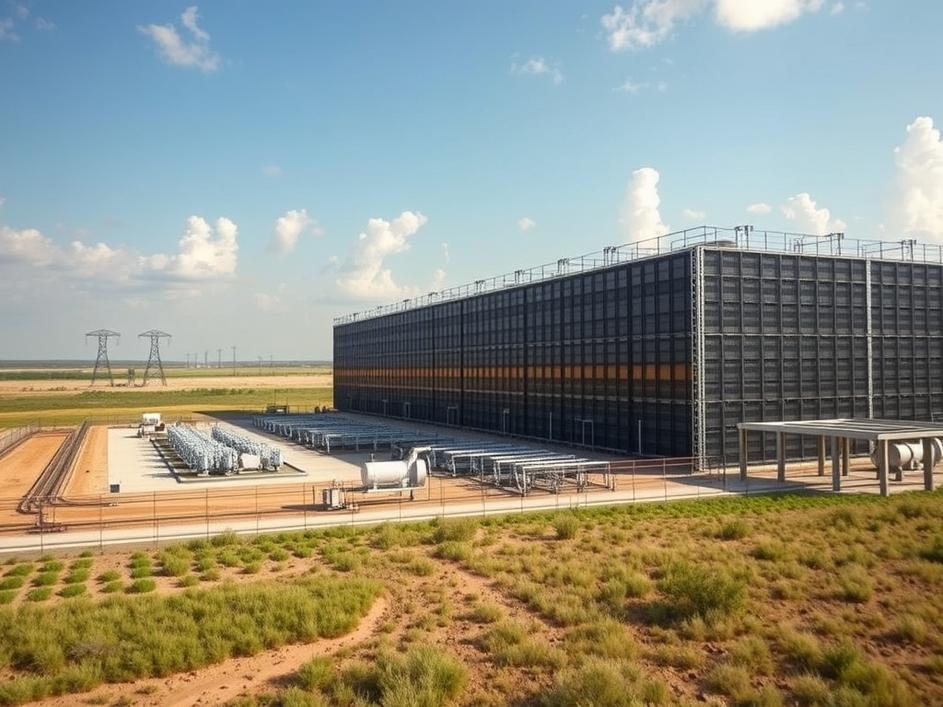
So, when you hear about OpenAI, the company behind ChatGPT, planning a huge new data center in Texas – a project they’re calling ‘Stargate’ and working on with Oracle and Vantage Data Centers – you might wonder how they’re going to keep the lights on. Well, they’ve got a very direct answer: they’re building their own power plant right there on site. This isn’t just a backup generator; it’s going to be a natural gas-powered microgrid, providing the main juice for this giant computing hub in Shackelford County. It’s a clear signal that for AI projects of this scale, relying solely on the existing public grid just isn’t cutting it anymore.
Think about it: a data center isn’t just one big computer. It’s thousands, sometimes hundreds of thousands, of servers all running at once, all day, every day. That takes megawatts of power – often as much as a small town or even a medium-sized city. Our current electrical grids, in many places, weren’t designed with this kind of sudden, massive, and constant demand in mind. They’re built for fluctuations, for homes and businesses. AI data centers represent a whole new beast. Building an on-site power source, like OpenAI is doing, gives them direct control over their energy supply. It ensures reliability and consistency, which are absolutely critical when you’re training models that might take weeks or months to complete, where any interruption could mean massive losses in time and money.
Now, here’s where things get interesting and a bit complicated. Natural gas is often seen as a ‘bridge fuel.’ It’s cleaner than coal, meaning it produces fewer greenhouse gas emissions when burned. But it’s still a fossil fuel, and it still contributes to climate change. On one hand, we have this massive push globally for renewable energy – solar, wind, hydro – to combat environmental concerns. On the other hand, we have the immediate, insatiable power demands of cutting-edge AI development. OpenAI’s choice to go with natural gas for their primary power source highlights this tough trade-off. It seems to be a pragmatic decision rooted in the need for reliable, abundant power *right now*, even if it doesn’t fully align with the long-term goal of a completely green energy future. It shows that for some of the biggest tech players, getting the power they need to innovate is the top priority, and sometimes that means making compromises on the energy source.
This move by OpenAI isn’t just about one data center; it could be a sign of things to come. As AI continues its rapid growth, we might see more tech companies taking power generation into their own hands. This could mean more on-site microgrids, and potentially new and creative partnerships with energy providers. It also raises big questions: Will future data centers explore other dedicated power sources, like small modular nuclear reactors or advanced geothermal systems? Will governments and energy companies need to fast-track grid upgrades and renewable energy projects specifically to keep up with AI’s hunger? The journey to truly sustainable AI is a long one, and this Texas project shows us just how challenging it is to find the right balance between rapid innovation and environmental responsibility. It’s not a simple problem, and there are no easy answers, but decisions like this are shaping the energy landscape of our future.
In the end, AI’s future isn’t just about smarter algorithms or bigger data sets; it’s fundamentally about energy. OpenAI’s ambitious plan in Texas with its own natural gas plant makes it clear that powerful AI needs powerful solutions to keep it running. This isn’t just a technical detail; it’s a huge strategic decision that impacts our energy infrastructure, our environmental goals, and the very pace of technological advancement. As we marvel at what AI can do, we also need to keep a close eye on where its energy is coming from, because that’s a story that’s only just beginning to unfold.



Comments are closed