The Rise of Urban Green Spaces
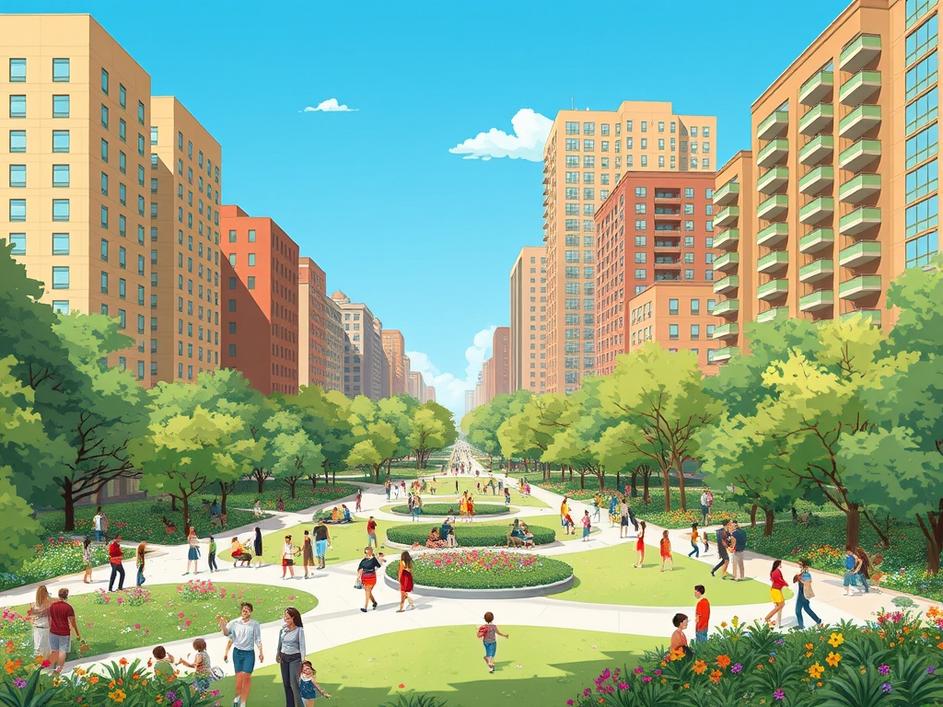
In recent years, cities have started to embrace the idea of green spaces like never before. Community parks, rooftop gardens, and even small patches of greenery along sidewalks have sprouted up, transforming concrete jungles into more livable environments. This trend comes as a response to the growing awareness of mental health issues, climate change, and urban sustainability. It’s clear that integrating nature into our daily lives can offer more than just aesthetic benefits.
The Connection Between Nature and Mental Health
Studies indicate that spending time in green spaces can significantly boost our mental well-being. Nature provides a sense of calm in our often fast-paced urban lives. It’s not just about enjoying a pretty view; being around plants and trees can reduce stress and anxiety. For many, a simple walk in the park can be the respite they need from a tough day. Taking the time to appreciate our natural surroundings can lead to improved mood and overall mental health.
Environmental Benefits of Green Spaces
Urban greenery isn’t just good for us; it also benefits the environment. These spaces help reduce pollution, improve air quality, and even combat the urban heat island effect. Trees absorb carbon dioxide and release oxygen, making our air cleaner and healthier to breathe. They also provide habitats for various wildlife, adding to biodiversity. When cities prioritize this aspect of urban planning, they’re not just creating livelier neighborhoods; they’re also doing their part in the fight against climate change.
Community Engagement Through Greenery
Green spaces often serve as communal hubs, bringing people together from different backgrounds. They host events, picnics, and activities that foster community bonds. When people share these spaces, they create a sense of belonging. This is especially important in larger cities where individuals might feel isolated. Parks become more than just areas of grass and trees; they evolve into essential spots for social interaction and cultural exchange.
Challenges and Future Prospects
Despite the advantages, developing and maintaining urban green space comes with challenges. Limited budgets, land availability, and varying community needs can complicate the planning process. However, this shouldn’t deter municipalities from investing in green spaces. The long-term benefits—both environmentally and socially—far outweigh the initial hurdles. As cities continue to grow, there’s a pressing need to incorporate nature into the urban landscape. Innovative solutions like vertical gardens and green roofs could pave the way for future projects.






Comments are closed