A simple rule, a big ripple
The city passed a small rule about AI tools in schools. It means any classroom software must be checked first. The checks look at privacy, accuracy, and safety. This is not a big tech takeover. It is careful guidance. Parents heard about it at a meeting. They saw letters at home. Teachers welcomed the guard rails. People know this affects daily life: screens, data, who can see it. The policy is not perfect. But it is practical. It shows a city trying to stay in control in a crowded digital world. No one wins with chaos. This rule tries to keep things calm.
Shifts for families and classrooms
The rules push decisions away from one app store and toward a shared process. Schools must note what tool is used, why it is needed, and what data it will collect. Parents get clear notices about data rights and options to opt out. In practice, this means more paperwork and more talks at home. Still, many families like the clarity. No one wants a mystery tool in a kid’s hand. The moment feels small, but it changes planning. It nudges developers to be honest about what their tools do. When a tool must pass a check, it earns trust from the start.
Costs and practical limits
Every policy has a price. Training takes time and money. Audits need staff who can read data rules. Some schools fear they will fall behind. Budgets are tight. Slow checks can delay new tools. Yet keeping kid data safe matters. The policy forces creators to publish clear terms, even if it slows things down. The balance is the point. If we want tech in classrooms, we must accept some friction. It lowers risk while letting good ideas grow.
Trust built by transparency
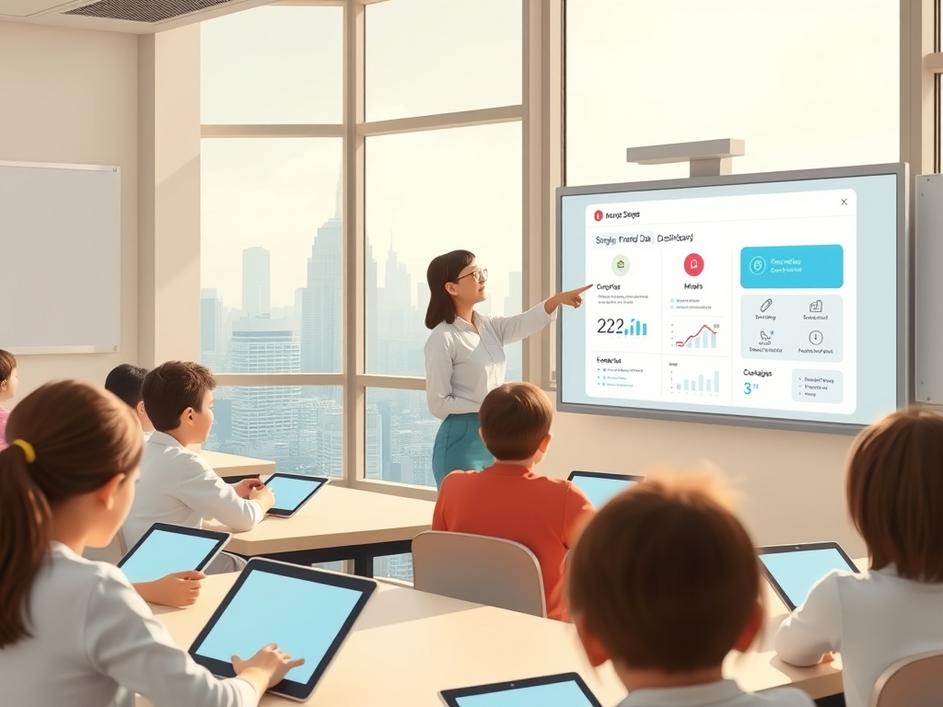
Trust does not come from one rule. It grows from open doors. Families want to see what happens with data. Dashboards help. They show tools in use, data saved, and who sees it. But transparency needs plain language. People will not read legal text to feel safe. Schools that mix policy with talk and listening do better. Community nights, vendor talks, and easy opt-outs help. The policy is stronger when the culture is open. If staff and students feel heard, the rule feels fair. It keeps the tech useful, not scary. Open chats stay simple. People feel seen.
A human touch in a digital era
Tech should serve people, not the other way around. The policy reminds us of this. In class, good AI should save time for teachers. It should help students who learn differently. It should not replace real talk, honest questions, or the art of explaining hard ideas. The news here is about data, but it hints at a shift in teaching. If adults slow down to ask about tools, kids will learn to ask too. That questioning is healthy. It can lead to better design, kinder apps, and tools that help real learning. Not just more clicks.
What comes next
The road ahead is not clear. The city will try the policy in several schools. It will make tweaks. There will be stories of small wins and few snags. What matters is to stay human and practical. If we keep safety and curiosity in balance, tech stays useful. The goal is not to stall progress. It is to guide it. Watch for surprises. Some tools may feel too slow. Some teachers may feel extra work. The big question is this: do students feel safer and more supported? If yes, the policy wins. If not, we adjust again.





Comments are closed