

We are a digital agency helping businesses develop immersive, engaging, and user-focused web, app, and software solutions.
2310 Mira Vista Ave
Montrose, CA 91020

2500+ reviews based on client feedback
What's Included?
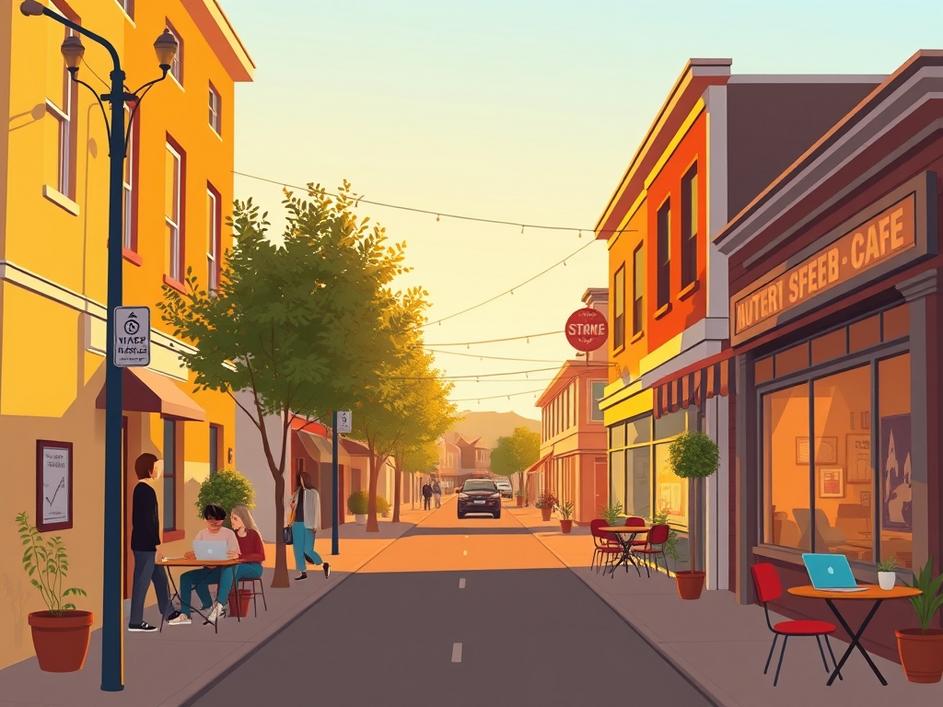
ToggleNews tends to chase loud stories. But a softer change is happening all over. People in towns big and small are reshaping daily life around work that travels with them. Remote jobs, flexible hours, and small shops that stay open matter more than you think. It isn’t about hype. It’s about habits that fit real life. The big talks may hype new tech or flashy deals. The real work sits in the kitchen tables, the corner stores, and the clinics that keep people well. This post looks at the steady shift and why it matters for everyone, not just those who live in cities or read the headlines daily. When you walk down a street at sunset, you see more people choosing pace over pressure. Kids do their homework while a parent handles a call. A neighbor may start a side project that fits around shift work. This is not a trend. It reshapes how towns draw talent and how families decide where to stay.
The movement is not a flood. It’s a creek that finds new paths. People move to towns that offer affordable homes, good schools, and a sense of safety. They work from spare rooms, cafe tables, or shared offices. The result is a kinder mix of life and labor. Local shops see more customers in late mornings. Parks feel busier on weekdays. Libraries host pop-up classes for kids and adults. Small towns start to feel linked to cities, but with closer ties. The change is enough to keep schools open and routes to care reliable. Yet it doesn’t erase distance. It simply shifts it to the kind of time you have each day. That balance matters more than headline numbers showing growth rates. People find a pace that lets them stay near family while they do the work they trained for.
Not all parts of town win. The same shift can widen gaps. Fast internet is not a given in every street. A good connection makes work from home possible. Without it, people fall behind or move away. Housing, though, becomes an asset that leaves marks on families. Rents rise, and some arrive with debt or stress. Small towns rely on well-kept roads, steady power, and safe health care. When those basics wobble, the quiet gains fade fast. Employers learn to balance online needs with local handoffs. Public officials face tough calls about funding and priorities. The stakes are real, and the trade-offs are not glamorous. They are about keeping essential services steady for the people who live there every day.
Where there is demand, people find a way. Co-working spaces pop up in old storefronts. Local builders fix up houses and create new spaces for work and life. Small farms pair with cafes to offer fresh food and a place to meet neighbors. Telehealth and online learning reach people who never had easy access before. Towns form partnerships with regional colleges and tech groups. The goal is simple: make it easier to work where you live without losing the benefits of cities. These moves are modest but real. They slow down the drift that makes towns hollow and make the last mile a little bit friendlier. It’s not a miracle, just steady, practical progress that adds up over time.
I’m not chasing a single magic fix. I’m watching how people adjust to a world that asks for flexibility. That patience matters. It gives power to households and small businesses alike. It also requires care from leaders who decide how to invest. If we want places to stay vibrant, we need to back solid internet, good schools, and reliable services. We need to listen to people who live there and not just the loud voices from afar. The news might fix its gaze on big events, but real change grows in the spaces between. The pace is slow, but the direction is hopeful. In the end, this shift is about more than work. It’s about community, belonging, and choosing a life that fits real days, not just headlines.


Comments are closed