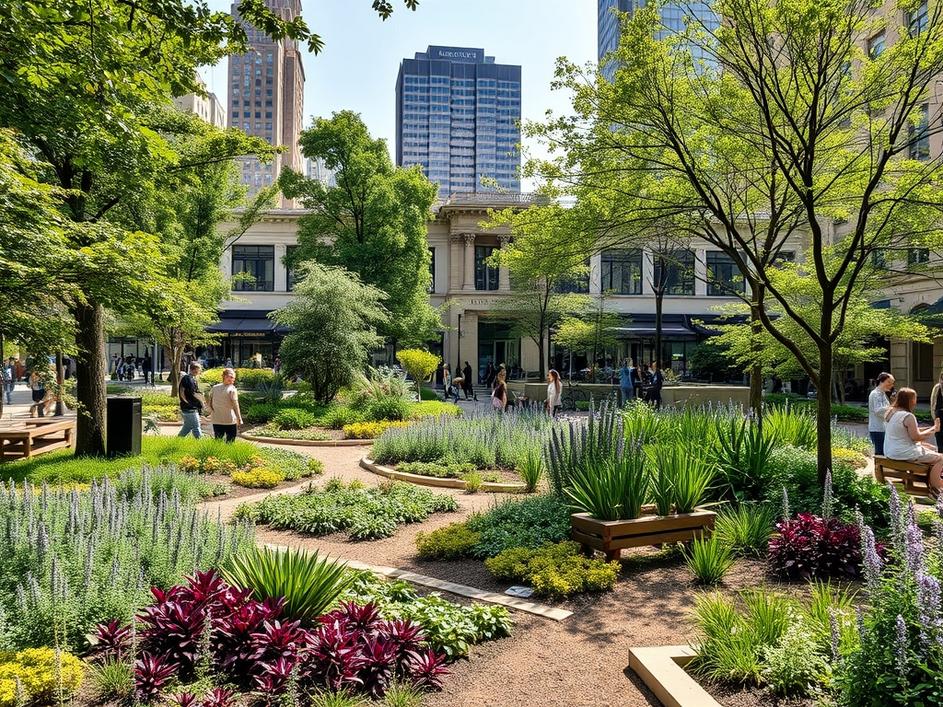
In recent years, urban development has seen a significant shift towards integrating nature into city landscapes. Once overshadowed by concrete and steel, green spaces are making a comeback, quite literally reshaping our environment. This isn’t just a trend; it’s a response to the growing awareness of climate change and our need for sustainability. People are actively seeking a connection to nature, and urban planners are listening.
The Green Initiative Movement
Many cities across the globe are launching initiatives aimed at creating more parks and gardens. The goal is to increase biodiversity and improve air quality. These efforts often focus on turning vacant lots into community gardens or developing green roofs on buildings. According to recent studies, urban green spaces can reduce heat, absorb rainwater, and even enhance mental health. The link between greenery and overall well-being is clear — people who live near parks report higher levels of happiness and lower levels of stress.
Benefits Beyond Beauty
Planting trees and creating parks isn’t just about improving aesthetics; it has direct benefits for city dwellers. Urban heat islands, areas where temperatures are significantly higher due to human activity, can be alleviated with more vegetation. Trees provide shade, which cools the air, and their transpiration process helps maintain lower temperatures. Furthermore, these green areas allow for better stormwater management, reducing flooding during heavy rains. It becomes a win-win situation — beautifying the city while addressing environmental concerns.
Community Engagement and Education
Another important aspect of this movement is community involvement. Many cities are encouraging locals to take part in creating and maintaining green spaces. Programs are popping up that educate residents about gardening, sustainability, and the importance of biodiversity. This hands-on approach fosters a sense of ownership and responsibility, making people more invested in their urban environment. It’s heartening to see neighbors working together, building relationships while cultivating plants.
Challenges and Limitations
Despite the numerous benefits, creating green spaces in urban areas isn’t without challenges. There are often financial constraints, especially in economically disadvantaged neighborhoods. Land use policies can also present obstacles, as areas designated for development may not prioritize parks or gardens. Even when green spaces are created, they need proper maintenance to be effective, which can require additional funding and resources. However, as more cities witness the positive impact of these initiatives, it’s likely that solutions will emerge.
The Future of Urban Living
As we look forward, the trend of integrating nature into urban landscapes appears to be on a promising upward trajectory. The fight against climate change is urgent, and the solutions often start at home — in our neighborhoods. By fostering green living spaces, cities can not only improve the quality of life for current residents but also set a precedent for future generations to follow. A greener urban future could well be the key to healthier, happier communities.





Comments are closed