A Day of Disruption
On a seemingly ordinary Monday, an unexpected cloud of chaos rolled in, leaving many digital services grounded. Amazon Web Services (AWS), the backbone of countless online platforms, experienced a major outage that rattled services across the globe. From social media giants to gaming networks, the disruption was felt far and wide. Users faced delays in their favorite apps, businesses struggled with order processing, and many turned to social media to express their frustrations. It’s a stark reminder of just how reliant we’ve become on cloud computing.
The Scope and Impact of the Outage
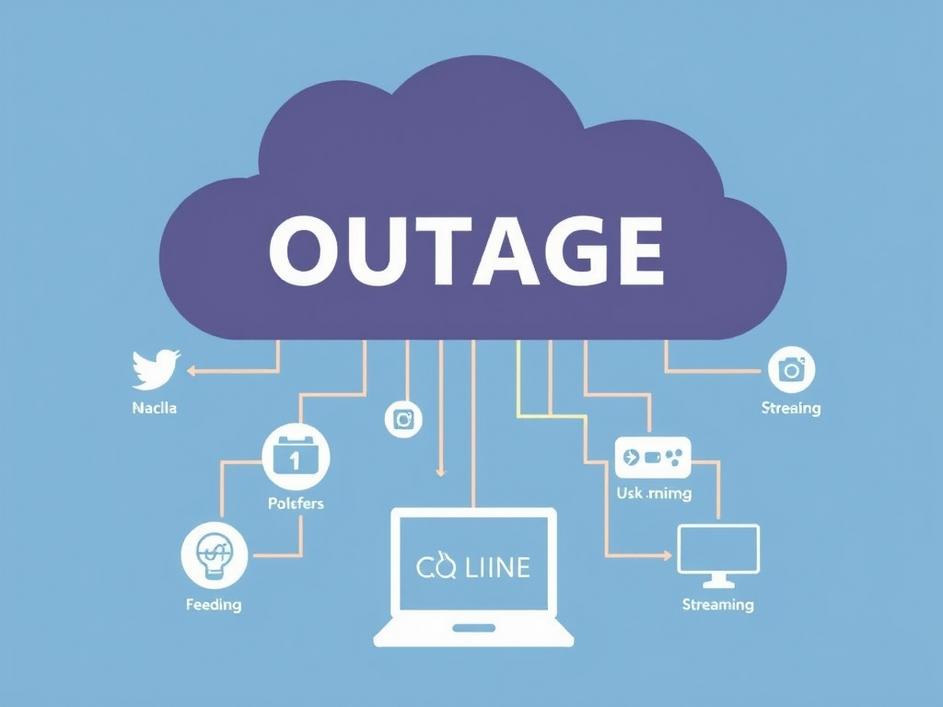
The AWS outage lasted several hours, leaving behind a trail of affected services and businesses. Popular platforms, including social media applications and streaming services, were practically paralyzed during this time. Even food delivery apps and financial services faced hiccups. For many, this event highlighted a vulnerability that few had considered before: the fragility of our digital infrastructures. While many services have fallback systems, the reliance on a single provider showed how interconnected everything is in the digital age.
User Reactions and Social Media Buzz
In a world where social media is king, the outage sparked a flurry of reactions online. Tweets, memes, and posts flooded platforms like Twitter and Instagram, as users shared their experiences and joked about the downtime. Some expressed genuine concern about the implications of such a widespread outage. This situation has turned into a conversation about our increasing reliance on digital platforms. It begs the question: what happens when they fail? The impact of such outages isn’t just about inconvenience; it can also affect reputations, finances, and customer trust.
Analyzing the Bigger Picture
While AWS is just one player in the vast cloud computing arena, the outage serves as a critical wake-up call. It raises essential questions about redundancy, risk management, and the need for diversification when it comes to technology providers. Many companies now must consider developing contingency plans that do not solely depend on one provider. For smaller businesses, the repercussions might mean rethinking their tech strategies or investing in backup solutions. This is an opportunity for the tech industry to reassess their infrastructures and improve their resilience to such outages.
A Future of Reliability
As the dust settles from this recent disruption, the lessons learned are vital. Future cloud providers may face pressure to enhance their services and invest in more robust systems. Additionally, as consumers, we should remain aware of the implications of tech dependency. Investing in better service agreements and diversified solutions will not only prepare businesses for unforeseen outages but also foster a sense of confidence in the technology that we incorporate into our daily lives. Moreover, regulatory scrutiny around such outages could increase, prompting a demand for higher standards within the industry.
Conclusion: Navigating the Cloudy Future
The Amazon cloud outage serves as a significant reminder of the intricate web of services we rely on daily. The event highlighted how interconnected our digital lives are and how a single disruption can cause widespread chaos. As we move forward, it’s essential to stay adaptable and proactive in our approach to technology, ensuring we have the support systems in place to weather unexpected storms. Embracing diversity in our digital dependencies could be the key to enhancing stability and resilience in the face of outages.






Comments are closed