

We are a digital agency helping businesses develop immersive, engaging, and user-focused web, app, and software solutions.
2310 Mira Vista Ave
Montrose, CA 91020

2500+ reviews based on client feedback
What's Included?
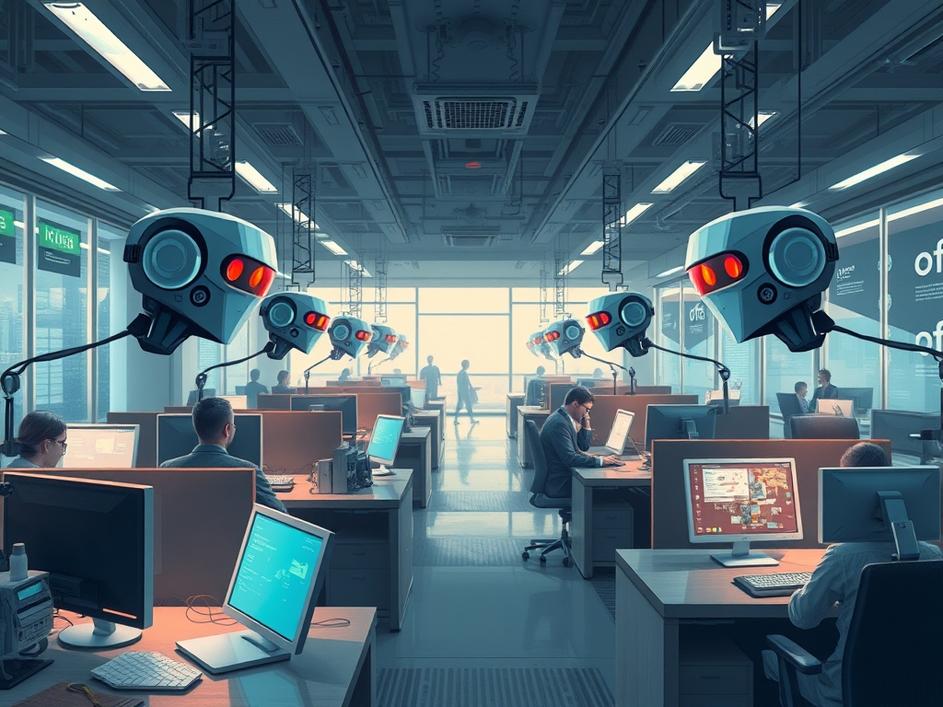
ToggleImagine starting your workday only to discover that an AI has already flagged your team’s missed deadlines and lack of follow-up actions to your boss. This isn’t a scene from a dystopian movie; it’s the reality for some businesses embracing AI-powered workplace monitoring. These systems, designed to improve efficiency and productivity, are also raising serious questions about employee privacy and morale. Is this the future of work, where every action is scrutinized and reported, or are we heading toward a workplace where trust and autonomy are replaced by algorithmic oversight?
These AI coworkers operate by analyzing vast amounts of data generated through workplace communication channels like Slack, email, and project management software. They identify patterns, track progress, and, crucially, flag deviations from expected behavior. For example, if a sales team fails to follow up on leads within a specified timeframe, the AI can automatically notify management. The promise is increased efficiency, better adherence to company policies, and data-driven decision-making. But at what cost?
The most obvious concern is privacy. Employees may feel uncomfortable knowing that their every digital interaction is being monitored and analyzed. This can lead to a chilling effect on communication, where people are less likely to share ideas, voice concerns, or engage in informal discussions for fear of being judged or penalized. The line between legitimate performance monitoring and intrusive surveillance becomes blurred, creating a climate of distrust and anxiety. Is it acceptable for an AI to read your private messages to ensure you are following company guidelines? Where does it end?
Beyond privacy, the constant monitoring can negatively impact employee morale and job satisfaction. Feeling like you’re always being watched can lead to stress, burnout, and a decrease in creativity and innovation. Employees may feel less valued and more like cogs in a machine, leading to resentment and decreased loyalty. Companies need to consider the human cost of these technologies and ensure that they are implemented in a way that respects employee autonomy and fosters a positive work environment. After all, a happy and engaged workforce is often a more productive one.
Another critical issue is the potential for bias in AI algorithms. These systems are trained on data, and if that data reflects existing biases, the AI will perpetuate and even amplify those biases. For example, if the AI is trained on data that overvalues certain communication styles or personality traits, it may unfairly penalize employees who don’t fit that mold. This can lead to discrimination and a lack of diversity in the workplace. It’s crucial to ensure that AI systems are transparent, accountable, and regularly audited to mitigate bias.
While the promise of increased productivity is a major selling point for AI monitoring systems, it’s not always clear that these systems deliver on that promise. Over-reliance on data and metrics can lead to a narrow focus on easily measurable tasks, while neglecting more complex and creative aspects of work. Employees may become overly focused on pleasing the AI, rather than on solving problems and innovating. And, the constant pressure to perform can lead to burnout, which ultimately decreases productivity. There needs to be a balance between using data to inform decisions and trusting employees to do their jobs effectively.
The integration of AI into the workplace is inevitable, but it’s essential to approach this technology with caution and a focus on ethical considerations. Transparency is key. Employees should be informed about how AI is being used, what data is being collected, and how that data is being used to evaluate performance. Companies should also provide opportunities for employees to provide feedback and challenge the AI’s findings. Building trust and fostering a culture of open communication is crucial for mitigating the negative impacts of AI monitoring. It’s about using AI to augment human capabilities, not to replace human judgment and empathy.
Ultimately, the success of AI in the workplace depends on how it’s implemented. If used as a tool for control and surveillance, it will likely lead to resentment, decreased morale, and ultimately, lower productivity. However, if used as a tool for collaboration, communication, and support, it can enhance human capabilities and create a more efficient and fulfilling work environment. The key is to prioritize human values and ensure that AI is used to empower employees, not to control them. The future of work should be about collaboration between humans and machines, not about algorithmic overlords and digital snitches.


Comments are closed