

We are a digital agency helping businesses develop immersive, engaging, and user-focused web, app, and software solutions.
2310 Mira Vista Ave
Montrose, CA 91020

2500+ reviews based on client feedback
What's Included?
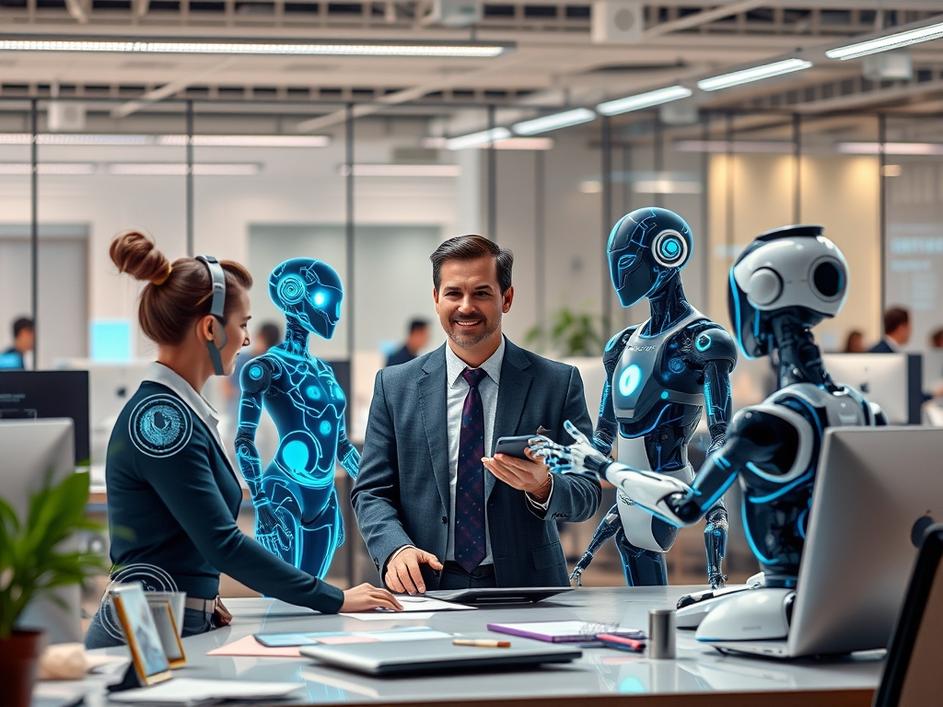
ToggleWe’re entering a new era of work, and it’s happening faster than many predicted. BNY Mellon, one of the world’s largest custodians of assets, is actively integrating artificial intelligence into its workforce. But here’s the fascinating part: managers are now tasked with leading teams composed of both humans and AI agents. This isn’t just about using AI tools; it’s about fundamentally changing the structure of teams and the role of management. It raises some serious questions about the future of work and whether we’re truly prepared for it.
BNY Mellon’s CEO, Robin Vince, is betting big on AI. He’s not just talking about it; he’s implementing it at scale. The bank currently has around 140 “digital employees,” which are essentially sophisticated AI agents performing various tasks. These aren’t just chatbots answering simple queries; they’re involved in complex processes and decision-making. This means managers are now responsible for assigning tasks, monitoring performance, and ensuring that these AI agents are working effectively alongside their human counterparts. It’s a bold move that could either revolutionize the industry or create unforeseen challenges.
One of the biggest concerns is whether current managers possess the skills needed to effectively lead these hybrid teams. Managing humans is already a complex task, requiring empathy, communication, and motivational skills. Now, managers also need to understand the capabilities and limitations of AI, how to train and optimize AI performance, and how to resolve conflicts that may arise between human and AI employees. This requires a whole new skillset that most managers simply don’t have. Training programs, like those BNY Mellon is reportedly implementing, are essential, but they may not be enough to bridge the gap.
The integration of AI into the workforce also raises some ethical concerns. AI algorithms can be biased, reflecting the biases of the data they are trained on. This could lead to unfair or discriminatory outcomes in the workplace. Furthermore, accountability becomes a major issue. If an AI agent makes a mistake, who is responsible? The manager? The programmer? The company? These are questions that need to be addressed proactively. And perhaps most importantly, we need to consider the impact on the human element. Will employees feel threatened or replaced by AI? Will the focus on efficiency and automation erode the sense of teamwork and collaboration?
Despite the challenges, the integration of AI into the workforce is likely inevitable. AI offers the potential to increase efficiency, reduce costs, and improve decision-making. However, it’s crucial to approach this transition thoughtfully and strategically. We need to invest in training and development programs to equip managers with the skills they need to lead hybrid teams effectively. We need to establish clear ethical guidelines and accountability frameworks to ensure that AI is used responsibly. And we need to prioritize the human element, fostering a culture of collaboration and ensuring that employees feel valued and supported. The future of work is not about replacing humans with machines; it’s about finding the right balance between human intelligence and artificial intelligence.
The role of the manager is evolving. No longer is it sufficient to simply supervise and direct human employees. The modern manager needs to be an orchestrator, coordinating the efforts of both humans and AI agents to achieve common goals. This requires a deep understanding of both human psychology and AI capabilities. Managers need to be able to identify tasks that are best suited for AI, delegate effectively, and monitor performance to ensure optimal outcomes. They also need to be able to foster collaboration between humans and AI, resolving conflicts and ensuring that everyone is working together harmoniously.
One of the most pressing questions surrounding the rise of AI is its impact on job security. While AI has the potential to automate certain tasks and displace some workers, it also has the potential to create new jobs and opportunities. The key is to invest in education and training programs that equip workers with the skills they need to thrive in the age of AI. This includes not only technical skills but also soft skills such as critical thinking, problem-solving, and communication. By focusing on developing these skills, we can ensure that workers are prepared for the jobs of the future and that AI is used to augment human capabilities rather than replace them entirely.
The integration of AI into the workforce is a complex and multifaceted issue with no easy answers. It’s crucial to approach this transition with transparency and open dialogue, involving all stakeholders, including employees, managers, and policymakers. We need to be willing to experiment, learn from our mistakes, and adapt as we go. By working together, we can ensure that AI is used to create a more productive, equitable, and fulfilling future for all.

Comments are closed