Urban Farming: A Growing Trend
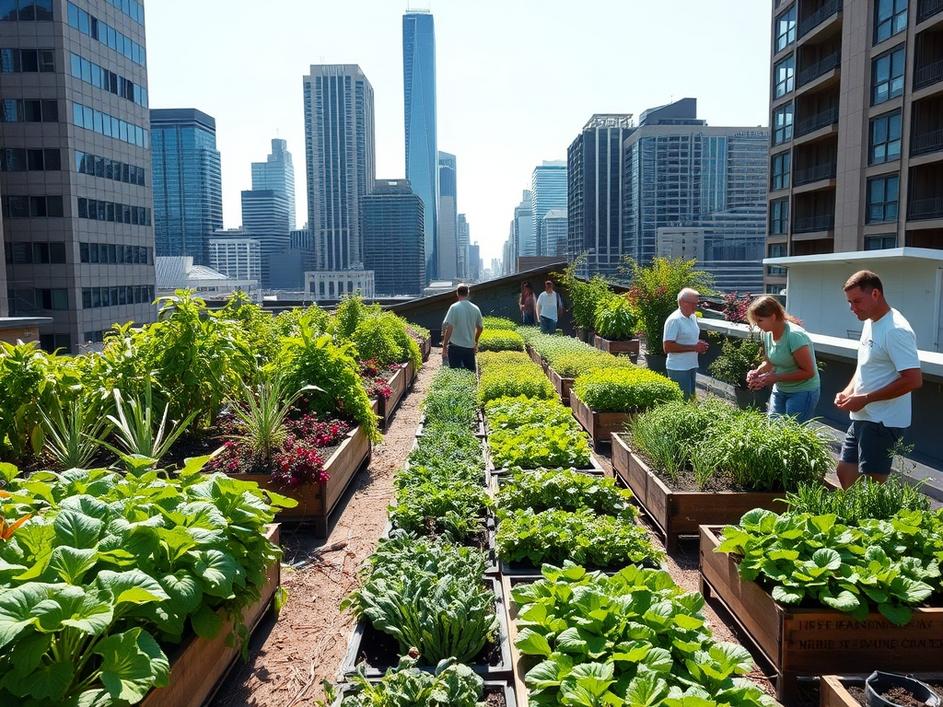
Urban farms have been popping up in cities around the world. From rooftops to vacant lots, these green spaces bring fresh produce to urban dwellers. As more people move to cities, the need for sustainable food sources increases. Urban farming offers a practical solution to food deserts, which are areas with limited access to fresh groceries.
Connecting Communities
One of the best things about urban farms is their ability to connect people. Neighbors come together to plan, plant, and maintain these gardens. This sense of community builds friendships and encourages teamwork. People learn from one another while bonding over a shared goal: growing food. It’s a simple way to build trust and relationships in often crowded and disconnected urban environments.
Environmental Benefits
Urban farms do more than just provide food. They also help the environment. Green spaces can lower temperatures in cities, combat air pollution, and support wildlife. By planting more greenery, we give back to the earth. Additionally, urban farms often use sustainable practices. This means fewer chemicals and a focus on natural solutions. It’s a small step that can lead to big changes in urban ecosystems.
Challenges Ahead
While urban farming has many merits, it also faces challenges. Space is a big issue; cities tend to be crowded, making it tough to find land. Then there are zoning laws, which can restrict where farms can go. Funding is another hurdle. Many urban farms rely on community support and grants, making long-term sustainability a challenge. Additionally, urban farms need to compete with larger grocery stores selling cheap produce, often imported from far away.
A Vision for the Future
Despite these challenges, the future looks promising for urban farms. Innovative solutions are on the rise, such as vertical farming and hydroponics. These methods allow for farming in smaller spaces with higher yields. Cities are beginning to recognize the importance of local food systems and are actively supporting initiatives. As more people push for local, sustainable food, urban farms will likely become a staple of city life, enhancing both the environment and community ties.





Comments are closed