

We are a digital agency helping businesses develop immersive, engaging, and user-focused web, app, and software solutions.
2310 Mira Vista Ave
Montrose, CA 91020

2500+ reviews based on client feedback
What's Included?
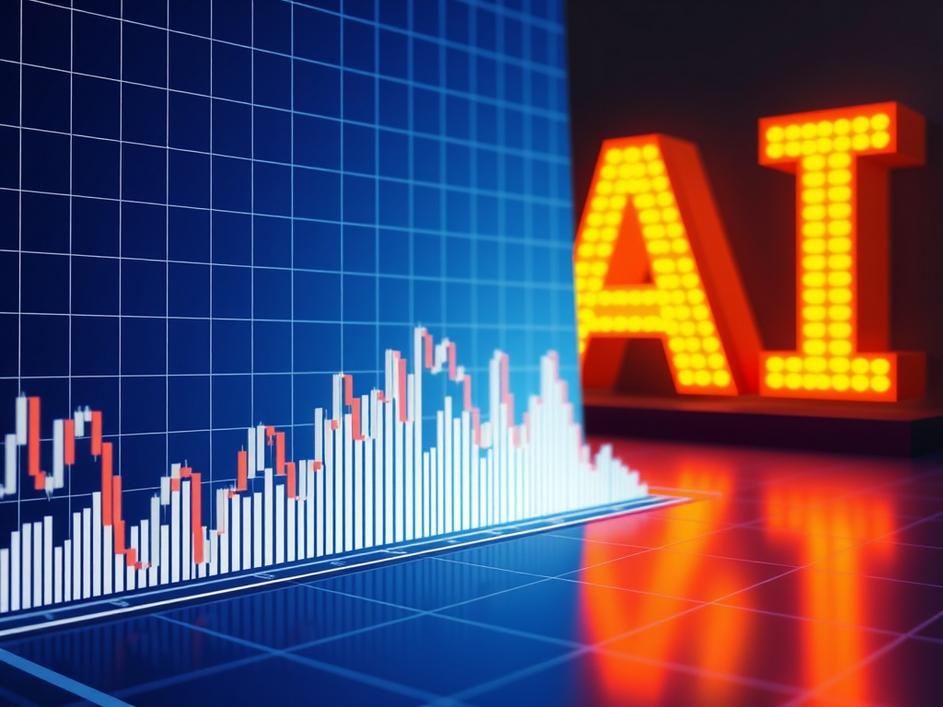
ToggleSoftware testing might not sound like the most exciting field, but it’s about to get a whole lot bigger – and smarter. Recent reports suggest the global software testing market is poised for massive growth, ballooning from an estimated $48.17 billion in 2025 to a staggering $93.94 billion by 2030. That’s nearly double in just five years! So, what’s driving this surge, and what does it mean for the future of software development?
The key drivers behind this growth are automation and the integration of artificial intelligence (AI). For years, software testing has been a largely manual process, often tedious and time-consuming. But as software becomes more complex and development cycles shrink, manual testing simply can’t keep up. Automation provides a way to run tests faster, more frequently, and with greater accuracy. This means finding bugs earlier in the development process, which saves time, money, and headaches down the line. But automation is just the beginning.
AI is taking software testing to the next level. Instead of just running pre-defined tests, AI-powered tools can learn from past tests, identify patterns, and even predict potential bugs before they appear. Imagine a system that not only finds errors but also suggests how to fix them! This is the promise of AI in software testing, and it’s a promise that’s rapidly becoming a reality. AI algorithms can analyze code, simulate user behavior, and identify edge cases that human testers might miss. This leads to more robust, reliable, and secure software.
Of course, the rise of automation and AI doesn’t mean human testers are going to become obsolete. Far from it. While AI can handle repetitive tasks and analyze large datasets, human testers are still crucial for tasks that require creativity, critical thinking, and a deep understanding of the user experience. Think about usability testing, exploratory testing, and ensuring that software meets the needs of real people. These are areas where human intuition and empathy are irreplaceable. The future of software testing is likely to be a collaboration between humans and machines, with each playing to their strengths.
For software developers, this trend has several important implications. First, it means that testing is becoming an increasingly integral part of the development process. No longer can testing be treated as an afterthought. Instead, it needs to be baked in from the beginning, with automated tests running continuously as code is written. Second, developers need to embrace automation and AI tools to stay competitive. Learning how to use these tools effectively will be essential for success in the future. Finally, developers need to focus on writing code that is testable. This means writing clear, modular code that is easy to understand and easy to test. The better the code, the easier it will be for both humans and machines to find and fix bugs.
While the growth of the software testing market is undoubtedly exciting, it’s important to acknowledge the challenges and opportunities that lie ahead. One challenge is the need for skilled professionals who can develop, implement, and manage automated testing systems and AI-powered tools. Another challenge is the potential for bias in AI algorithms. If the data used to train these algorithms is biased, the resulting tests may also be biased, leading to unfair or inaccurate results. Addressing these challenges will require a concerted effort from industry, academia, and government. But the potential rewards are enormous: more reliable software, faster development cycles, and a better user experience for everyone.
The predicted boom in the software testing market reflects a fundamental shift in how software is developed and delivered. As software becomes increasingly complex and critical to our lives, the need for robust testing becomes even more important. Automation and AI are not just buzzwords; they are essential tools for ensuring the quality, reliability, and security of the software we depend on every day. By embracing these technologies and investing in the skills needed to use them effectively, we can build a future where software works as it should, without the frustrating bugs and glitches that plague us today.
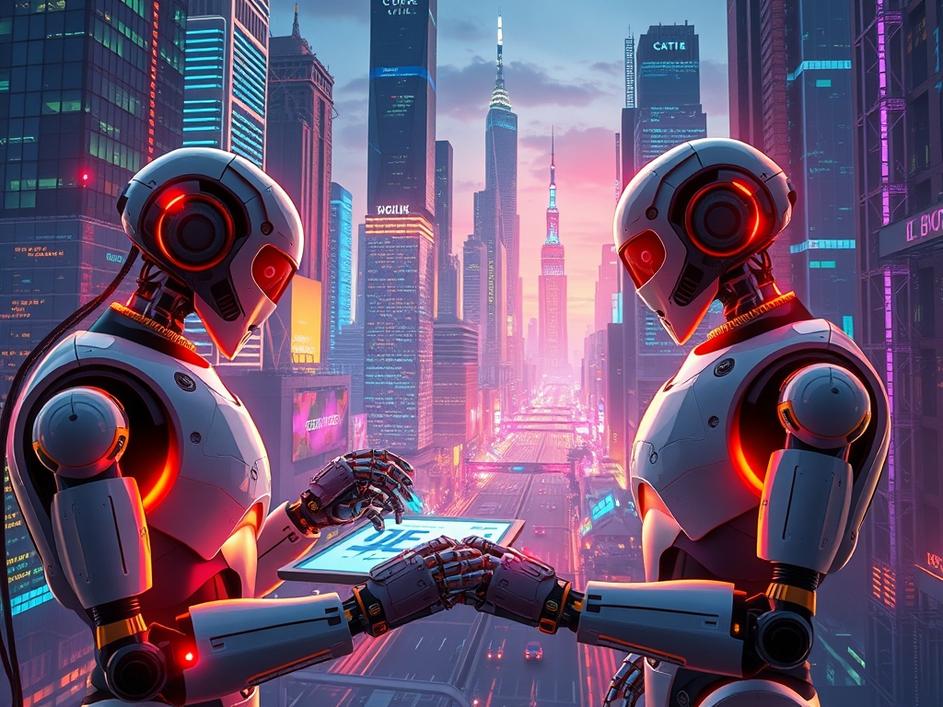
Ultimately, the growth of the software testing market is a sign that companies are finally recognizing the importance of investing in quality. In the past, testing was often seen as a necessary evil, a cost center that needed to be minimized. But as the cost of software failures continues to rise, companies are realizing that quality is not just a nice-to-have; it’s a competitive advantage. By investing in better testing tools and processes, companies can reduce the risk of costly errors, improve customer satisfaction, and ultimately, drive business growth. The robots may be coming for our testing jobs, but they’re also paving the way for a more reliable and innovative future.


Comments are closed