The Changing Landscape of Work
The workplace has experienced a massive shift in recent years, especially with the advent of remote work and hybrid models. Traditional office settings, once seen as the norm, are fading into the background. Companies are realizing that flexibility not only promotes productivity but also nurtures a healthier work-life balance for employees. This transformation is more than just a trend; it’s becoming an integral part of how businesses operate.
Flexibility: A New Standard
Flexibility in work arrangements allows employees to choose when and how they get their work done. Many companies have started to understand that allowing employees to work from home or choose their hours can lead to happier, more engaged workers. This isn’t just about comfort but about trusting employees to manage their time effectively. The move toward flexible work schedules reflects a major cultural change that encourages autonomy.
The Rise of Mental Health Awareness
Mental health has taken center stage in conversations around work. With the pressures of the past few years, many people are prioritizing their mental well-being. Companies now offer resources like counseling and wellness programs. A focus on mental health helps create a supportive environment where employees feel valued and understood. It goes beyond just meeting contractual obligations; it’s about fostering a community where people can thrive.
Building Connections in a Virtual World
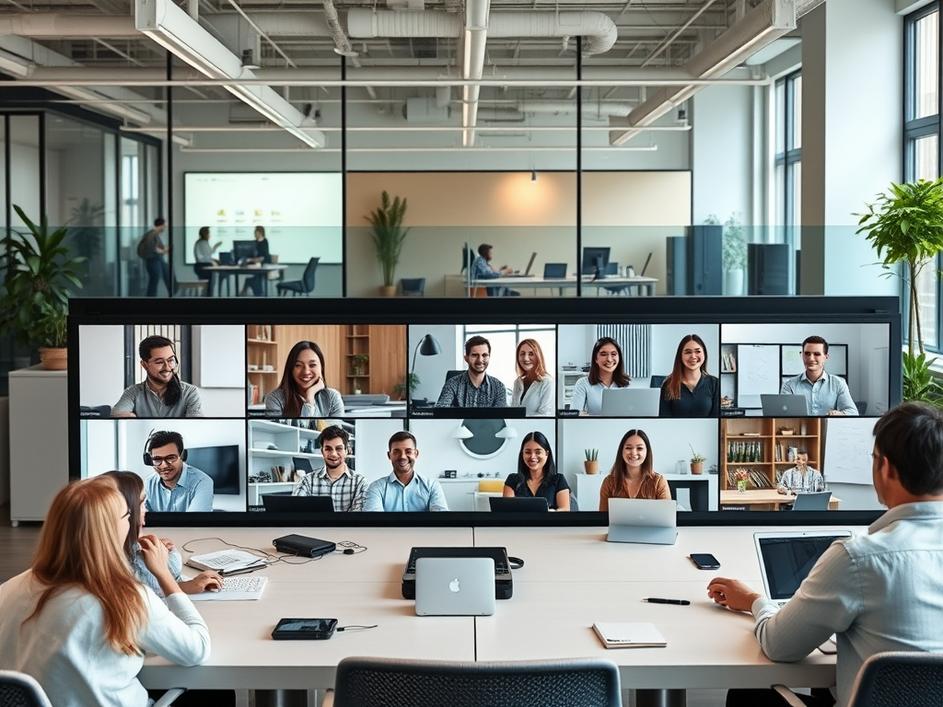
One challenge of remote work is maintaining connections among team members. Virtual tools like video calls and chat apps can facilitate communication, but they can’t fully replace the face-to-face interactions that happen in a traditional office. Companies are finding creative ways to encourage bonding, such as virtual team-building activities and regular check-ins. These initiatives remind us that while the mode of communication has changed, the need for connection hasn’t.
Merging Work and Life: Finding Balance
As work and life become more intertwined, finding that elusive balance is crucial. Employees have mentioned the difficulty of switching off when their home becomes their office. Companies can help by encouraging boundaries. Encouraging employees to take breaks, set specific work hours, and even unplug after a certain time can cultivate a healthier environment. It’s essential for both employers and employees to recognize the need for downtime and personal space.
Embracing the Future Together
The future of work is about embracing change and understanding that every person’s needs are different. Employers who listen and adapt will likely see greater loyalty and satisfaction from their teams. This adaptability will not only improve productivity but also encourage a culture of innovation. As we move forward, it’s vital to remember that work doesn’t exist in a vacuum; the well-being of employees should always come first. By prioritizing flexibility and connection, businesses can navigate the evolving landscape of work effectively.






Comments are closed