

We are a digital agency helping businesses develop immersive, engaging, and user-focused web, app, and software solutions.
2310 Mira Vista Ave
Montrose, CA 91020

2500+ reviews based on client feedback
What's Included?
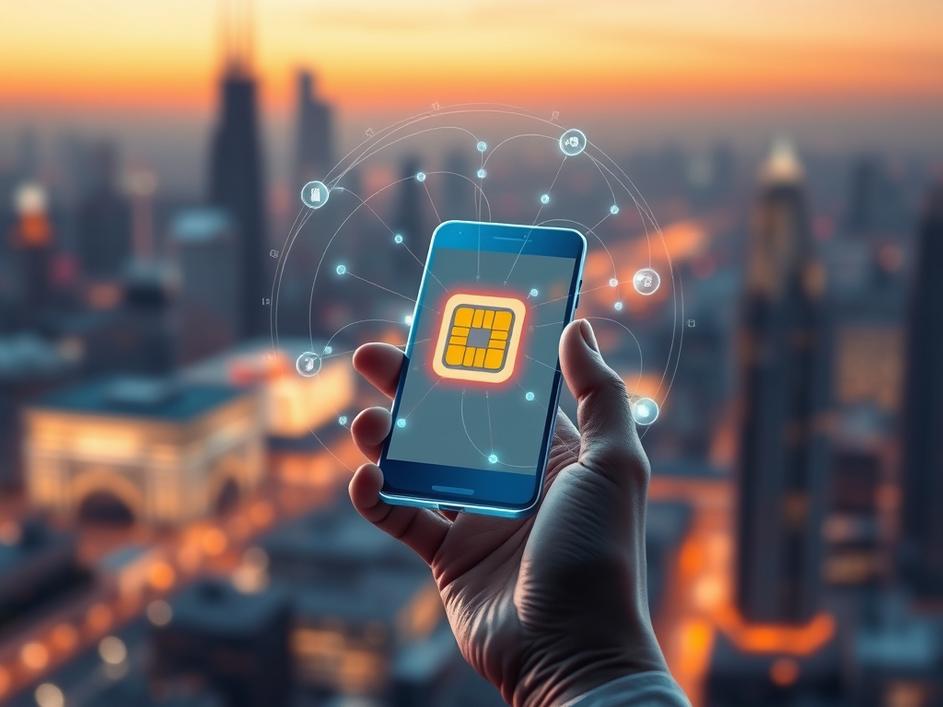
ToggleFor a long time, the SIM card was just a tiny, easily forgotten piece of plastic that made our phones work. It sat in a little tray, doing its job, connecting us to the world. But things are changing, and this change is bigger than you might think. AT&T and Thales recently announced they are rolling out a new eSIM solution, and while it might sound like a small tech update, it’s actually a pretty important step towards making our digital lives much simpler and more flexible. This isn’t just about a new way to activate your phone; it’s about a quiet revolution in how we connect to mobile networks, removing a small but persistent hurdle we’ve all grown used to. It’s about taking that physical piece out of the equation and making connectivity almost invisible, which, in the world of technology, often means a huge leap forward in convenience for everyone.
So, what is an eSIM? The name actually gives it away: “e” stands for embedded. Instead of a removable plastic card, an eSIM is a small chip built directly into your phone or other device right from the factory. Think of it like this: your phone already has a lot of internal parts, and now, the SIM is just another one of those. You don’t physically swap anything. Instead, you download your mobile network profile – basically, your phone number and plan details – directly onto this embedded chip. This is a huge deal. No more fumbling with tiny trays and even tinier pins every time you get a new phone or want to switch carriers. It means setup can be done digitally, often in just a few taps on your screen. This digital approach not only makes things smoother but also opens up a lot of possibilities for how we manage our connections, making the process feel less like a chore and more like the seamless experience we expect from modern tech.
The news that AT&T is teaming up with Thales to bring this eSIM solution to more users is really significant. AT&T is one of the biggest telecommunications companies around, and Thales is a leader in secure digital technologies. When these two powerhouses work together, it means this new way of connecting is going to be robust, secure, and available to a huge number of people. For AT&T customers, this partnership means they’ll soon experience the benefits of eSIM firsthand. Activating a new device or changing plans will be much more streamlined. Imagine buying a new phone online, and instead of waiting for a SIM card to arrive in the mail, you just turn it on, follow a few prompts, and you’re connected. This collaboration shows that major players are serious about moving away from the old physical SIM model, making sure the infrastructure is there to support a smoother, more digital future for mobile connectivity across the board. It’s a clear signal that the industry is ready to embrace this next step.
While we often think about eSIMs in the context of our smartphones, their potential goes way beyond that. This technology is incredibly important for the growing world of connected devices, often called the Internet of Things (IoT). Think about your smartwatch, your tablet, or even the navigation system in your car. With an eSIM, these devices can connect to a mobile network just as easily as your phone, without needing a separate physical card. This makes it much simpler for manufacturers to design smaller, sleeker devices because they don’t need space for a SIM card slot. It also means these devices can be activated and managed remotely, which is a huge advantage for businesses and individuals alike. This easy, built-in connectivity means we’re heading towards a future where almost everything can be online, making our lives more integrated and intelligent, from health trackers that always have a signal to smart home gadgets that are always connected, no matter where they are.
From my perspective, AT&T’s decision to lean into eSIM technology with Thales is a really smart move. In today’s fast-paced world, people expect convenience and flexibility, and the old physical SIM card felt like a relic. By adopting eSIMs more widely, AT&T makes its service more attractive to a variety of users. Travelers, for example, can easily switch to local plans or add international data without hunting for a local SIM card. People who like to switch phones often will find the process much less of a hassle. It also positions AT&T as a forward-thinking company, ready for the next wave of connected technology. When you make things easier for your customers, they are generally happier and more loyal. This isn’t just about keeping up with competitors; it’s about setting a new standard for how effortless mobile connectivity can be, showing a real commitment to user experience in an increasingly digital landscape. It’s a win for consumers and a strategic advantage for the carrier.
Looking ahead, the widespread adoption of eSIM technology by major carriers like AT&T is only going to accelerate its growth. We can expect even more devices to come with eSIMs built-in, from new smartphone models to a wider array of smart devices and even appliances. The process of switching networks or managing multiple plans on a single device might become incredibly simple, perhaps just a few taps in an app. This could lead to a future where your connectivity adapts more dynamically to your needs, whether you’re traveling, at home, or at work. It might also mean more competition among carriers, as it becomes easier for customers to switch, potentially leading to better deals and services for all of us. The move away from physical SIMs is more than just a convenience; it’s a foundational shift that will underpin how we interact with technology in the coming years, making our digital world feel more seamless, integrated, and responsive to our everyday lives.
So, this announcement from AT&T and Thales about rolling out a new eSIM solution might seem like just another tech update. But if you look a bit closer, you’ll see it represents something much bigger. It’s about removing a small but annoying friction point in our digital lives. It’s about making connectivity easier, more flexible, and truly embedded into the devices we use every day. This small chip, or rather the absence of a physical one, unlocks a lot of potential for how we manage our phones, our smartwatches, and all the other gadgets that make up our connected world. It’s a step towards a future where getting online is as simple as turning on a device, without any extra fuss. And that, for all of us who rely on our tech, is a welcome change indeed.


Comments are closed