

We are a digital agency helping businesses develop immersive, engaging, and user-focused web, app, and software solutions.
2310 Mira Vista Ave
Montrose, CA 91020

2500+ reviews based on client feedback
What's Included?
ToggleAdmit it: when you hear “ransomware,” your mind probably jumps straight to Windows computers. You might even think that these digital shakedowns are on their way out, a problem from a few years ago. It’s easy to picture a pop-up on a desktop, locking files and demanding payment. But here’s the thing: that picture is getting old, and it’s missing a huge part of the story. The truth is, ransomware isn’t just alive and well; it’s evolving, and it’s looking beyond the familiar targets. It’s shifting focus to places many of us might not have expected, and this changes how we all need to think about keeping our digital lives safe. This isn’t just a minor update in the cybersecurity world; it’s a fundamental change that needs our attention, especially if we rely on the digital backbone of the internet, which, let’s face it, most of us do every single day.
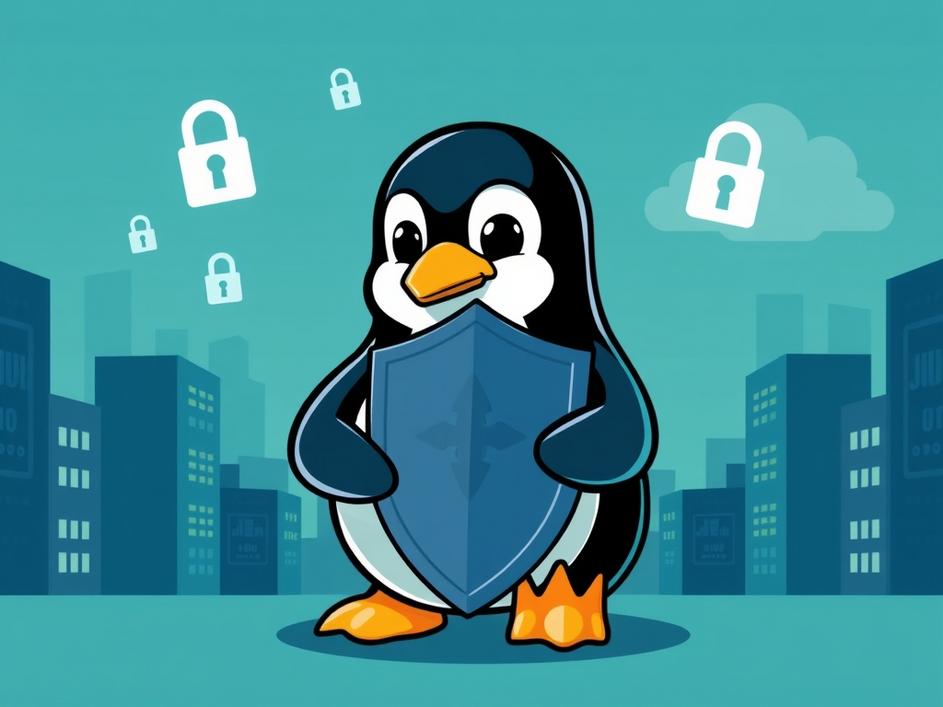
For a long time, Linux has enjoyed a reputation as the secure, stable alternative to Windows. And in many ways, that reputation is well-earned. Its open-source nature means countless eyes are constantly reviewing the code, patching vulnerabilities, and improving security. Plus, it’s not as common on everyday desktops for most people, so attackers often focused their efforts where the biggest pool of potential victims was – Windows. This led to a kind of comfort, a feeling that if you were running Linux, you were inherently safer from the nastiest online threats like ransomware. We often hear about Linux powering the internet’s infrastructure, huge corporate servers, cloud environments, and critical industrial systems, but we rarely heard about these systems getting hit by widespread ransomware campaigns. This created a false sense of security, a belief that its strong foundations made it virtually impenetrable to these kinds of attacks. But as with any technology, security isn’t a set-it-and-forget-it deal; it’s a constant race against those trying to find the weak spots.
So, what happens when that long-held belief gets a serious challenge? That’s exactly what’s happening now. The Cybersecurity and Infrastructure Security Agency (CISA), a key U.S. government agency tasked with protecting critical infrastructure from cyber threats, has sounded a clear alarm. They’re not just whispering about potential risks; they’re issuing a full-blown warning about ongoing ransomware attacks specifically targeting Linux systems. This isn’t theoretical; it’s happening right now. For CISA to put out such a warning, it means they’ve seen enough confirmed incidents and persistent threats to know this is a significant and escalating problem. It tells us that these aren’t just one-off attacks by small groups; rather, it suggests coordinated, sophisticated efforts by ransomware gangs who have figured out how to bypass Linux’s traditional defenses. This official notice should be a wake-up call for everyone who uses or manages Linux-based systems, from small businesses running web servers to huge corporations relying on cloud infrastructure. It means the threat is real, it’s active, and it demands immediate attention.
Why are attackers making this strategic move from Windows to Linux? Well, it’s pretty simple when you think about it: they go where the most valuable targets are. While Windows might dominate desktops, Linux is the backbone of the internet, the cloud, and countless critical enterprise systems. Think about it: web servers, databases, virtual machines, container orchestration platforms – a vast majority of these run on some flavor of Linux. If a ransomware group can compromise one of these Linux systems, they’re not just locking up a single employee’s files; they could potentially bring down an entire organization’s operations, affecting thousands of users, disrupting supply chains, or even taking critical services offline. The potential payout from such an attack is significantly higher, making the effort worthwhile for these criminal enterprises. Plus, if organizations have been a bit complacent with their Linux security – thinking it was inherently safer – then these systems might present easier targets, with fewer immediate defenses or less rigorous monitoring than their Windows counterparts. It’s a classic case of attackers finding the path of least resistance to the biggest rewards.
Given this clear and present danger, what can you do? Sitting back and hoping for the best is no longer an option. The first and most crucial step is to treat your Linux systems with the same, if not greater, security rigor you apply to Windows. This means regular, consistent patching and updates for all your Linux-based software and operating systems. Many of these vulnerabilities get fixed, but if you’re not updating, you’re leaving the door wide open. Next, strong authentication is key: move beyond simple passwords to multi-factor authentication (MFA) wherever possible, especially for remote access. Network segmentation can also be a lifesaver, meaning you separate your network into smaller, isolated chunks so that if one part is compromised, the damage doesn’t spread everywhere. And, perhaps most importantly, focus on rock-solid backup strategies. Make sure your backups are immutable, meaning they can’t be changed or deleted by an attacker, and keep them offline or air-gapped from your main network. This way, even if ransomware encrypts everything, you can still restore your data without paying the criminals. Regular security audits, penetration testing, and employee training on identifying suspicious activity are also vital layers of defense. It’s about building a robust security posture, not just for Windows, but for every part of your digital infrastructure.
The CISA warning about ransomware targeting Linux is a stark reminder that the cybersecurity landscape is always changing. Assumptions about which systems are safe and which are vulnerable can quickly become outdated. What was true yesterday might not be true today, and certainly won’t be true tomorrow. This isn’t a time for panic, but for proactive action and a serious re-evaluation of your organization’s security posture across all platforms. The threat of ransomware is real, and it’s adapting. By understanding this shift, taking the necessary preventative measures, and fostering a culture of continuous security awareness, we can better protect our critical systems and data from these persistent and evolving digital threats. Our digital world is built on Linux, and now, more than ever, we need to ensure its foundations are secure.



Comments are closed