

We are a digital agency helping businesses develop immersive, engaging, and user-focused web, app, and software solutions.
2310 Mira Vista Ave
Montrose, CA 91020

2500+ reviews based on client feedback
What's Included?
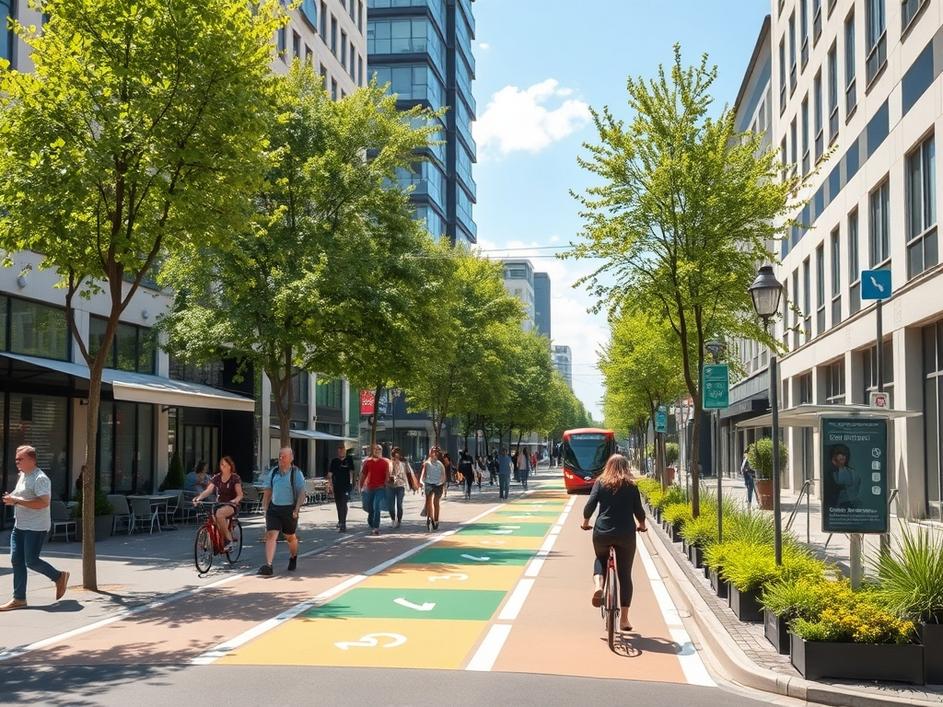
ToggleOn Tuesday the city announced a bold shift in how people move around the center. The plan is simple in words but big in effect: parts of the core will be off limits to private cars during peak hours. Not a total ban on driving, but a clear push toward walking, biking, and reliable transit. The move didn’t come out of nowhere. It sits on the back of years spent stuck in traffic, polluted air, and a morning routine that wears people out before the day starts. For residents, this isn’t just a policy piece. It’s a signal about what the city wants life to feel like on the street level. If it holds, streets could feel friendlier, safer, and more lived-in. If it stalls, the same blocks might end up crowded with more horns, more fumes, and more frustration.
Officials laid out a package: car-free zones in the downtown ring during weekday mornings and evenings, dedicated bus lanes that keep riders moving, protected bike lanes that connect neighborhoods, and new plazas where people can sit, eat, and chat. Parking will shift toward the outskirts, with changes to loading zones for deliveries to avoid blocking the curb. The city also promised better lighting, more crosswalks, and a fast, reliable bus network with real-time updates. The goal isn’t to force people to give up cars. It’s to make the streets work for more people at the same time. The balance won’t be easy, but it isn’t as abstract as a plan on paper.
Walkers will get a breath of fresh air as engines fade from the core. On the ground, sidewalks will feel wider because parked cars disappear from the curb. Noise will drop in the busiest blocks; a street corner can become a place to linger. Kids and older residents may feel safer crossing streets with shorter street-crossing distances and more signals. Some people will miss their usual quick drive to the shop. Others will discover new rhythms—a morning jog, a midday ride to the market, a bus ride that doubles as a little break. The city expects this to be a slow change, not a one-week flip. Rebuilding habits takes time, and mistakes will happen along the way.
Shop owners worry about foot traffic, especially early in the plan. Deliveries could be delayed if not coordinated with new curb rules. On the flip side, a calmer street can bring in people who would otherwise pass by. Cafes may invite more outdoor seating; street life can become a draw. The city has promised financial help for small businesses to adapt, including subsidies for equipment, signage, and training for staff on new hours. Real change won’t happen overnight. It will require steady communications between business groups, residents, and city hall. If the community buys in, the plan can help local commerce thrive by inviting more strolling shoppers and neighbors to linger longer.
Money matters. The upfront cost covers new lanes, signals, and lighting. Maintenance will also take a bite year after year. There’s a real concern that some people won’t be able to use the area as freely as before. Accessibility for those with disabilities, seniors who rely on occasional car trips, and workers with irregular hours must stay in focus. The plan includes thresholds and exemptions to keep essential trips possible. But rules will need clear enforcement to avoid chaos. No plan works without feedback. The city will need to collect data, listen to complaints, and adjust. The real test is whether the changes make life easier for the people who live behind the storefronts, not just those who visit for a quick look.
Change like this asks a city to rethink speed and space. It asks people to slow down without losing access. It asks businesses to rethink their routines without losing customers. My take: this is a chance to reset how we value shared spaces. If the plan sticks, future summers could feel cooler as trees grow along main streets and traffic noise drops. If it falters, we will see the cost in clogged lanes and crowded sidewalks. Either way, the city is starting a conversation about what kind of place it wants to be. The next year will be a test of patience, listening, and small wins. It’s not a final answer, but it is a visible step toward a more human-scale city. The real prize, if this works, is a city that respects space, time, and people.


Comments are closed