A Nostalgic Nod to Fitness
This past year, it seems like fitness enthusiasts are looking back to the past as they choose their workout routines. From Jane Fonda’s low-impact aerobics to the charm of banana clip hairstyles, retro fitness trends are making a chic comeback. It’s amusing how so many people are dusting off old VHS tapes, rocking neon spandex, and even picking up the classic jump rope. This surge in nostalgia isn’t just fun; it has deeper roots in the way we perceive wellness and community.
Why Vintage is In
The rise of vintage fitness can be attributed to various factors. With the pandemic having redefined how we engage with fitness, many individuals crave simplicity and the camaraderie that often came with these nostalgic workouts. Social media plays a huge role too. Platforms like TikTok and Instagram flood our feeds with clips showcasing old workouts, often accompanied by catchy retro music. It’s visually appealing, entertaining, and still gets the heart rate up. Witnessing others jump back into old trends often sparks interest and prompts people to join in.
The Role of Community
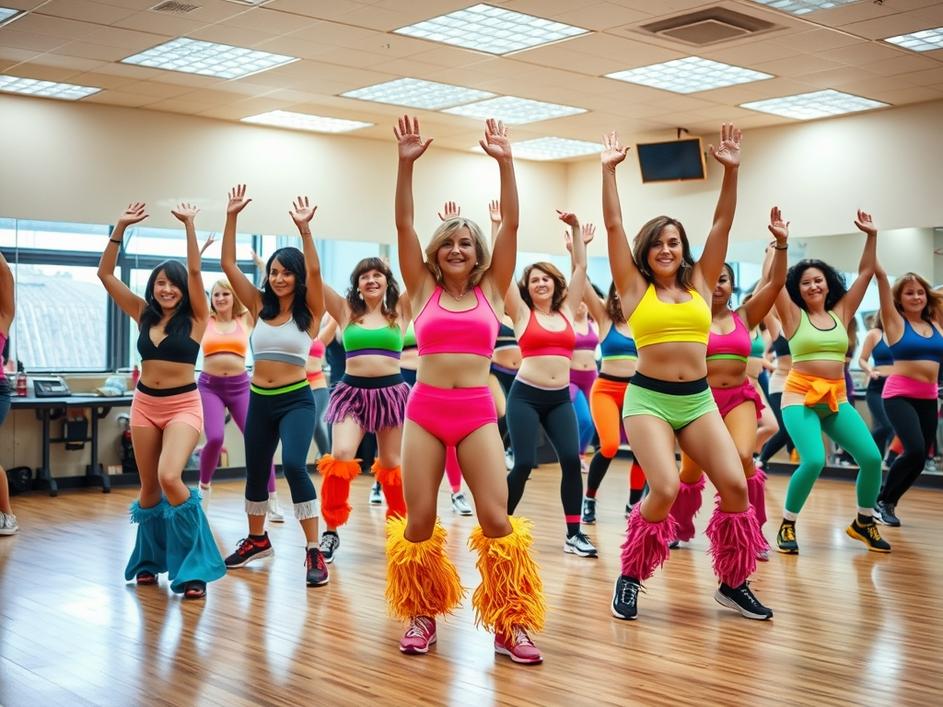
Community has always been a significant aspect of exercising. Back in the ’80s and ’90s, group classes filled gyms with people. They weren’t just getting fit; they were building relationships. Nowadays, many yearn for that sense of togetherness. Online fitness communities have taken off, but they cannot fully replicate the feeling of sweating it out alongside others. So, naturally, people are gravitating back to those sweaty group dance aerobics classes or hearty yoga sessions inspired by the past. The bond that forms while chuckling over shared struggles and dance fails is irreplaceable.
Health Benefits of Retro Workouts
Not only are these workouts fun, but many also come with genuine health benefits. Classic forms of exercise like step aerobics, barre, or even old-fashioned exercises like hula hooping provide fantastic cardiovascular benefits. They can be incredibly effective for building endurance, and their low-impact nature makes them accessible for all ages. Moreover, these workouts often cater to diverse skill levels, allowing everyone to join in without feeling intimidated. In a time when balanced fitness is key, these workouts resonate with people of various backgrounds.
What’s Next for Fitness?
While we’ve seen this return to old-school workouts, it raises the question: What comes next? Will there be a future that combines the best of both worlds, the new and the nostalgic? We may very well see fitness instructors merging classic methods with modern fitness trends, including technology, to enhance the experience. Imagine taking a virtual retro dance party with a live DJ who incorporates kicks and spins from classic moves. It would be a beautiful blend of nostalgia and innovation. It’s fascinating to think about how history can teach us while still allowing room for creativity.
Conclusion: Embracing the Past for a Healthier Future
At the end of the day, the revival of vintage fitness trends isn’t just a passing phase. It’s a reflection of what we value as a society—community, creativity, and of course, sticking to what works. Whether you’re busting out the legwarmers for an ’80s workout, trying out a retro dance class, or simply appreciating what these movements represent in the fitness community, embracing the past can lead us toward a healthier, more connected future.






Comments are closed