The Beginning of a Crisis
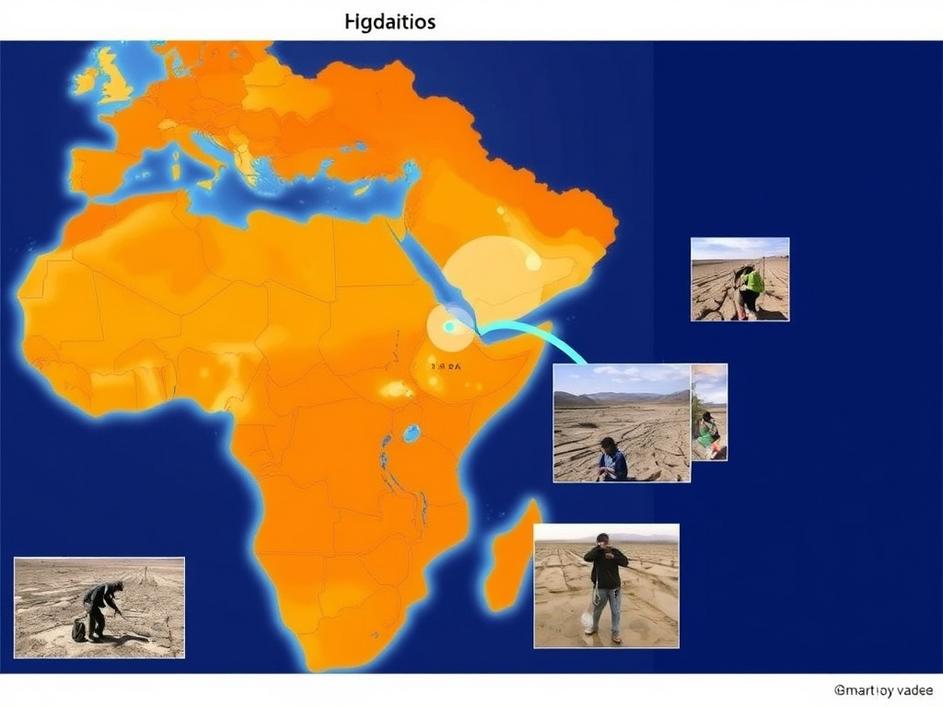
Water scarcity is becoming a pressing issue worldwide, affecting millions of people across various regions. While some areas have long experienced droughts and limited water supply, the situation is worsening everywhere due to climate change, pollution, and population growth. In many parts of the world, what was once considered a reliable source of water is dwindling rapidly, posing a threat not only to daily life but also to food security and public health.
Understanding the Impact
When we think about water scarcity, we often focus on the immediate effects: thirsty communities and struggling farmers. But the ripple effects go much deeper. In regions where water is scarce, economic growth stalls. Families may spend hours each day searching for clean water instead of working or attending school. This struggle ultimately leads to a cycle of poverty that can be hard to escape. Moreover, conflict can arise over access to this precious resource, making water scarcity a source of tension among groups and nations.
Climate Change: A Major Contributor
Climate change plays a significant role in the escalating water crisis. With rising temperatures, evaporation rates are higher, reducing available freshwater. Extreme weather events, like floods and droughts, disrupt the natural water cycle and put additional stress on already limited supplies. Scientists warn that if current trends continue, more regions will experience severe shortages. It’s clear that climate action is not just about protecting the planet; it’s also about ensuring future generations have the water they need to thrive.
Solutions on the Horizon
The challenge of water scarcity is daunting, but potential solutions exist. Many countries are investing in technology to improve water efficiency in agriculture, which is one of the largest consumers of freshwater. Urban areas are exploring rainwater harvesting and wastewater recycling to stretch limited supplies. Additionally, public awareness campaigns can encourage conservation efforts at the individual and community levels. If we address water usage proactively, we can help mitigate this pressing issue.
A Call for Global Cooperation
Finally, tackling water scarcity requires a collaborative approach. Nations need to share resources, knowledge, and technology to combat this global challenge. Organizations that work in the field of water access must continue to advocate for fair policies and practices. A united front is our best chance at ensuring that everyone has access to clean water. It’s time to prioritize this issue in international discussions and consider it a shared responsibility.





Comments are closed