

We are a digital agency helping businesses develop immersive, engaging, and user-focused web, app, and software solutions.
2310 Mira Vista Ave
Montrose, CA 91020

2500+ reviews based on client feedback
What's Included?
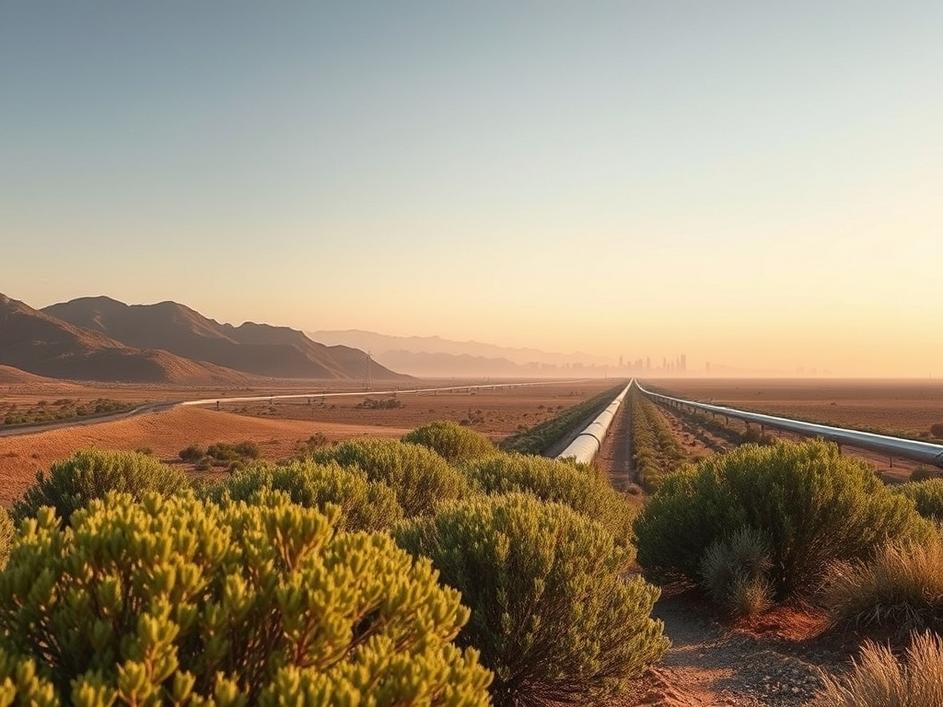
ToggleWe often take it for granted: the simple act of turning on the tap and having clean, readily available water. But behind this convenience lies a complex and often unseen network of infrastructure – the water pipelines. These lines of conduction are the unsung heroes that bring water from its source to our homes, businesses, and farms. Thinking about where water actually *comes* from beyond the tap reveals a vast and intricate system requiring constant upkeep and thoughtful design.
The journey of water from its source to our faucets is quite remarkable. It begins with identifying a reliable water source, such as a river, lake, or groundwater aquifer. Once identified, the water is extracted and treated to remove impurities and contaminants, ensuring it meets strict safety standards. From the treatment plant, water embarks on its journey through a network of pipelines, often traveling long distances and navigating challenging terrain. These pipelines, typically constructed of materials like ductile iron, steel, or concrete, are carefully designed and installed to minimize leaks and maintain water quality. But how is this design and installation achieved?
Designing water pipelines is a complex engineering endeavor, involving careful consideration of several factors. The size and capacity of the pipeline must be adequate to meet the water demands of the community it serves. The material selection must be appropriate for the soil conditions and the water quality to prevent corrosion and ensure longevity. The pipeline route must be carefully planned to minimize environmental impact and avoid obstacles such as buildings, roads, and other utilities. Furthermore, the design must incorporate features such as pressure relief valves, air valves, and surge tanks to protect the pipeline from damage due to pressure fluctuations. And of course, regular monitoring and maintenance are essential to ensure the continued integrity of the pipeline.
Managing water pipelines presents numerous challenges, including aging infrastructure, water loss due to leaks, and the need for costly repairs and replacements. Many cities and towns rely on water pipelines that were installed decades ago, and these aging pipelines are prone to corrosion, leaks, and breaks. Water loss from leaks not only wastes a precious resource but also puts a strain on water supplies and increases the cost of water for consumers. Fortunately, there are many innovations in water pipeline management that help address these challenges. These include advanced leak detection technologies, such as acoustic sensors and drones, which can quickly identify and locate leaks. New materials and construction techniques are also being developed to improve the durability and longevity of water pipelines. Furthermore, smart water management systems are being implemented to monitor water usage, detect anomalies, and optimize water distribution.
As populations grow and water resources become increasingly scarce, the importance of efficient and reliable water pipelines will only continue to grow. Investing in modernizing water infrastructure is essential to ensure a sustainable water supply for future generations. This includes replacing aging pipelines, implementing smart water management systems, and promoting water conservation efforts. Moreover, it is crucial to raise public awareness about the importance of water infrastructure and the need to protect this vital resource. Only through collective efforts can we ensure that everyone has access to clean, safe, and affordable water. The future of our communities depends on these often-invisible arteries that sustain life itself. Without them, our modern world would simply cease to function.
Safe, reliable water pipelines are absolutely essential for public health. They prevent waterborne diseases by ensuring that clean water reaches homes and businesses. When pipelines fail or become contaminated, the consequences can be severe, leading to outbreaks of illness and widespread public health crises. Proper maintenance, regular testing, and adherence to strict safety standards are critical to protecting public health. So, while it is out of sight and out of mind for most people, it needs to be a priority.
The health of our water pipelines directly impacts the economy and sustainability. Leaky, inefficient pipelines waste water, driving up costs for consumers and businesses. Investing in modern, well-maintained water infrastructure can reduce water loss, lower energy consumption, and support economic growth. Sustainable water management practices, including water conservation and reuse, can further reduce the strain on water resources and ensure a more resilient future. It is not just about fixing problems, it is about proactively building a more sustainable water system.



Comments are closed