

We are a digital agency helping businesses develop immersive, engaging, and user-focused web, app, and software solutions.
2310 Mira Vista Ave
Montrose, CA 91020

2500+ reviews based on client feedback
What's Included?
ToggleEveryone’s talking about AI. It’s in our phones, writing emails, and creating art. Every day brings new discoveries, pushing what computers can do. We imagine a future where AI helps solve big challenges. But there’s a quiet, growing problem beneath all this excitement. It’s not flashy, but it’s crucial: the incredible rise of AI has a massive hunger for electricity, and our power grids are struggling to keep up. This isn’t a minor technical snag; it’s a fundamental challenge that could shape AI’s future. For AI to learn and operate at scale, it needs enormous, continuous power. This isn’t just about convenience; it’s becoming a bottleneck in the race for AI dominance and a concern for our planet’s health. Our smart future needs a smart power plan, and right now, that plan is looking underdeveloped.
Why does AI need so much power? It’s all about what these systems do. Think of “training” an AI model: it’s like teaching millions of “children” at once, using every piece of information ever created. This means crunching unbelievable amounts of data. Billions of calculations happen in huge data centers packed with specialized computer chips. Each chip needs power, and with thousands working together, the electricity demand soars. Even after training, AI still needs power to run – to answer your questions or generate images. This is called “inference.” While one query uses less power, millions of people using AI tools every second quickly add up. These data centers are essentially giant, sleepless brains, constantly drawing power to cool their systems and run servers. It’s a non-stop operation where every watt counts.
Our electrical infrastructure, in many places, wasn’t built for the AI revolution. Grids designed decades ago for predictable loads now face an unprecedented demand surge from AI data centers. It’s like trying to put superhighway traffic through a small country road. Existing power lines, transformers, and substations are feeling the strain. This isn’t just about turning on more generators; it’s about upgrading a massive, complex system that takes years to build. Building new power plants and transmission lines is expensive and often faces pushback. We need smarter grids, better energy storage, and a complete rethink of how we generate and distribute electricity. If we can’t provide reliable, high-capacity power, AI data center expansion will hit a wall. Countries that adapt their energy infrastructure fast will have a distinct advantage in hosting future AI tech.
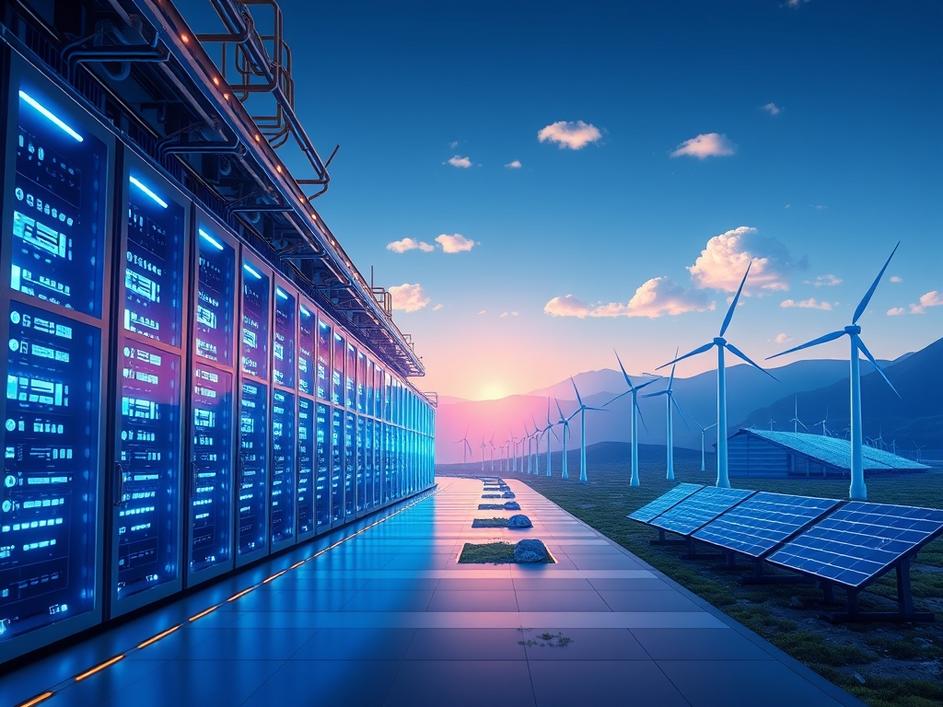
Beyond simply getting enough power, there’s the critical question of *how* that power is generated. If the solution to AI’s energy hunger is just to build more fossil fuel plants, then the promise of AI solving global problems like climate change becomes deeply ironic. The environmental footprint of AI is a serious concern. Every calculation contributes to carbon emissions if powered by fossil fuels. So, the challenge isn’t just about quantity, but also quality. We need to power AI with cleaner, renewable energy sources like solar, wind, and hydropower. This means significant investment in these technologies. Also, making AI itself more energy-efficient is key. Researchers are working on smarter algorithms and specialized hardware that use less power. This dual approach is vital for an intelligent future that doesn’t come at too high an environmental cost.
This energy problem isn’t just a technical hurdle; it’s a strategic one. The ability to reliably power massive AI operations could become a critical factor in the global race for technological supremacy. Nations or companies with access to abundant, affordable, and sustainable energy will have a significant advantage. It’s not enough to have the best AI talent or the most advanced chips if you can’t plug them in. This means energy security is now intertwined with national AI strategies. Countries that can develop smart energy policies, invest in renewables, and build robust grid infrastructures will likely attract more AI development. Regions struggling with energy shortages might fall behind. The energy crisis for AI isn’t just about keeping the lights on; it’s about determining who leads the next technological era. It adds another complex layer to an already intense global competition.
So, where do we go from here? The path forward requires innovation in energy storage and generation, making clean energy more accessible. At the same time, clever engineering within AI itself is crucial – developing more efficient algorithms and specialized hardware that uses less power. This challenge demands collaboration between tech giants, energy providers, governments, and researchers worldwide. The future of AI is deeply tied to our ability to generate and manage power. We have an opportunity to build a sustainable foundation for this incredible technology. If we address this energy dilemma head-on, we can ensure AI becomes a force for good, creating a smarter world without draining our resources or harming our planet. Ignoring this challenge isn’t an option; the stakes are too high for our technological progress and for the environment we all share.



Comments are closed