

We are a digital agency helping businesses develop immersive, engaging, and user-focused web, app, and software solutions.
2310 Mira Vista Ave
Montrose, CA 91020

2500+ reviews based on client feedback
What's Included?
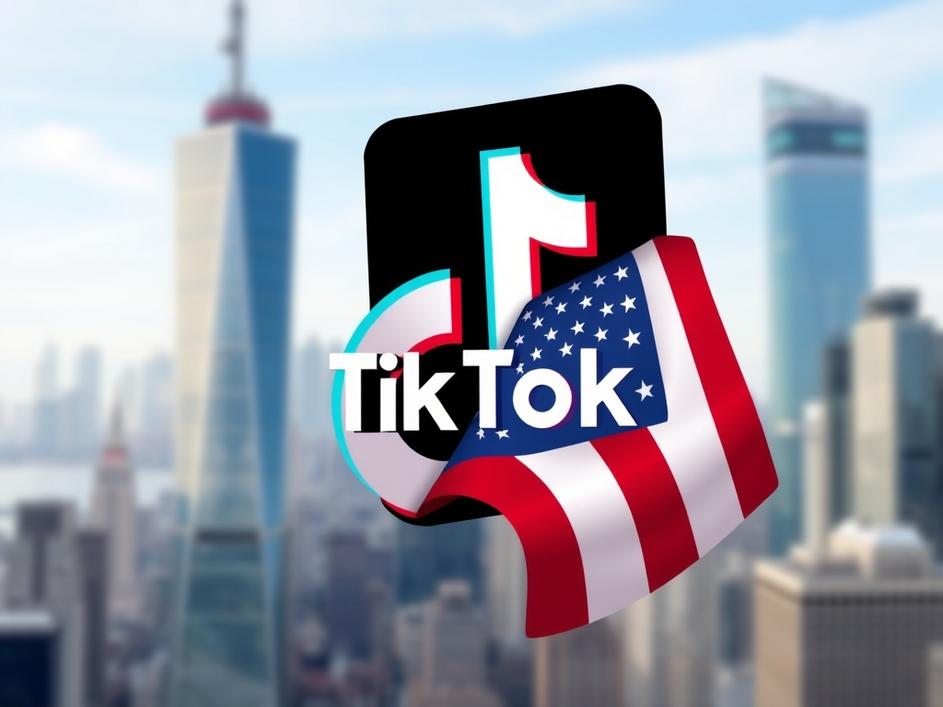
ToggleAfter years of scrutiny and regulatory pressure, TikTok, the video-sharing behemoth, is undergoing a significant transformation. ByteDance, its Chinese parent company, has officially signed an agreement to transfer the majority ownership of TikTok’s US operations to a consortium of American and global investors. This move, announced on December 19, 2025, marks a pivotal moment in the ongoing saga of TikTok’s presence in the American market.
The reasons behind this shift are multifaceted. Concerns about data security and potential influence from the Chinese government have long plagued TikTok. American lawmakers and regulatory bodies have voiced fears that user data could be accessed by the Chinese government, posing a national security risk. This deal can be seen as a preemptive measure to alleviate those concerns and ensure TikTok’s continued operation within the United States. But it’s not just about quelling fears; it’s about survival. Without this move, TikTok faced the very real possibility of being banned outright, a prospect that would have impacted millions of users and creators.
While the specific details of the investor group remain somewhat opaque, the announcement indicates a mix of American and international capital. It’s likely that venture capital firms, private equity groups, and possibly even some major tech companies are involved. The exact breakdown of ownership percentages will be crucial to understanding the future direction of TikTok. If the majority stake is truly held by American entities with no ties to China, it could go a long way in dispelling the national security concerns. If, however, ByteDance retains a significant minority stake or maintains undue influence, the concerns may persist.
The immediate impact on TikTok users is likely to be minimal. The app will still function as it always has, with users able to create, share, and consume short-form videos. However, the long-term implications are significant. One of the biggest questions is the fate of TikTok’s algorithm, the secret sauce that fuels its addictive nature. Will the new owners maintain the current algorithm, or will they introduce changes? The algorithm is key to TikTok’s success, and any tampering could alienate users. Data privacy is another critical area. The new ownership structure presents an opportunity to enhance data security and transparency. Users will be watching closely to see how their data is handled under the new regime. Clear and accessible privacy policies will be essential to rebuilding trust.
The shift in ownership also raises questions about content moderation and free speech on the platform. Will the new owners adopt a different approach to content moderation? Will they prioritize free speech over the removal of harmful content? Finding the right balance between these competing values is a challenge for any social media platform. Some may welcome a less restrictive approach, while others may fear that it could lead to the proliferation of hate speech and misinformation. The new owners will need to navigate this complex landscape carefully, engaging with users and experts to develop content moderation policies that are both fair and effective.
This deal could reshape the competitive landscape of social media. With a majority American ownership, TikTok might face less regulatory pressure and be able to compete more effectively with other platforms like Instagram, YouTube, and Snapchat. A stronger, more independent TikTok could force these established players to innovate and improve their own offerings. On the other hand, it could also lead to increased consolidation within the industry, as larger tech companies potentially seek to acquire stakes in the newly restructured TikTok. Only time will tell how this plays out.
Ultimately, the TikTok deal is more than just a business transaction; it’s a test case for how global tech companies can navigate the complex geopolitical landscape. It demonstrates the challenges of operating in a world where data security and national security concerns are paramount. Other companies will be watching closely to see how this experiment unfolds, learning from TikTok’s successes and failures. The future of cross-border technology will likely depend on finding ways to address these concerns while fostering innovation and collaboration.
The road ahead for TikTok is filled with both uncertainties and opportunities. The new ownership structure has the potential to alleviate national security concerns, enhance data privacy, and foster a more open and competitive social media landscape. However, it also raises questions about content moderation, algorithmic transparency, and the long-term influence of ByteDance. The success of this transition will depend on the willingness of the new owners to prioritize user trust, engage with stakeholders, and adapt to the ever-evolving demands of the digital age. The future of TikTok hangs in the balance, but one thing is clear: this is a story that will continue to unfold in the months and years to come.



Comments are closed