

We are a digital agency helping businesses develop immersive, engaging, and user-focused web, app, and software solutions.
2310 Mira Vista Ave
Montrose, CA 91020

2500+ reviews based on client feedback
What's Included?
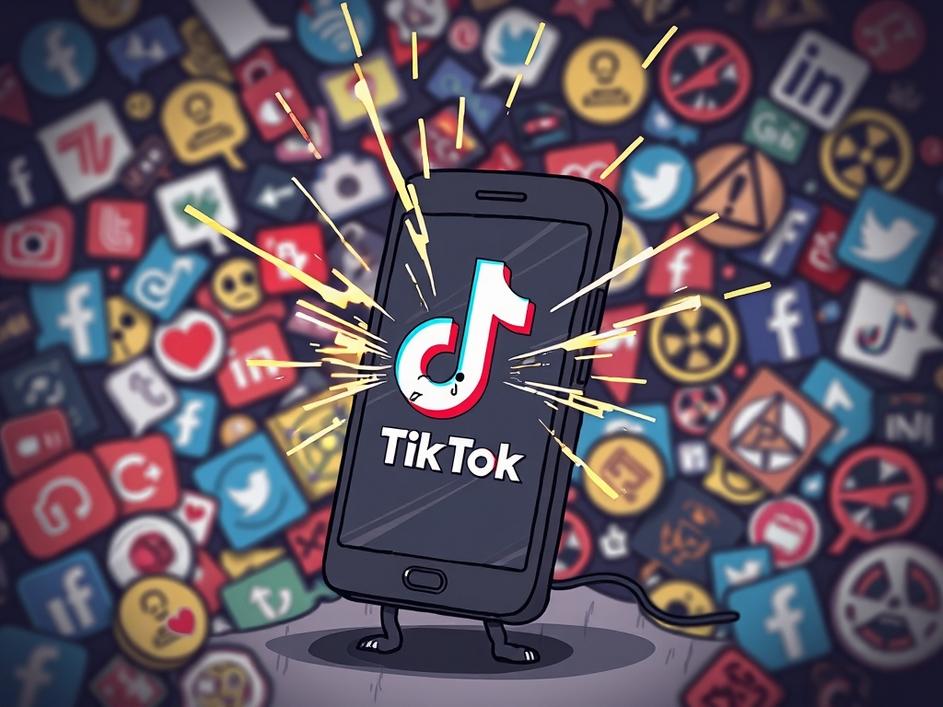
ToggleFor a little over a day, TikTok users experienced a range of frustrating issues. Feeds wouldn’t refresh, videos failed to upload, and some users even reported being unable to log in at all. Naturally, panic ensued. In today’s world, when our favorite social media platform stumbles, it feels like a digital apocalypse. But what was really going on behind the scenes?
The initial reaction across social media wasn’t exactly calm and rational. Rumors started swirling, fueled by the app’s already complicated relationship with the US government. Some users speculated that the glitches were a form of censorship, a deliberate act tied to ongoing political tensions. Was TikTok being silenced? Was this the beginning of the end for the platform in the United States? As it turns out, the reality was far less dramatic, though no less impactful to the millions who rely on the app for entertainment and connection.
TikTok USDS eventually stepped forward to clarify the situation: the problems were the result of a power outage at one of their data centers. A simple, albeit inconvenient, explanation. But in the age of misinformation, simple explanations often get lost in the noise. The outage serves as a reminder of the infrastructure that supports our digital lives and how vulnerable it can be. We often take for granted the seamless experience of scrolling through our feeds, oblivious to the complex systems working behind the scenes to deliver that content.
So why the rush to conspiracy theories? Several factors are at play. First, TikTok has been under intense scrutiny in the United States due to concerns about data privacy and its ties to the Chinese government. This existing tension creates a fertile ground for suspicion. Second, social media thrives on speculation and conjecture. A lack of official information allows rumors to spread like wildfire, often amplified by algorithms that prioritize engagement over accuracy. It’s far more exciting to believe in a grand conspiracy than a mundane power outage. And third, people are becoming increasingly distrustful of large tech companies. This distrust, fueled by concerns about data privacy, censorship, and the spread of misinformation, makes it easy to assume the worst when something goes wrong.
This incident highlights our growing reliance on social media platforms. For many, TikTok isn’t just a source of entertainment; it’s a primary means of communication, a platform for self-expression, and even a source of income. When these platforms fail, it can have real-world consequences. Moreover, the speed at which misinformation spreads online underscores the importance of critical thinking and media literacy. It’s crucial to question the information we encounter online, to seek out reliable sources, and to avoid jumping to conclusions based on unsubstantiated rumors. It is so easy to assume any ‘glitch’ is a hack, or any technical fault is part of some hidden agenda.
Several key takeaways emerge from this TikTok incident. First, transparency matters. Companies need to be proactive in communicating with their users during outages or disruptions. Clear and timely information can help to quell rumors and build trust. Second, we need to be more aware of the infrastructure that supports our digital lives. Understanding the complexities of data centers and network infrastructure can help us to appreciate the reliability (and fragility) of the internet. Finally, we need to cultivate critical thinking skills and media literacy. In an age of information overload, it’s essential to be able to discern fact from fiction.
The TikTok outage, while relatively short-lived, serves as a valuable lesson. It highlights the importance of robust infrastructure, transparent communication, and critical thinking in the digital age. As we become increasingly reliant on social media platforms, it’s crucial to build a more resilient and responsible digital ecosystem. This includes holding tech companies accountable for their actions, promoting media literacy education, and fostering a culture of skepticism and inquiry.
Will this incident have a lasting impact on TikTok? Probably not. Social media users are notoriously forgiving, and the platform will likely bounce back quickly. However, the incident serves as a reminder of the challenges facing all social media companies: maintaining reliable infrastructure, managing misinformation, and building trust with their users. The power outage may have been a minor inconvenience, but the response to it reveals deeper anxieties about the role of social media in our lives.
In conclusion, TikTok’s glitchy week was a perfect storm of technical malfunction, political tension, and online speculation. While the power outage was the immediate cause, the incident exposed deeper issues about our reliance on social media, the spread of misinformation, and the importance of critical thinking. As we navigate the ever-evolving digital landscape, it’s crucial to approach information with a healthy dose of skepticism, to question assumptions, and to seek out reliable sources. Only then can we avoid falling prey to the latest online panic and make informed decisions about the technology we use.

Comments are closed