

We are a digital agency helping businesses develop immersive, engaging, and user-focused web, app, and software solutions.
2310 Mira Vista Ave
Montrose, CA 91020

2500+ reviews based on client feedback
What's Included?
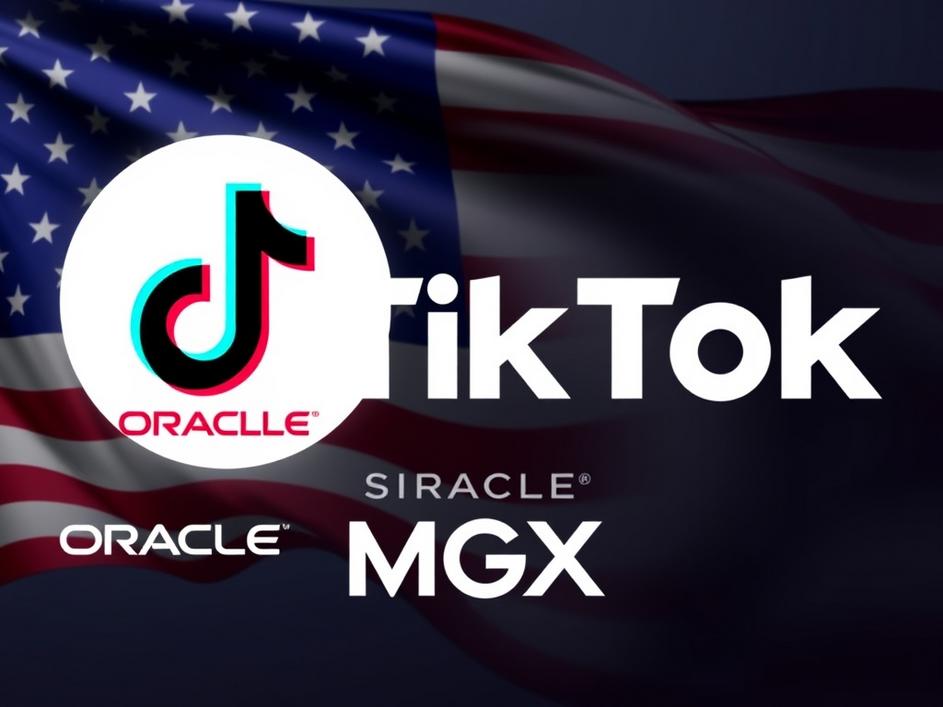
ToggleFor those of us who thought the TikTok drama was over, think again. The popular video-sharing app, known for its viral dances and short, snappy content, is once more making headlines. This time, it’s not about potential bans, but about who might actually own a piece of its US operations. The story has been developing rapidly, and it looks like a consortium of investors is poised to take the reins, or at least a significant portion of them.
The names being thrown around are quite impressive. Oracle, the tech giant known for its database software, is reportedly in the mix. Then there’s Silver Lake, a private equity firm with a knack for tech investments. And don’t forget MGX, another investment company looking to get in on the action. The exact breakdown of ownership isn’t entirely clear yet, but the fact that these players are involved suggests a serious shift in TikTok’s US strategy.
So, why should you care about who owns TikTok? Well, for starters, it could significantly impact the kind of content you see and how the platform operates. Different owners have different priorities. A tech company like Oracle might focus on data security and infrastructure, while a private equity firm might be more interested in maximizing profits. These differing goals could lead to changes in the app’s algorithms, advertising policies, and even its overall user experience. And it may change which influencers we see most. When one investor like that takes charge, their investment will take charge.
This potential sale also highlights the ongoing tension between technology, national security, and international relations. TikTok’s parent company, ByteDance, is based in China, which has raised concerns among US lawmakers about data privacy and potential censorship. The involvement of US-based investors could be seen as a way to address these concerns, reassuring users that their data is safe and that the platform is not subject to undue influence. But is this just a clever maneuver to pacify regulators, or a genuine commitment to transparency and accountability? That remains to be seen, but is a question that still needs to be answered.
For the average TikTok user, the most immediate impact might be subtle changes to the app’s features and content. Perhaps you’ll see more targeted advertising, or maybe the algorithm will start prioritizing different types of videos. It’s also possible that the new owners will invest in improving the platform’s security and privacy features, which would be a welcome development for everyone. There could even be an investment in new features. But the user base has to be careful about this, because there are a lot of predatory things that these apps could add.
The sale of TikTok’s US assets is more than just a business deal; it’s a reflection of the complex relationship between technology, politics, and culture. It’s a story that involves powerful companies, national security concerns, and the everyday lives of millions of users who simply enjoy sharing and watching videos. And it’s a story that is still unfolding. What will happen if other platforms will begin following this model as well? And what are the potential consequences?
Despite the potential benefits, the road ahead may not be smooth. Integrating TikTok’s US operations with a new ownership structure could be a logistical and technical challenge. There’s also the risk of cultural clashes between the different companies involved, which could lead to disagreements about the platform’s direction. And let’s not forget the ever-present threat of regulatory hurdles, which could further complicate the process. Navigating these challenges will require careful planning, effective communication, and a willingness to compromise. There are also the potential security risks as well.
Ultimately, the success of this deal will depend on whether the new owners can strike a balance between innovation, profitability, and responsibility. They’ll need to reassure users that their data is safe, address concerns about censorship, and continue to provide a platform that is both entertaining and engaging. If they can do that, then TikTok’s US future looks bright. But if they stumble, the platform could face even more challenges down the road. It’s a high-stakes game, and the world is watching closely. So many want to be involved and they may even invest more in the platform.



Comments are closed