

We are a digital agency helping businesses develop immersive, engaging, and user-focused web, app, and software solutions.
2310 Mira Vista Ave
Montrose, CA 91020

2500+ reviews based on client feedback
What's Included?
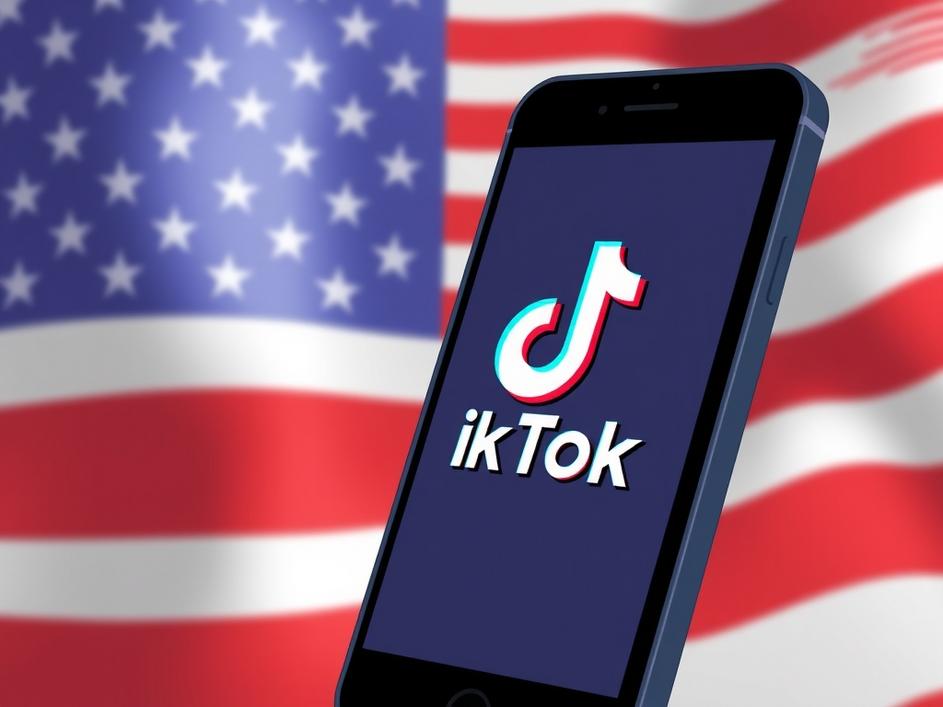
ToggleThe ongoing story of TikTok in the United States has taken another major turn. To avoid a potential ban, ByteDance, TikTok’s parent company, has reportedly agreed to sell a significant portion – over 80% – of TikTok’s US assets. This move signals a major shift in the app’s ownership and operations within the country, raising questions about its future and the implications for its millions of users.
The group of investors poised to take control includes Oracle, Silver Lake, and MGX. Oracle’s involvement is particularly interesting, given its expertise in data management and cloud computing. This suggests a focus on ensuring the security and privacy of user data, a key concern that has fueled much of the scrutiny surrounding TikTok. Silver Lake, a private equity firm, brings financial expertise and experience in guiding technology companies. And MGX’s strategy is to promote the digital marketplace. The sale to these entities could ease some of the concerns that American user data might be accessed by the Chinese government.
For the millions of Americans who use TikTok daily, the immediate impact might be minimal. The app will likely continue to function as it always has. However, behind the scenes, the change in ownership could lead to significant changes. There might be new policies regarding data privacy, content moderation, and even the algorithm that determines what videos users see. The new owners might want to promote the app, which could mean changes to advertising.
TikTok has become more than just a social media platform; it’s a cultural phenomenon. It’s a place where trends are born, music goes viral, and creators find an audience. It’s been used for all kinds of things, from silly dances to sharing important information. Any major changes to the app could have a ripple effect on online culture and the way people connect with each other.
This deal highlights the complex intersection of technology, business, and international relations. The concerns surrounding TikTok stemmed from its ownership by a Chinese company and the potential for data security risks. This situation has raised broader questions about the role of foreign-owned social media platforms in the US and the need for clear regulations to protect user data and national security. Similar issues are brewing now with other international platforms.
The sale of TikTok’s US assets could reshape the competitive landscape of the short-form video market. With a new ownership structure, TikTok will likely face increased pressure to demonstrate its commitment to data security and transparency. This could create opportunities for other platforms to gain market share, particularly those that prioritize user privacy. Facebook and other platforms have released competing short-form video programs. It’s still too early to tell how the new ownership of TikTok will affect the market.
Taking over such a popular and complex platform won’t be without its challenges. The new owners will need to navigate a tricky path, balancing the need to address security concerns with the desire to maintain the app’s appeal to its users. They’ll also need to deal with the ever-changing world of social media and technology. They’ll also need to work to keep creators happy so they continue to create content for the app.
The agreement to sell TikTok’s US assets marks a significant turning point in the app’s history. While the long-term implications remain to be seen, it’s clear that TikTok is entering a new era under American control. The success of this transition will depend on the ability of the new owners to address security concerns, maintain the app’s vibrant community, and adapt to the evolving digital landscape. The world will be watching to see what happens next.



Comments are closed