

We are a digital agency helping businesses develop immersive, engaging, and user-focused web, app, and software solutions.
2310 Mira Vista Ave
Montrose, CA 91020

2500+ reviews based on client feedback
What's Included?
ToggleOkay, so I’ve been down the rabbit hole of energy efficiency again. This time, it’s all about water heating. Our current gas water heater is… fine. It does its job. But the thought of ditching gas altogether is incredibly tempting. I saw something about a 120V tankless electric water heater, and my brain started doing mental gymnastics. It’s more expensive than a tank, and it might cost even more to operate, but I am still thinking of getting one.
The biggest appeal of a tankless system is the ‘tankless’ part. No more giant metal cylinder hogging space in the basement! We could reclaim that corner for… well, I don’t know what yet, but the possibilities are endless. And no more worrying about the tank rusting out and flooding the place in the middle of the night. That’s a genuine fear, by the way. I’ve seen it happen to friends. It isn’t pretty. Think about it, all you have is endless hot water on demand.
Then there’s the gas bill. We’re not huge gas users, but every little bit counts, right? The idea of shaving off even a small percentage of our monthly bill is attractive. Plus, there’s the environmental aspect. Burning less fossil fuels is always a good thing, even if our contribution is tiny in the grand scheme of things. I’m aware that electricity comes from somewhere, often from fossil fuels too, but it feels like a step in the right direction. I know I can’t save the world with just one water heater, but I can certainly start to change my own environmental footprint.
Now, the 120V thing is interesting. Most tankless electric heaters require 240V, which means running a new electrical line. That’s a whole different level of expense and hassle. But a 120V unit? That plugs right into a standard outlet! Sounds too good to be true, doesn’t it? And, of course, there’s a catch. A 120V tankless heater is going to have a limited flow rate. You’re not going to be running multiple showers at the same time with one of these things. It’s for smaller applications.
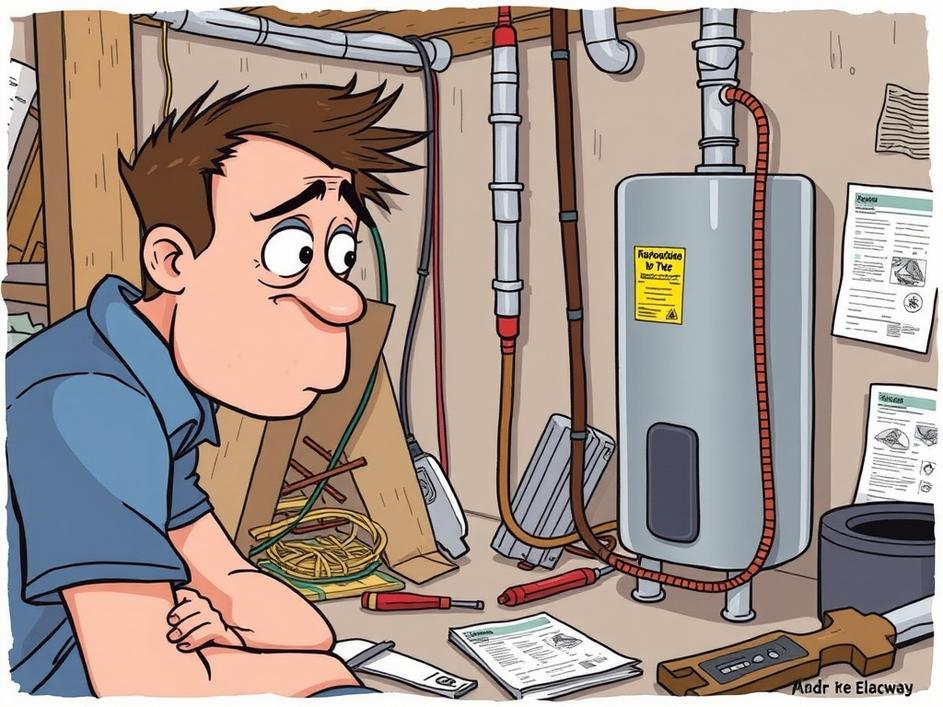
Here’s where the rubber meets the road. Let’s be real, a 120V tankless water heater is probably only practical for a single point-of-use application. Think a small bathroom sink, or maybe a remote wet bar. Trying to power a whole house with one of these would be a recipe for lukewarm showers and general frustration. I can already picture my wife’s face when she experiences cold water when trying to take a bath. It’s crucial to consider the actual power requirements and whether your existing electrical system can handle the load without tripping breakers every five minutes. I can already see myself heading down to the basement to flip the breaker switch, and I don’t want that.
The initial cost of the unit itself is just the beginning. You also have to factor in installation. Even though it’s 120V, you might need to upgrade the wiring to handle the increased load. And then there’s the ongoing cost of electricity. Electric heat is notoriously expensive, so even though you’re ditching the gas bill, you could end up paying more in the long run. It’s a balancing act. I plan to analyze all the details before deciding to purchase the water heater, and this will include a careful analysis of the costs.
I’m fairly handy, but plumbing and electrical work are areas where I tend to err on the side of caution. Messing with water and electricity can have some serious consequences, so this might be a job best left to the professionals. That adds another layer of expense to the equation. Hiring someone to install a simple water heater can easily double the overall cost, but it’s better than electrocuting myself.
So, after all this pondering, where do I stand? Honestly, I’m still on the fence. The idea of ditching gas is appealing, but the practicality of a 120V tankless system for our needs is questionable. It might make sense for a specific, limited application, but it’s not a whole-house solution. I think I need to do some more research, crunch some more numbers, and maybe even consult with a plumber and electrician before making a final decision. Perhaps a more efficient gas tank is the best route. Sometimes the simplest solution is the best. At least I can avoid all these electrical issues.
For now, I’m going to hold off on the tankless dream. It’s not that it’s a bad idea, it’s just not the right time (or voltage) for us. Maybe in the future, as technology improves and electricity prices come down, it will become a more viable option. But for now, I’ll stick with our trusty gas water heater and keep dreaming of that reclaimed space in the basement. And maybe buy a really good sump pump. You know, just in case that old tank decides to give out one night.



Comments are closed