

We are a digital agency helping businesses develop immersive, engaging, and user-focused web, app, and software solutions.
2310 Mira Vista Ave
Montrose, CA 91020

2500+ reviews based on client feedback
What's Included?
ToggleTransit Technologies’ recent acquisition of Vehicle Installs isn’t just another business deal; it’s a strategic move to enhance the entire customer experience. For those unfamiliar, Transit Technologies provides tech solutions for public sector, fleet, campus, K-12 and motorcoach clients. Think software and hardware that help manage everything from vehicle tracking to passenger information systems. Vehicle Installs, on the other hand, specializes in… well, installing vehicle technology. Bringing these two companies together makes a lot of sense, and here’s why.
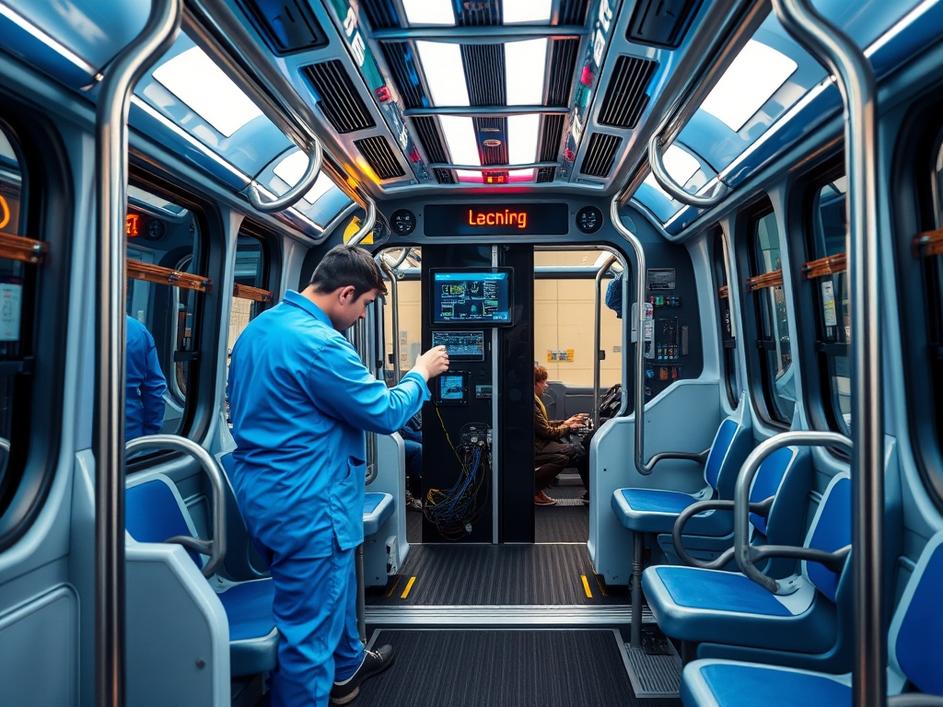
One of the biggest challenges in implementing new technology, especially in vehicles, is the installation process. It can be complex, time-consuming, and often requires specialized skills. Imagine a school district trying to outfit its entire bus fleet with new GPS tracking and passenger safety systems. They have to coordinate schedules, find qualified installers, and ensure everything is done correctly. This acquisition aims to eliminate those headaches. By bringing installation expertise in-house, Transit Technologies can offer a more streamlined, end-to-end solution. This means less hassle for clients and faster deployment times.
Beyond just convenience, this acquisition also promises greater consistency. When installations are outsourced, there’s always a risk of variability in quality. Different installers might have different approaches, leading to inconsistencies in how the technology is implemented and how well it performs. By having a dedicated installation team, Transit Technologies can ensure that every system is installed to the same high standards. This is particularly important for safety-critical applications, where reliability is paramount. Standardized installation also makes maintenance and troubleshooting easier down the road. Technicians know exactly how the system was installed, which speeds up the diagnostic process.
This acquisition signals a shift towards a more holistic approach to technology solutions. Transit Technologies is recognizing that providing the technology itself is only half the battle. Ensuring that it’s properly installed and integrated is just as important. This is a lesson that many technology companies are learning: that the customer experience extends far beyond the initial purchase. It encompasses every step of the process, from initial consultation to ongoing support. By controlling the installation process, Transit Technologies can better manage the entire customer journey and ensure a positive outcome.
So, what does this acquisition mean for the broader transportation technology industry? It suggests a growing emphasis on integrated solutions and a move away from piecemeal approaches. Clients are increasingly looking for vendors who can provide everything they need, from hardware and software to installation and support. This puts pressure on other technology companies to either expand their own capabilities or form partnerships to offer a more complete solution. We might see more mergers and acquisitions in the coming years as companies try to keep up with this trend. The ultimate winner will be the customer, who benefits from simpler, more reliable, and more comprehensive technology solutions.
While the acquisition appears strategically sound, there are potential challenges. Integrating two separate companies always involves cultural and operational hurdles. Transit Technologies will need to effectively manage the integration process to ensure a smooth transition and avoid disruptions to service. They’ll also need to invest in training and development to ensure that the Vehicle Installs team is fully aligned with Transit Technologies’ standards and procedures. However, if they can successfully navigate these challenges, the acquisition could unlock significant opportunities for growth and innovation. For example, having in-house installation expertise could allow Transit Technologies to develop new and more complex technology solutions that require specialized installation techniques.
It’s also crucial to acknowledge the importance of skilled technicians in this equation. Technology is only as good as the people who install and maintain it. Transit Technologies’ investment in Vehicle Installs is, in essence, an investment in human capital. Finding and retaining qualified technicians is a challenge in many industries, and transportation technology is no exception. Transit Technologies will need to create a supportive and rewarding work environment to attract and retain the best talent. This includes competitive salaries, opportunities for professional development, and a culture that values expertise and innovation. The success of this acquisition hinges on the skills and dedication of the technicians who are on the front lines, ensuring that the technology works seamlessly and reliably.
In conclusion, Transit Technologies’ acquisition of Vehicle Installs is a smart move that addresses a critical pain point in the technology deployment process. By bringing installation expertise in-house, they can offer a more streamlined, consistent, and reliable solution for their clients. This acquisition reflects a broader trend towards integrated solutions and a focus on the entire customer experience. While there are challenges to overcome, the potential benefits are significant. As the transportation technology industry continues to evolve, we can expect to see more companies adopting similar strategies to provide more comprehensive and customer-centric solutions. The future of transit technology is about seamless integration, and Transit Technologies is positioning itself to be a leader in that future.



Comments are closed