

We are a digital agency helping businesses develop immersive, engaging, and user-focused web, app, and software solutions.
2310 Mira Vista Ave
Montrose, CA 91020

2500+ reviews based on client feedback
What's Included?
ToggleTravis Kalanick, the once-embattled CEO of Uber, is charting a new course far removed from the digital realm of ride-sharing. His latest venture focuses on industries deeply rooted in the physical world. This move signals a significant shift in Kalanick’s focus, and perhaps a broader trend of tech leaders recognizing the enduring value of tangible assets and real-world solutions.
The tech world often talks about “bits” – the digital information that fuels software, apps, and online platforms. Kalanick’s new direction, and the perspective of investors like Joe Fath at Eclipse, centers on “atoms” – the physical building blocks of the world around us. This isn’t just about nostalgia for older industries; it’s about recognizing the immense potential for innovation and disruption in sectors that have been relatively untouched by the tech boom.
While many tech companies chase the next viral app or social media platform, there’s a growing recognition that fundamental industries like manufacturing, logistics, and construction are ripe for modernization. These sectors, often perceived as “unsexy,” represent enormous markets with pressing needs for efficiency, automation, and sustainability. Kalanick’s investment in these areas suggests he sees an opportunity to apply his entrepreneurial drive and tech-savvy to solve real-world problems and build enduring businesses.
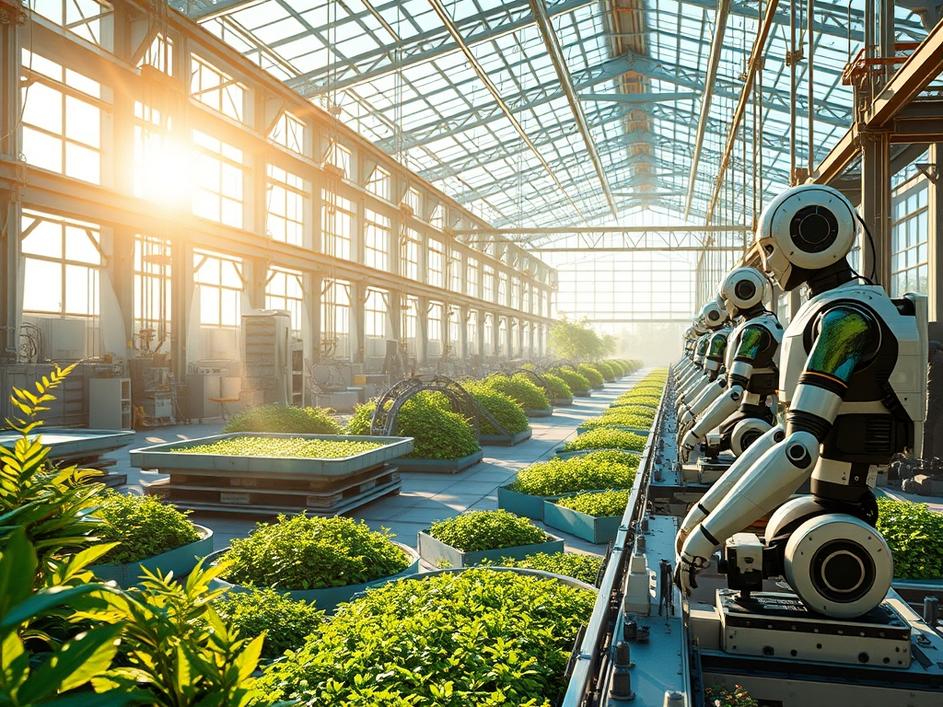
So, what does this “atoms” focus actually look like? It could involve developing advanced robotics for manufacturing, creating more efficient supply chain management systems, or designing sustainable building materials. The possibilities are vast. Unlike the rapidly changing landscape of the digital world, the demand for physical goods and infrastructure remains constant, offering a more stable and predictable foundation for long-term growth.
Of course, investing in “atoms” isn’t without its challenges. Unlike software, which can be quickly iterated and deployed, physical products require significant capital investment, longer development cycles, and complex regulatory hurdles. Building a manufacturing plant is a vastly different undertaking than launching a mobile app. It also requires a different type of expertise. Kalanick and other investors will need to assemble teams with deep knowledge of these industries to navigate the complexities and ensure success.
One of the most compelling aspects of this shift towards “atoms” is the potential for creating a more sustainable future. By focusing on industries like renewable energy, sustainable agriculture, and efficient transportation, tech companies can contribute to addressing some of the world’s most pressing environmental challenges. This isn’t just about profit; it’s about building businesses that have a positive impact on the planet.
The tech world is often driven by hype and fleeting trends. The focus on “atoms” represents a move towards grounded, practical solutions that address real-world needs. This shift could lead to a more balanced and sustainable tech ecosystem, one that values both digital innovation and tangible progress. It also suggests a maturing of the tech industry, as it moves beyond simply creating new apps and platforms to tackling more fundamental challenges.
Travis Kalanick’s career has been marked by disruption and controversy. His latest venture offers an opportunity to redefine his legacy, moving from disrupting established industries to building lasting solutions. Whether he succeeds remains to be seen, but his focus on the tangible world signals a potentially important shift in the tech industry’s priorities and investment strategies. It will be fascinating to see how this “atoms” revolution unfolds and the impact it has on our world.


Comments are closed