

We are a digital agency helping businesses develop immersive, engaging, and user-focused web, app, and software solutions.
2310 Mira Vista Ave
Montrose, CA 91020

2500+ reviews based on client feedback
What's Included?
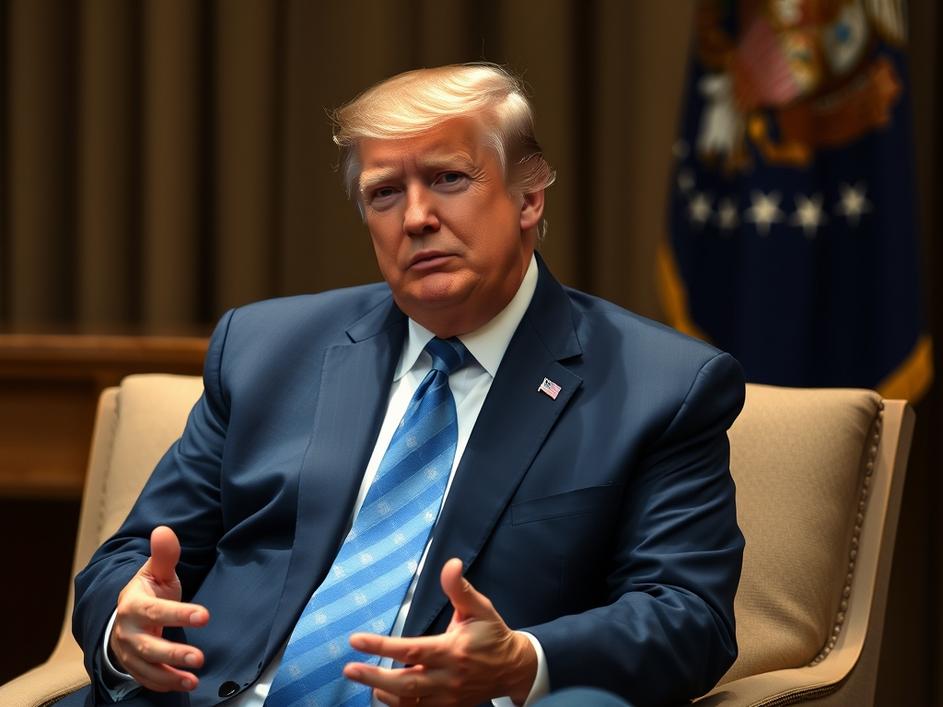
TogglePresident Trump recently sat down with NBC News anchor Tom Llamas for an exclusive interview, and two key topics emerged: the growing concerns surrounding job displacement due to artificial intelligence and the ongoing United States involvement in Venezuela. The discussion about AI and job losses is particularly timely, as advancements in AI technology are rapidly changing the landscape of various industries. Many people are starting to wonder if robots and algorithms will eventually take over a significant portion of the workforce, leaving many unemployed. It’s a valid fear, and one that leaders need to address head-on.
During the interview, Trump acknowledged the potential for AI to disrupt the job market. However, his stance seemed to be one of cautious optimism. While recognizing the challenges, he also emphasized the potential for AI to create new opportunities and improve productivity. He suggested that the focus should be on adapting to these changes through education and retraining programs, ensuring that workers have the skills necessary to thrive in an AI-driven economy. He said that the government would make sure to help people get retrained. It’s a good idea, but hard to put into action when you think about it, because technology evolves so fast that the retraining programs might be out of date even as they are being taught.
While the President’s perspective is important, it’s crucial to consider the broader context. The impact of AI on employment isn’t just about retraining. It’s about the fundamental shift in the types of jobs available. Many routine and repetitive tasks are already being automated, and this trend is only likely to accelerate. This means that workers need to develop skills that are harder to automate, such as critical thinking, creativity, and complex problem-solving. Furthermore, there’s a growing need for individuals who can work alongside AI systems, understanding how to manage and optimize their performance. The real question is whether our education system can adapt quickly enough to prepare the workforce for these changes.
The interview also touched upon the U.S. involvement in Venezuela. The political and economic situation in Venezuela has been deteriorating for years, leading to widespread poverty, social unrest, and a humanitarian crisis. The U.S. has been a vocal critic of the Maduro regime and has imposed sanctions in an effort to pressure it to hold free and fair elections. The interview likely covered the complexities of this situation, including the potential for military intervention and the role of other international actors. Trump’s view on Venezuela has shifted a lot over the years. It is important to watch what he does, not what he says.
It’s likely the interview explored the U.S. strategy for addressing the crisis in Venezuela. This could involve a combination of diplomatic pressure, economic sanctions, and humanitarian aid. The U.S. has also been working with regional partners to find a peaceful resolution to the conflict. However, the situation remains volatile, and there’s no easy solution in sight. A key challenge is finding a way to ensure a transition to democracy without further destabilizing the country. This is a tough balance to strike, and it requires careful diplomacy and a deep understanding of the underlying dynamics. The whole region is so unstable that it makes predicting the future very difficult.
Looking at both the AI discussion and the Venezuela situation, the interview provides some insights into Trump’s overall approach to policy. He often presents a confident and optimistic view, even in the face of complex challenges. He tends to emphasize the potential for positive outcomes while downplaying the risks. This approach can be both appealing and concerning. On the one hand, it can inspire confidence and encourage action. On the other hand, it can lead to a lack of preparedness for potential problems. It would be great if Trump took more advice from experts, but it seems like he usually goes with his gut feelings.
Ultimately, the interview highlights the challenges facing leaders in a rapidly changing world. From the rise of AI to complex geopolitical crises, leaders need to be able to navigate uncertainty, adapt to new realities, and make difficult decisions. They also need to be able to communicate effectively with the public, explaining their strategies and addressing their concerns. This requires a combination of vision, competence, and empathy. It’s a tall order, and it’s something that voters should keep in mind when choosing their leaders. These are not the problems of yesterday, or even of today. We need to elect people who can see what is coming.
The interview with President Trump offers a glimpse into the key issues shaping our world. The rise of AI and the ongoing crisis in Venezuela are just two examples of the complex challenges that leaders face today. As citizens, it’s important to stay informed, engage in thoughtful discussions, and hold our leaders accountable. The future depends on our ability to navigate these challenges effectively and work towards a more just and prosperous world for all. The only way to make good decisions is to stay informed and to think critically about the information we are given. Don’t just accept what you are told, but question it and form your own opinions. It’s your future, so take control of it.


Comments are closed