

We are a digital agency helping businesses develop immersive, engaging, and user-focused web, app, and software solutions.
2310 Mira Vista Ave
Montrose, CA 91020

2500+ reviews based on client feedback
What's Included?
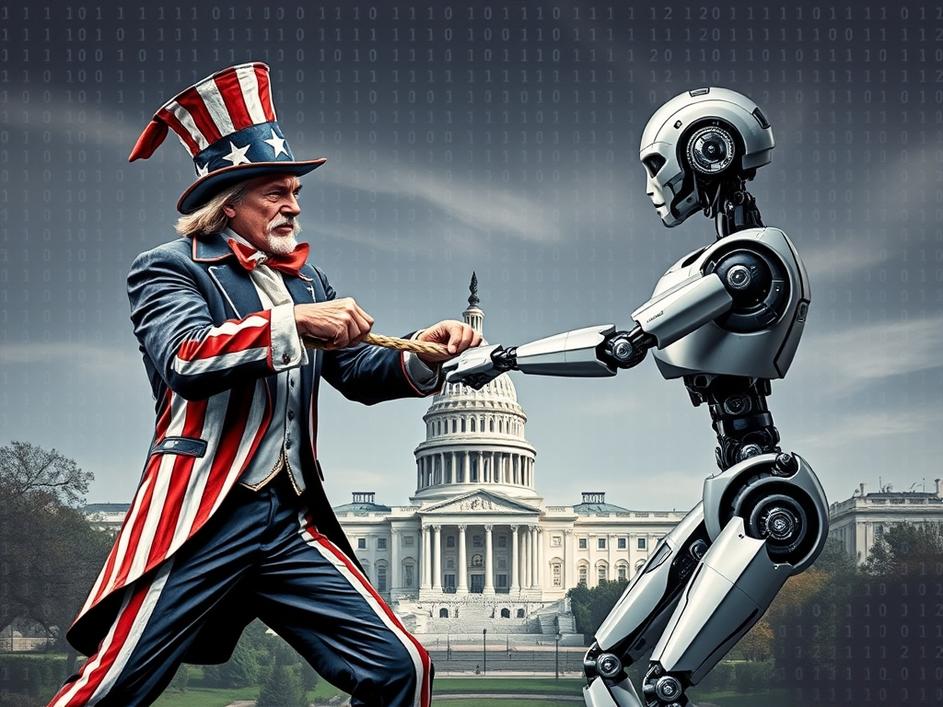
ToggleDonald Trump has recently unveiled a “Rate Payer Protection Pledge” aimed squarely at addressing the growing energy demands of artificial intelligence. As AI becomes more integrated into our daily lives – powering everything from chatbots to streaming services – the immense data centers that fuel these technologies are consuming ever-increasing amounts of electricity. Trump’s pledge seeks to shield everyday consumers from potentially skyrocketing energy bills resulting from this AI boom. The core idea is to implement policies that ensure AI development doesn’t come at the expense of affordable energy for households and businesses. It’s a promise to keep electricity costs in check even as AI continues to expand its reach.
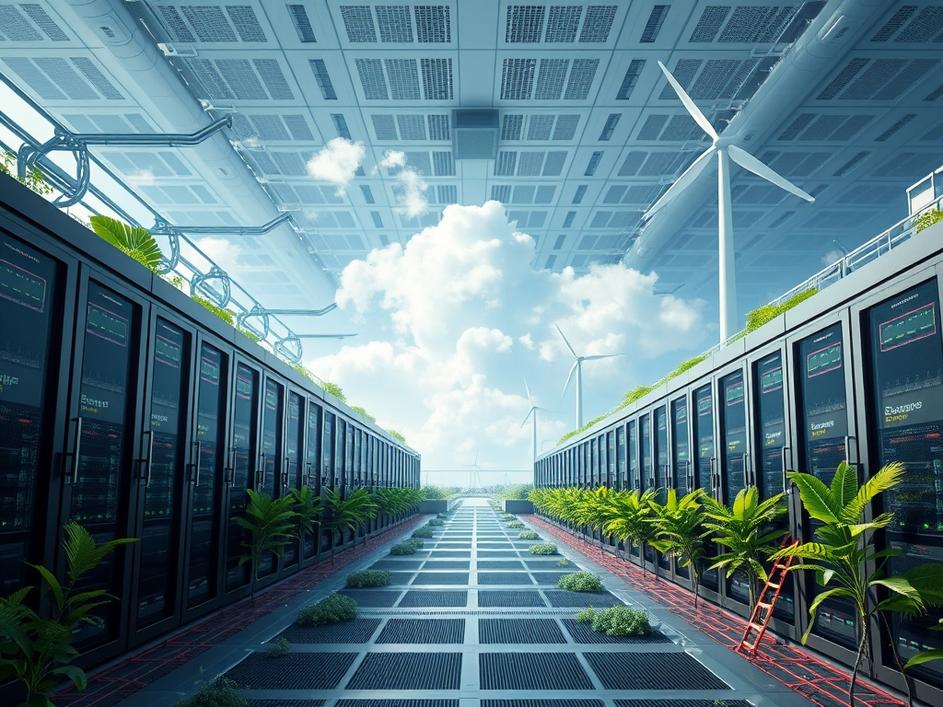
Most people don’t think about it, but every online action has an energy footprint. When you ask a question to a chatbot, watch a video, or store photos in the cloud, your request is processed by a data center. These facilities are essentially warehouses filled with computers working around the clock. And they require massive amounts of electricity to power the servers and keep them cool. As AI models grow more complex and data usage increases, these data centers need even more power. The concern is that this increased demand could strain existing energy grids and lead to higher prices for everyone.
If implemented effectively, Trump’s pledge could offer some real benefits. For starters, it could incentivize more efficient energy use within the AI industry. Data centers might be encouraged to adopt greener technologies or relocate to areas with cheaper, renewable energy sources. It could also spur innovation in energy storage and grid management, making the entire system more resilient. Perhaps most importantly, it could prevent a scenario where low-income households are disproportionately burdened by rising energy costs due to AI development. The pledge puts the energy needs of average citizens at the forefront, potentially forcing the AI industry to be more conscious of its environmental and economic impact.
However, there are potential downsides to consider. Overly strict regulations could stifle innovation in the AI sector, potentially hindering economic growth and delaying advancements in fields like healthcare and education. It’s a delicate balancing act: protecting consumers without crippling a rapidly evolving industry. One major challenge will be defining exactly what constitutes “fair” energy pricing in the context of AI. How do you accurately allocate the costs associated with AI-driven energy consumption? And who gets to make those decisions? Furthermore, any policy changes could face legal challenges and bureaucratic hurdles, slowing down implementation and creating uncertainty.
Trump’s pledge also raises broader questions about energy policy in the United States. Should the government prioritize fossil fuels or renewable energy sources? How do we balance environmental concerns with economic competitiveness? These are complex issues with no easy answers. Some argue that focusing on renewable energy is the best long-term solution, as it would reduce reliance on fossil fuels and lower carbon emissions. Others contend that fossil fuels are still necessary to meet current energy demands and maintain affordability. Ultimately, any effective energy policy must consider a variety of factors, including cost, reliability, environmental impact, and technological innovation.
There’s a geopolitical dimension to all of this as well. The countries that lead in AI development will likely have a significant economic and strategic advantage. If the United States imposes overly restrictive regulations on AI energy use, it could fall behind other nations, such as China, that are investing heavily in the technology. This could have implications for everything from national security to global competitiveness. So, any policy decisions must consider the broader geopolitical landscape and ensure that the United States remains a leader in AI innovation.
Regardless of your political views, Trump’s “Rate Payer Protection Pledge” has sparked an important conversation about the energy implications of artificial intelligence. As AI continues to evolve, it’s crucial to address its environmental and economic impact. Striking the right balance between fostering innovation and protecting consumers will be a major challenge in the years to come. This pledge serves as a reminder that technological progress should benefit everyone, not just a select few. By carefully considering the potential benefits and drawbacks, we can create policies that promote both AI innovation and affordable, reliable energy for all.
Ultimately, the success of any AI energy policy will depend on collaboration between government, industry, and consumers. Open dialogue and transparent decision-making are essential. It’s also important to invest in research and development to find more efficient and sustainable ways to power AI. This could involve exploring new energy sources, improving data center design, and developing AI algorithms that require less processing power. The future of AI depends on our ability to address these challenges effectively.


Comments are closed