

We are a digital agency helping businesses develop immersive, engaging, and user-focused web, app, and software solutions.
2310 Mira Vista Ave
Montrose, CA 91020

2500+ reviews based on client feedback
What's Included?
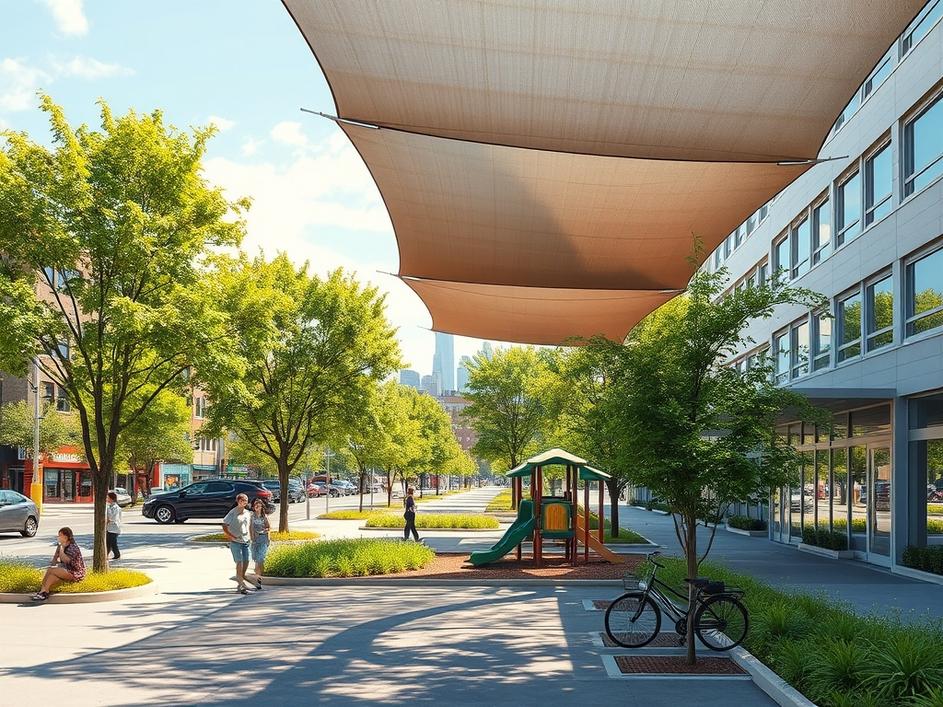
ToggleAs new plans surface, one trend stands out. City leaders want to turn blank spaces into green, breathable places. Parking lots, derelict lanes, and sun-soaked square blocks are getting a second chance. The aim is simple: fight heat, cut pollution, and create spaces where people can slow down. The heat problem is bigger than a single summer. Heat waves are longer and more intense. Asphalt traps heat and makes sidewalks feel hotter than the air around you. Trees and shade can help cool things off. A little green can make a big difference. The press release says this is about resilience, but people feel the change in daily life too. A breeze in the shade and a place to sit can change the mood of a whole block. The question is whether cities can pull off big changes without breaking the budget or leaving people behind.
In many towns, crews plant rows of trees along streets and put shade canopies over buses and sidewalks. Small parks pop up in former parking spaces. Permeable pavement lets rain soak through instead of pooling on the surface. Rain gardens catch runoff and help keep nearby streets cleaner. Solar-powered benches and lights mix with green walls and planters. Some places add misting features for hot days. The result is a friendlier route for pedestrians and cyclists. It’s all about small gains that add up. Funding comes from a mix of city money, grants, and bonds. Local groups help with design and outreach, making sure neighbors have a say. The plan also tries to respect renters and homeowners alike, so improvements stay useful for years to come.
Not every neighborhood starts from the same place. Wealthier blocks often get shade faster, while crowded parts worry about gentrification. That risk matters. If a new park makes an area more attractive, rents could rise. That pushes out people who already live there. So the early focus is to mix in shade and seats where most people live, not just in the city center. Maintenance is another issue. Trees need care; pavements must be kept clear of weeds; water features need cleaning. And there is the question of who pays long term. Cities may need steady budgets for upkeep, or the benefits fade. On balance, the idea should be about everyone sharing the gains and not a few lucky blocks getting all the perks.
The upfront price can be big. It includes buying trees, installing shade canopies, and reworking drainage. Some districts worry about the return on investment. Yet the costs may shrink over time as energy bills fall and air quality improves. The real test is maintenance. A tree planted today needs water, pruning, and sometimes replacement. If plans ignore maintenance, green spaces turn brown or dull. Another risk is misjudging the climate. Plants that don’t fit the area won’t last. Cities must pick hardy species and adapt plans to seasons and weather patterns. The path forward is not a straight line. It’s a loop, with pilots, reviews, and tweaks. If communities stay involved, the plan can stay useful for a long time.
Smaller places often try bolder things because they face less red tape. When a city with a tight budget sees a successful tree-lined street, other towns take note. The ripple effect matters. Local businesses benefit too, as more foot traffic and longer time outside can boost storefronts. Schools and libraries become anchors in the plan, adding shade and safe areas for study and play. The collaboration between planners, residents, and business groups builds new trust. It’s not just about trees. It’s about a new way to imagine public space. If a few pilots work, larger cities may copy them, with adjustments. The idea travels best when it feels practical and fair to people who walk, bike, or ride the bus every day.
Change like this is hopeful but not perfect. It asks cities to spend, plan, and rethink what a street can be. The goal should be clear: spaces that stay useful in heat, rain, and busy times. That means listening first, testing often, and fixing what doesn’t work. It also means keeping the human side alive. Green spaces should invite conversation, not competition for the best seat. If the plan stays humble and local, it can grow into something lasting. Climate action and daily life can share the same frame. So, yes, turning asphalt into shade is a good idea. It won’t fix everything, but it can make neighborhoods cooler, friendlier, and more capable of handling what comes next.

Comments are closed