

We are a digital agency helping businesses develop immersive, engaging, and user-focused web, app, and software solutions.
2310 Mira Vista Ave
Montrose, CA 91020

2500+ reviews based on client feedback
What's Included?
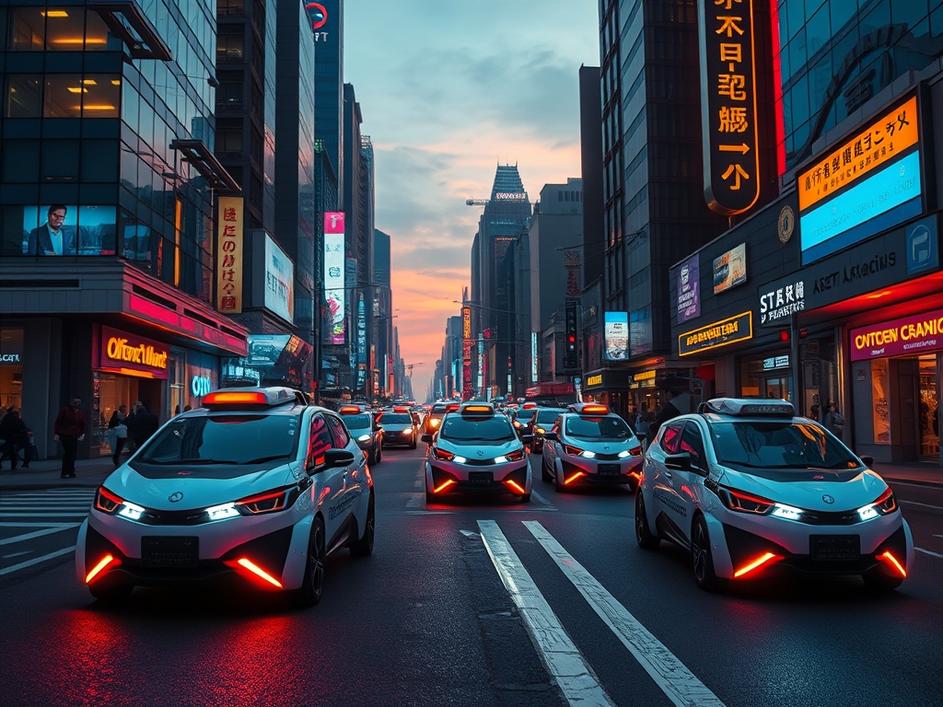
ToggleUber is reportedly throwing down a cool $10 billion into the robotaxi arena. That’s a serious chunk of change, signaling they’re not just playing around. This move intensifies the competition with other companies also vying for a piece of the autonomous driving pie. It seems like everyone is betting big on a future where cars drive themselves, and Uber doesn’t want to be left in the dust. This isn’t just about ride-hailing anymore; it’s about owning the future of transportation.
So, why such a massive investment? Well, developing self-driving technology is incredibly expensive. It requires cutting-edge research, tons of data, sophisticated algorithms, and rigorous testing. Uber needs to hire top engineers, build and maintain a fleet of test vehicles, and navigate a complex regulatory landscape. Plus, they need to convince the public that robotaxis are safe and reliable. The company also needs to stay ahead of competitors like Waymo, Cruise, and potentially even Tesla. Ten billion dollars might seem like a lot, but it’s likely what’s needed to seriously compete in this space. Moreover, if robotaxis become widespread, the savings in driver costs would eventually dwarf the initial investment, making the returns astronomical. If there are no drivers to pay, a much larger portion of each fare goes directly to the company.
The implications of widespread robotaxis extend far beyond just hailing a ride. Imagine a world with fewer accidents, reduced traffic congestion, and increased accessibility for people who can’t drive. Robotaxis could revolutionize logistics, delivery services, and even urban planning. Cities could redesign streets to accommodate fewer parking spaces and more pedestrian areas. And the environmental impact could be significant, with optimized routes and potentially a shift towards electric vehicles. This technology has the power to reshape our cities and our lives in profound ways. Delivery of products with this technology could significantly reduce costs. The elderly and others who have mobility issues could use the technology to maintain independence and improve quality of life.
Of course, the path to widespread robotaxis isn’t without its obstacles. Safety is a major concern, and there have been incidents involving self-driving cars that have raised serious questions. The technology still struggles in unpredictable situations, like bad weather or construction zones. Public perception is another hurdle. Many people are still hesitant to trust a car without a human driver. Ethical considerations also come into play. How should a robotaxi be programmed to handle unavoidable accident scenarios? Who is liable if something goes wrong? These are complex questions that need to be addressed before robotaxis can become truly mainstream. Additionally, governments need to decide how to regulate these vehicles. Laws regarding liability, insurance, and data privacy all need to be clarified.
One of the biggest concerns surrounding robotaxis is the impact on human drivers. Millions of people around the world earn a living driving taxis, buses, and delivery vehicles. What happens to them when these jobs are automated? This is a valid and important question. Some argue that new jobs will be created in areas like robotaxi maintenance, fleet management, and software development. However, it’s unlikely that these new jobs will fully replace the number of driving jobs lost. Retraining and social safety net programs will likely be necessary to help displaced workers transition to new careers. The societal impact of this change needs to be carefully considered to ensure a just and equitable transition.
Uber’s $10 billion investment is a clear indication that the race to autonomy is heating up. While it’s impossible to predict the future, it’s likely that the company that can develop the safest, most reliable, and most affordable robotaxi technology will ultimately come out on top. The regulatory environment and public acceptance will also play a crucial role. It’s a long and challenging road ahead, but the potential rewards are enormous. The future of transportation is being shaped right now, and Uber is determined to be a major player in that future. The technology could also be useful in dangerous situations where human drivers would be at risk, such as in war zones or areas with high crime rates.
The rise of robotaxis promises a fundamental shift in how we move around. The potential benefits are immense, from increased safety and efficiency to greater accessibility and reduced environmental impact. However, the transition will not be seamless. There are technological, ethical, and social challenges that need to be addressed. And it’s important to remember that this transformation will likely take time. It will probably be years, maybe even decades, before robotaxis become a common sight on our roads. But Uber’s massive investment suggests that the future is closer than we might think. The impact on local communities remains to be seen, as well as how small businesses might be affected. As the technology improves, it’s possible that rural communities might benefit from increased public transportation options. Even if fully autonomous vehicles remain a few years away, the technologies they are based on are still being applied to existing automobiles to make them safer and more efficient. These technologies are already being incorporated into trucks and buses, further improving public transportation. In the meantime, we should buckle up and prepare for the ride.


Comments are closed