

We are a digital agency helping businesses develop immersive, engaging, and user-focused web, app, and software solutions.
2310 Mira Vista Ave
Montrose, CA 91020

2500+ reviews based on client feedback
What's Included?
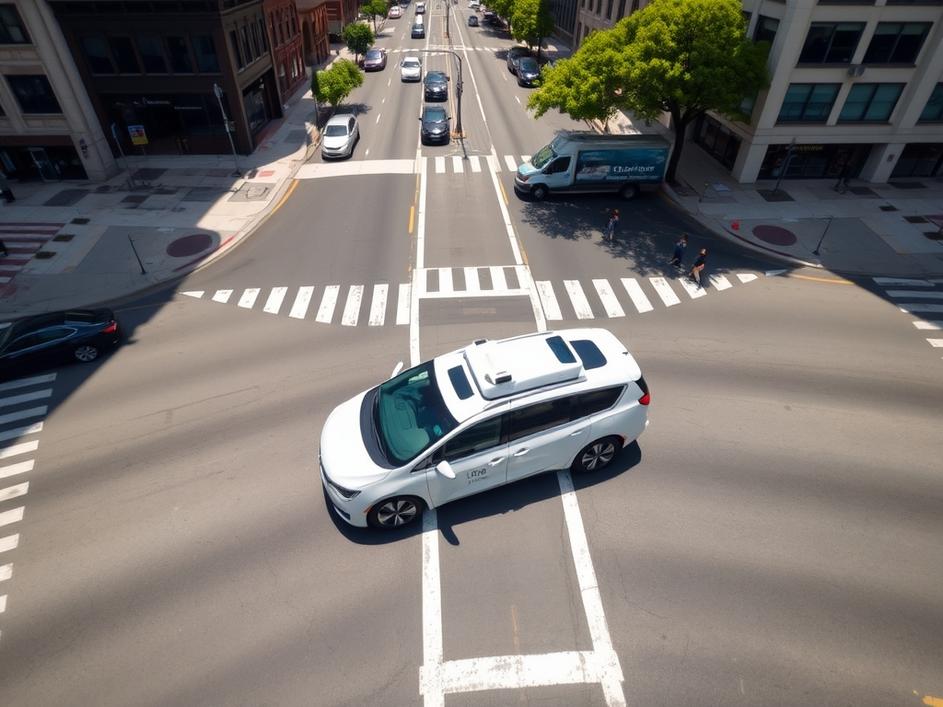
ToggleUber, the ride-hailing giant we all know, is making a renewed push into self-driving car technology. For those who don’t remember, they had a driverless car project way back in 2015. They were even considered a contender alongside Waymo and Tesla. But then, a terrible accident in 2018 brought everything to a screeching halt, leading to the project’s cancellation. Now, they’re trying to get back in the game, but the landscape has changed dramatically.
The 2018 incident, where a pedestrian was killed by an Uber self-driving vehicle, cast a long shadow. It wasn’t just a public relations nightmare; it raised serious questions about the safety and ethics of autonomous driving technology. The fallout was immense, and Uber understandably pulled back. But the company clearly believes that autonomous vehicles are still a crucial part of the future of transportation. The big question now is whether they can overcome the past and convince the public (and regulators) that their technology is safe and reliable.
Instead of building everything from scratch again, Uber seems to be taking a partnership approach this time around. They’re cutting deals with companies that are already deep in the autonomous vehicle space. This makes a lot of sense. Developing self-driving technology is incredibly complex and expensive. Partnering allows Uber to share the costs and risks, and to tap into the expertise of companies that have been working on this for years. It’s a smarter, more strategic approach than trying to go it alone.
Uber isn’t the only player in this game, not by a long shot. Waymo, Google’s self-driving car division, is arguably the leader in the field. Tesla, with its Autopilot system, has a huge amount of real-world driving data. And there are plenty of other companies, both big and small, vying for a piece of the autonomous vehicle pie. This intense competition means that Uber has a steep hill to climb if they want to become a major player in the self-driving market. They need to not only develop safe and reliable technology, but also differentiate themselves from the competition.
While ride-hailing is the most obvious application for self-driving cars, the potential goes far beyond that. Think about autonomous trucks for long-haul transportation, self-driving delivery vans, and even autonomous buses and public transit vehicles. The possibilities are endless. Uber likely sees self-driving technology as a way to expand its business into new markets and become a true transportation company, not just a ride-hailing app. This broader vision is what’s driving their renewed interest in autonomous vehicles.
Technology is only one piece of the puzzle. Autonomous vehicles also face significant regulatory hurdles. Governments need to develop clear rules and regulations for self-driving cars, covering everything from safety standards to liability in case of accidents. And perhaps even more importantly, Uber and other companies need to rebuild public trust in the technology. The 2018 accident damaged that trust, and it will take time and effort to restore it. Transparency, rigorous testing, and a commitment to safety will be crucial.
One area where Uber could potentially excel is data. As a ride-hailing company, they have access to a vast amount of data about how people move around cities. This data could be invaluable in developing and refining self-driving algorithms. Understanding traffic patterns, predicting pedestrian behavior, and optimizing routes are all areas where Uber’s data could give them a competitive edge. The challenge will be to use this data responsibly and ethically, while also protecting user privacy.
Uber’s renewed push into self-driving cars is ambitious, but it’s also fraught with challenges. They face intense competition, regulatory uncertainty, and the need to rebuild public trust. But the potential rewards are enormous. If they can overcome these obstacles, Uber could become a leader in the future of transportation. However, it’s going to be a long and winding road, and there are no guarantees of success. The company needs to demonstrate a clear commitment to safety, transparency, and responsible innovation. Only then can they truly put the past behind them and drive towards a driverless future.
It remains to be seen whether Uber can truly catch up in the self-driving car tech race. Their past missteps linger, and the competition is fierce. However, their data resources and new partnership-focused approach offer potential advantages. Success hinges on prioritizing safety, navigating regulatory landscapes, and regaining public trust. The road ahead is challenging, but with a renewed commitment to responsible innovation, Uber might just steer its way back into the forefront of autonomous vehicle technology.


Comments are closed