

We are a digital agency helping businesses develop immersive, engaging, and user-focused web, app, and software solutions.
2310 Mira Vista Ave
Montrose, CA 91020

2500+ reviews based on client feedback
What's Included?
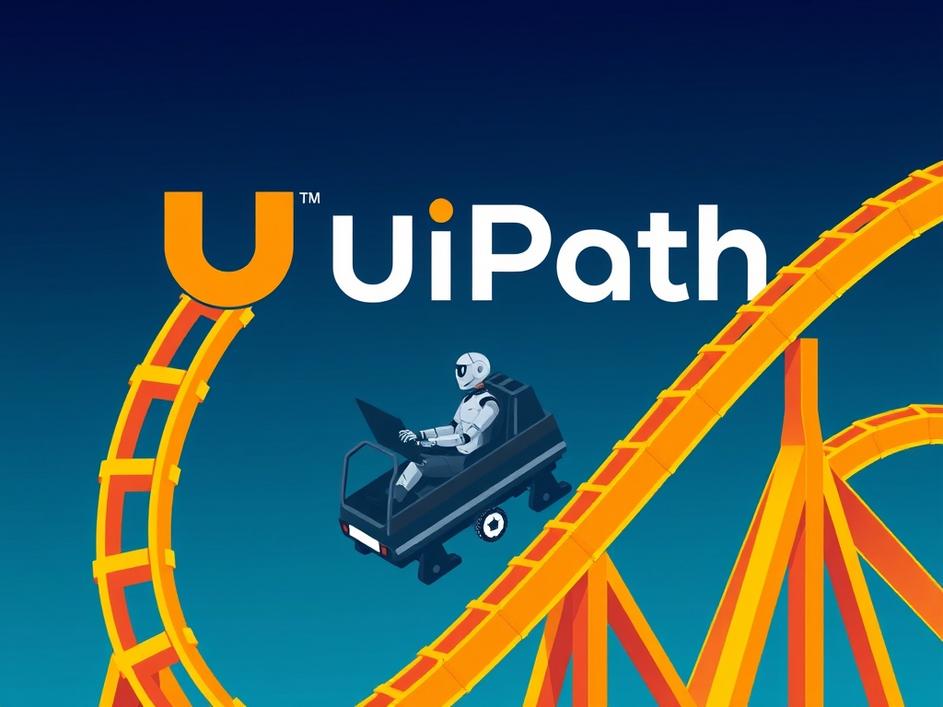
ToggleUiPath, the robotics process automation (RPA) giant, experienced a significant stock drop of around 16.5% despite announcing some seemingly positive news in late March 2026. The company revealed its first GAAP (Generally Accepted Accounting Principles) profit, initiated a stock buyback program, and pushed further into agentic AI. Usually, these kinds of announcements boost investor confidence, but in UiPath’s case, the market reacted negatively. Let’s try to untangle this puzzle.
First, it’s important to understand what UiPath actually said. The company achieved its first GAAP profitability, which means, according to standard accounting rules, they earned more than they spent. This is a major milestone for many tech companies, particularly those focused on growth. They also announced a stock buyback program. This is when a company uses its own cash to repurchase its shares from the open market. Buybacks can increase earnings per share and signal that the company believes its stock is undervalued. And they’re making advancements in the field of “agentic AI,” a type of AI that can autonomously complete complex tasks. So, on the surface, everything looks good.
So, why the stock drop? Several factors could be at play here. One possibility is that the market had already priced in these positive developments. In other words, investors were expecting a profit and AI push, and the actual news didn’t exceed those expectations by enough to warrant a higher valuation. Another reason could be concerns about future growth. Even with these advancements, the market might be skeptical about UiPath’s ability to maintain its growth rate in an increasingly competitive RPA landscape. There’s also the broader economic climate to consider. Market volatility and investor sentiment can heavily influence stock prices, regardless of a company’s performance. Concerns about interest rates, inflation, or global events could all contribute to a negative reaction.
UiPath’s push into agentic AI is interesting, but it’s also important to approach it with a degree of skepticism. AI is the buzzword of the decade, and many companies are rushing to incorporate it into their products and services. While agentic AI holds immense potential for automation and efficiency gains, it’s still a relatively nascent technology. There’s no guarantee that UiPath’s AI initiatives will be successful or that they will translate into significant revenue growth in the near term. Investors might be wary of the hype surrounding AI and are waiting to see concrete results before rewarding UiPath with a higher stock price. The development and deployment of effective AI solutions takes time, resources, and expertise, and the market may be factoring in the risks associated with this undertaking. How easily can their RPA development environment adapt to the changes? Are their developers ready to handle the transition?
Stock buybacks are often viewed positively, but they can also raise questions. Some critics argue that buybacks are a way for companies to artificially inflate their stock price instead of investing in research and development, employee training, or other long-term growth initiatives. While a buyback can boost short-term earnings per share, it doesn’t necessarily address underlying issues with a company’s business model or competitive position. It is worth pondering the amount spent on the buyback versus how much was spent on research and development. Was the buyback to appease investors or to improve operations? Furthermore, a buyback reduces the company’s cash reserves, which could limit its ability to make strategic acquisitions or weather economic downturns. If investors believe that UiPath is prioritizing short-term gains over long-term investments, they may react negatively to the buyback announcement.
Despite the recent stock drop, UiPath remains a major player in the RPA market. The company has a strong customer base, a proven track record of innovation, and a significant opportunity to capitalize on the growing demand for automation solutions. However, UiPath faces increasing competition from other RPA vendors, as well as from broader trends in cloud computing and AI. To succeed in the long term, UiPath needs to continue to innovate, expand its product offerings, and adapt to the evolving needs of its customers. The company also needs to manage its expenses effectively and demonstrate a clear path to sustainable profitability. The move to being GAAP profitable is a good start, but the market demands continual improvement.
The market’s reaction to UiPath’s news highlights the complexities of investing and the importance of looking beyond the headlines. While the company’s GAAP profit, buyback program, and AI push are all positive developments, they don’t guarantee future success. Investors need to carefully consider the company’s competitive landscape, growth prospects, and financial health before making investment decisions. Ultimately, UiPath’s long-term success will depend on its ability to execute its strategy effectively and deliver value to its customers and shareholders. It’s going to be interesting to see how the company navigates the challenges ahead and whether it can regain the market’s confidence.
So, while the immediate reaction to UiPath’s news might seem perplexing, a deeper dive reveals a more nuanced picture. The market’s skepticism could stem from a combination of factors, including already priced-in expectations, concerns about future growth, and the inherent risks associated with nascent technologies like agentic AI. The stock drop serves as a reminder that even positive news doesn’t always translate into immediate stock appreciation and that investors are often more concerned with long-term prospects than short-term gains. It is essential to realize that the market can be irrational in the short term, but fundamentals often prevail in the long term.
Comments are closed