The Growing Concern for Farmers
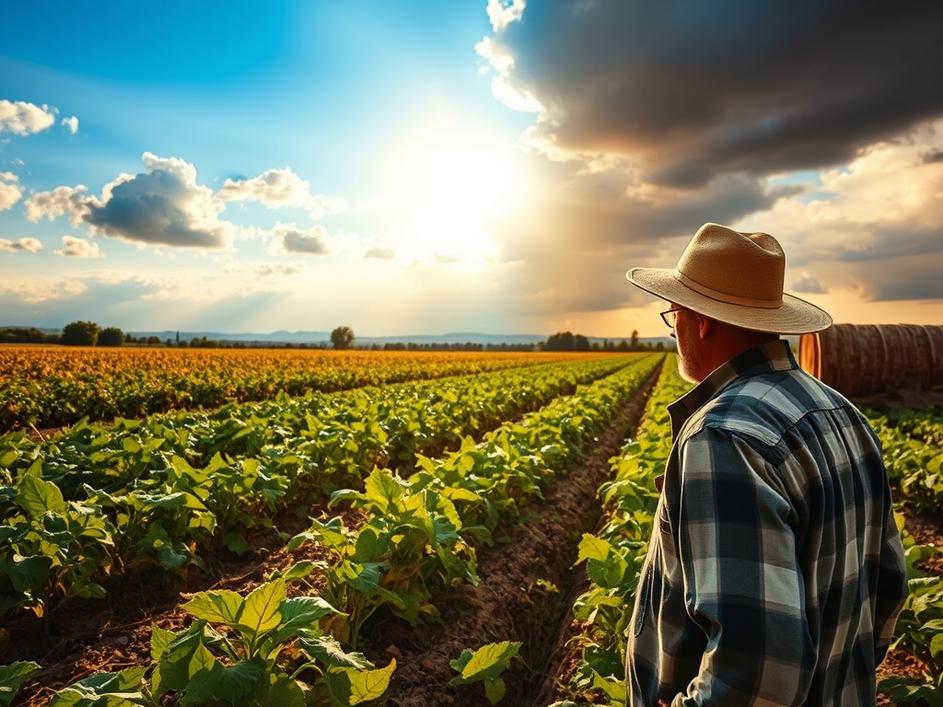
Climate change isn’t some distant issue anymore. It’s affecting farmers today. Weather patterns are shifting. Droughts, floods, and irregular seasons are becoming common. These changes hit farmers hard. They rely heavily on consistent climate conditions for good crop yields. When these conditions fluctuate, it can mean financial hardship.
What Farmers Are Facing
Farmers are dealing with a lot. They spend years cultivating crops, but if weather patterns go awry, all that hard work can vanish. Imagine planting crops just to have a sudden frost hit or an unexpected drought ruining your harvest. This isn’t just theory; it’s happening everywhere. Many farmers are now facing lower yields, which impacts not just their families but also the local and national food supply.
The Solutions on the Table
There are some ways to cope with climate change, though. For instance, farmers can adopt more resilient crops that can endure heat or flooding. Governments and organizations are putting money into research to find the best solutions. Education is also key here. Farmers need access to information on adapting to these changes. They have to learn not just about different crops but also about soil health and water management. This knowledge can empower them to make better farming decisions.
Technology as a Helping Hand
Technology could play a crucial role as well. Innovations such as precision farming help farmers use resources more efficiently. Drones can monitor crop health, and data analytics can guide planting decisions. Farmers who embrace technology might have a better chance of turning things around amid these changes. It’s not easy, but using every tool available could make a difference in their fortunes.
Your Role in All of This
As consumers, we can also make choices that impact agriculture. Supporting local farmers or choosing seasonal produce can help create a more sustainable food system. Even small decisions, like reducing food waste, play a part in this larger picture. Every little bit counts in the fight against climate change, so it’s essential to think about what is on our plates and where it comes from. Working together, consumers and farmers can help adapt to the challenges ahead.






Comments are closed