The Current Landscape of Climate Policy
As we continue to grapple with the effects of climate change, recent shifts in climate policy have stirred discussions among citizens, activists, and policymakers alike. Governments worldwide are increasingly acknowledging the urgent need to address environmental issues, yet the approaches vary significantly. Some nations are pushing ambitious agendas, while others take a more cautious stance. It’s these differences that can shape global climate efforts in the years to come.
The Role of International Agreements
International agreements play a pivotal role in addressing climate change. Treaties like the Paris Agreement set targets for emission reductions, aiming to limit global warming. With recent updates, many countries have pledged to set more aggressive goals, showing a growing recognition of the climate emergency. However, the effectiveness of these agreements depends heavily on compliance and collaboration between nations. Each country’s commitment reflects its priorities, resources, and political will.
The Impact on Local Communities
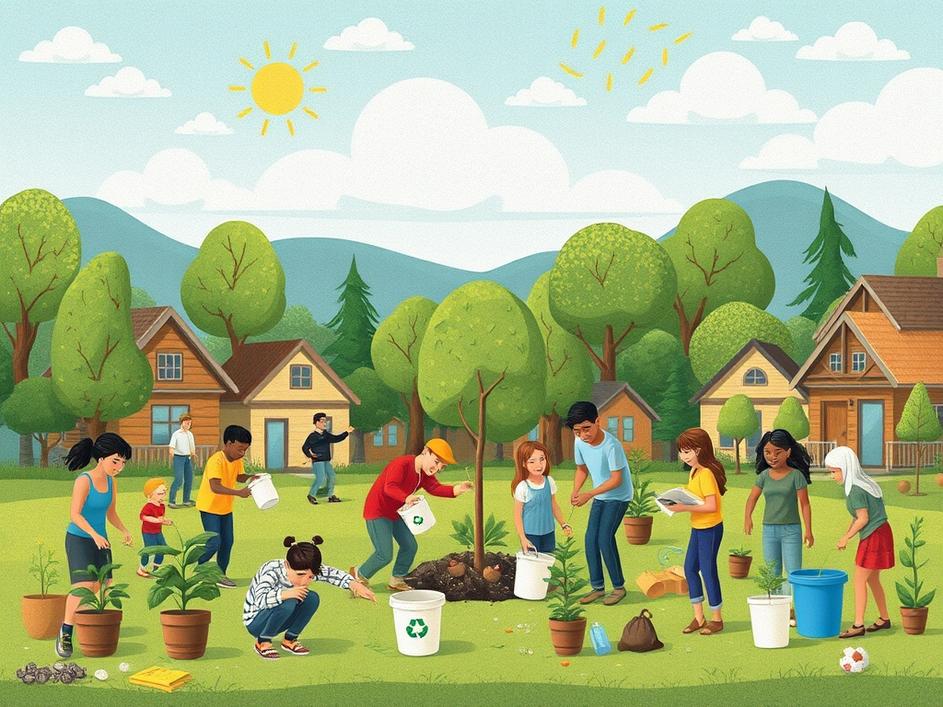
While national policies are crucial, local communities often feel the direct impact of climate actions—or inactions. Changes in regulations can affect everything from air quality to job availability in green sectors. For instance, regions that invest in renewable energy might see job growth, while areas reliant on fossil fuels could face economic challenges. It’s important to foster a just transition that considers the needs of all communities, ensuring that nobody is left behind in the move toward sustainability.
Innovation in Renewable Energy
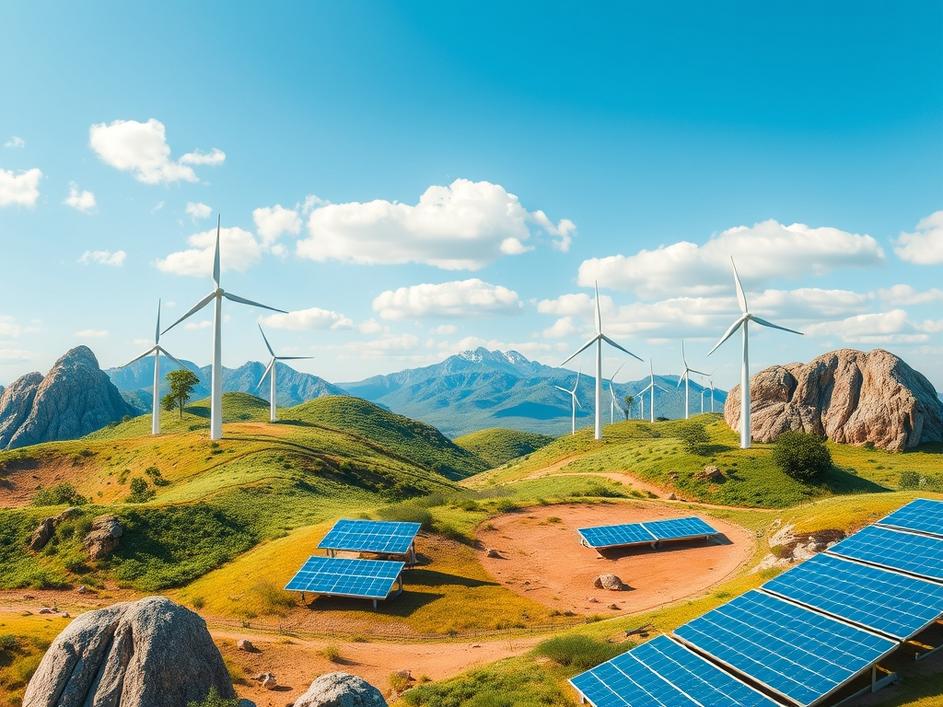
Innovation is at the heart of addressing climate challenges. Advances in renewable energy technologies, such as solar and wind power, have made it more feasible for countries to shift away from fossil fuels. Moreover, improved energy storage solutions are making renewable sources more reliable. As technology continues to evolve, it can lower costs and increase accessibility, making it easier for individuals and businesses to participate in sustainability efforts.
The Path Forward
Looking ahead, ongoing dialogue about climate policy is vital. Questions of accountability, funding, and the sharing of technology between countries are crucial to achieving significant progress. As public awareness grows, there is a pressing need for citizens to hold their governments accountable for their commitments. Climate advocacy isn’t just for activists; everyone has a role to play in pushing for meaningful change.





Comments are closed