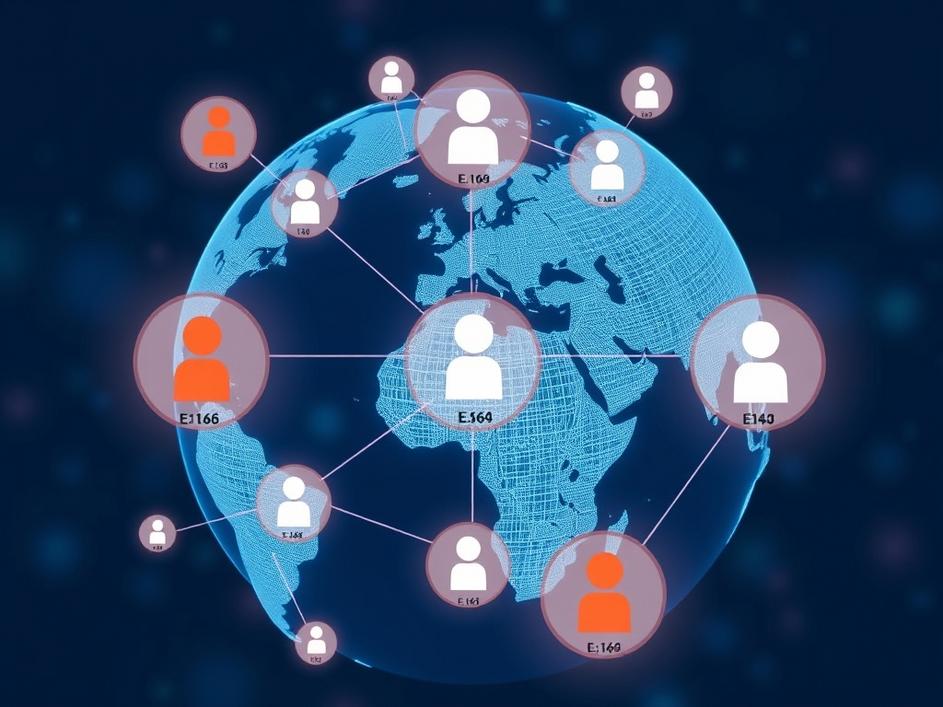
In a world that is increasingly interconnected, the significance of effective communication cannot be understated. With cross-border relationships blossoming in both business and personal arenas, the Body of European Regulators for Electronic Communications (BEREC) has stepped up to the plate by launching a dedicated numbering database for extra-territorial use. This innovative initiative promises to streamline international calling processes and enhance the accessibility of E.164 numbers—international country codes that play a fundamental role in global telecommunications.
The newly established database will serve as an essential resource for operators and service providers navigating through the complexities of international dialing. BEREC’s move comes as a response to the growing demand for a robust infrastructure that supports seamless communication across Europe and beyond. By centralizing these numbering resources, BEREC is not only improving operational efficiency but also enhancing regulatory oversight in an evolving digital landscape.
One of the most intriguing aspects of this initiative is how it addresses the challenges posed by varying regulations across different nations. Traditionally, telecommunication laws and numbering plans can vary significantly, complicating the process for companies wanting to offer services across borders. The establishment of this database presents a unified solution that will remove some of those barriers, fostering an environment where businesses can thrive and customers can connect more effortlessly.
Furthermore, the implications of BEREC’s database extend beyond merely technical enhancements; it stands as a testament to Europe’s commitment to digital cooperation. In a continent where nations often grapple with differing legal frameworks, this initiative promotes a cohesive approach to telecommunications and sets a precedent for collaborative governance. As operators begin to leverage this resource, we can expect enhanced compliance with regulatory standards while minimizing the risk of interference or misuse.
As we look towards the future, the true test will be the implementation and adoption of this numbering database. With technology advancing at a rapid pace, the communication sector must stay ahead of potential challenges that could arise from unauthorized activities or technical failures. However, if executed effectively, this initiative could serve as a landmark achievement in telecommunications, paving the way for a new era of global connectivity.






Comments are closed