Understanding Climate Technology
Climate change is a hot topic these days, and rightfully so. It affects everything from our weather patterns to the health of our planet. In response, there’s been a surge in climate technology, a field focused on creating solutions to mitigate environmental impact. These innovations range from renewable energy improvements to carbon capture advancements, and they’re altering the landscape of how we interact with our environment. But what exactly does this mean for our future?
The Rise of Renewable Energy
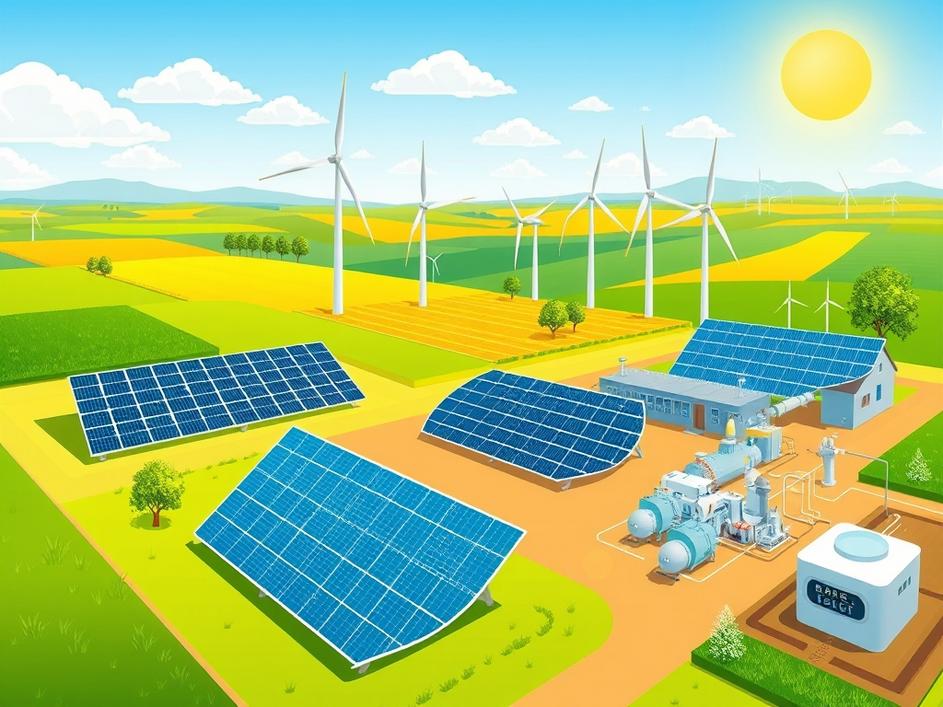
Renewable energy, particularly solar and wind power, is seeing unprecedented growth. Countries around the world are investing heavily in these technologies, driven by the need to reduce greenhouse gas emissions. This shift not only helps the environment but also creates jobs and can lead to energy independence. As prices drop and efficiency increases, more businesses and homes are turning to renewables, shifting the narrative of energy production.
Carbon Capture Technology: A Game Changer?
One of the most talked-about advancements is carbon capture technology. This involves capturing carbon dioxide emissions from sources like power plants and industrial processes before they reach the atmosphere. Some experts believe it could be a key tool in the fight against climate change. However, the technology is still in its infancy stage, and there are concerns about the cost and efficiency of capturing and storing this carbon long-term. Despite these challenges, many agree that continued research in this area is crucial.
Innovations in Sustainable Agriculture
Another intriguing aspect of climate technology is its impact on agriculture. Innovations are emerging that help farmers reduce their environmental footprint. Techniques such as precision farming use data analytics to optimize resource use, which leads to less waste. Furthermore, there’s an increasing interest in vertical farming, where crops are grown in stacked layers, often using less water than traditional farming methods. These practices not only help to feed a growing population but do so in a more sustainable manner.
The Future of Climate Technology
Looking ahead, the future of climate technology seems bright, but there are hurdles to overcome. The biggest challenge is how to scale these solutions. While large companies are making strides, small businesses and individual consumers often lack access to the latest technology. Bridging this gap is essential to ensure that everyone can contribute to a healthier planet. Policymakers will also need to step in, creating frameworks that support innovation and implementation.
Conclusion: A Collective Responsibility
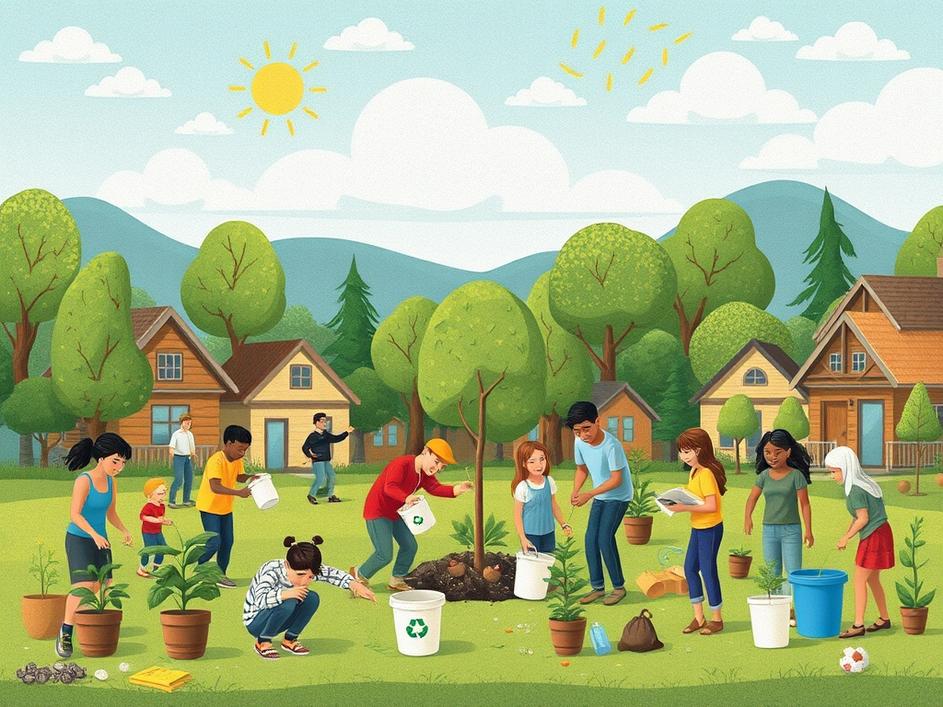
In the end, addressing climate change through technology is not just an individual effort—it involves communities, governments, and businesses working together. We need to support initiatives that promote renewable energy, carbon capture, and sustainable practices in agriculture. By doing so, we not only protect our planet but also pave the way for economic growth and a more sustainable future. What lies ahead is uncertain, but with the right tools in our hands, we can lead the charge towards a cleaner, greener world.





Comments are closed