

We are a digital agency helping businesses develop immersive, engaging, and user-focused web, app, and software solutions.
2310 Mira Vista Ave
Montrose, CA 91020

2500+ reviews based on client feedback
What's Included?
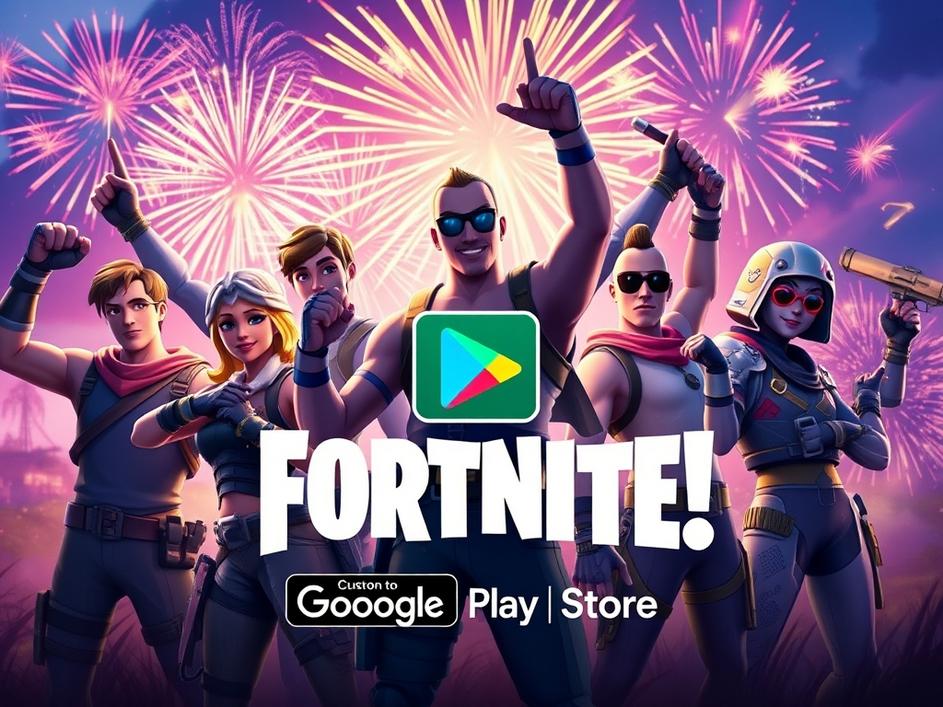
ToggleFortnite fans rejoice! The popular battle royale game is once again available on the Google Play Store in the United States. This marks the end of a prolonged absence, stemming from a legal dispute between Epic Games, the creator of Fortnite, and Google. The return signifies a major shift in the mobile gaming landscape and offers Android users a chance to jump back into the action without having to sideload the game.
The core of the disagreement centered around Google’s app store policies, specifically the requirement that developers use Google’s payment system for in-app purchases. Epic Games argued that this policy was anti-competitive and imposed an unfair tax on developers, hindering innovation and limiting consumer choice. They wanted to implement their own payment system within Fortnite, bypassing Google’s 30% commission fee. This clash of ideologies ultimately led to Fortnite’s removal from the Play Store, leaving Android users with limited access to the game.
While the legal battle between Epic and Google has been ongoing for quite some time and recently settled after five years, a court decision partially reversing restrictions that Epic initially won against Apple on iOS paved the way for Fortnite’s return to the Google Play Store. Specific details of the settlement remain confidential, but the game’s reappearance indicates a compromise or understanding has been reached. The settlement avoids the lengthy and unpredictable process of a trial, and allows both companies to move forward. The return also allows the mobile gaming landscape to normalize to some degree. This decision is not just a win for Fortnite players; it could also have broader implications for other app developers who have similar concerns about app store policies.
The return of Fortnite to the Google Play Store simplifies the process for Android users to download and update the game. Previously, players had to sideload the game, which involved downloading the game directly from Epic Games’ website and manually installing it. This process could be cumbersome and potentially risky for some users, as it required enabling installation from unknown sources, which could expose devices to security threats. Now, with the game back on the Play Store, updates and installations are seamless and secure.
Epic Games’ fight with Google and Apple has brought to the forefront the debate about app store policies and the power that these tech giants wield. The core issues are about fairness, competition, and the control of digital distribution platforms. While the specifics of this case are unique, the underlying concerns resonate with many developers. It has also sparked conversations about potential regulatory interventions to level the playing field and promote innovation in the app ecosystem. It’s possible that the return of Fortnite to the Play Store signals a shift in the way these platforms operate, with more emphasis on accommodating the needs of developers and offering greater flexibility in how they distribute and monetize their apps.
Fortnite is much more than a typical video game; it has become a cultural phenomenon. Its appeal lies in its unique blend of building, shooting, and exploration, as well as its ever-evolving seasons and collaborations with popular franchises. The game is also a social hub, where players can connect with friends, participate in events, and express themselves through customizable avatars and emotes. Its absence from the Google Play Store has undoubtedly impacted its reach and accessibility, particularly among younger audiences who rely on mobile devices for gaming and entertainment. The game’s return is a great step for the company that lost a valuable distribution channel, not to mention the users who were left out during the legal battles.
Ultimately, the return of Fortnite to the Google Play Store represents a victory for accessibility and convenience. While the broader debate about app store policies continues, the immediate benefit is that millions of Android users can once again easily access and enjoy one of the world’s most popular games. It marks a significant moment in the ongoing saga between Epic Games and the tech giants, and it will be interesting to see how this development shapes the future of the mobile gaming industry.
With Fortnite back on the Play Store, Epic Games can focus on what they do best: creating compelling content and engaging experiences for their players. We can expect to see new seasons, collaborations, and features that will continue to keep the game fresh and exciting. The return to the Play Store also opens up new opportunities for Epic to reach a wider audience and expand its presence in the mobile gaming market. The game’s return marks a new chapter in the game’s lifecycle on the Android ecosystem. It will be exciting to see where it goes from here!

Comments are closed