

We are a digital agency helping businesses develop immersive, engaging, and user-focused web, app, and software solutions.
2310 Mira Vista Ave
Montrose, CA 91020

2500+ reviews based on client feedback
What's Included?
ToggleStar Trek, in all its iterations, loves a good story about reaching for the impossible. Among these tales, the plight of the USS Voyager stands out. Stranded light-years away from home, its crew faced a decades-long journey back to Federation space. While Voyager eventually made it, the desire to shorten that journey, or at least maintain contact, remained a compelling narrative thread. What if someone believed they could still reach out, even after Voyager’s return? What risks would they take?
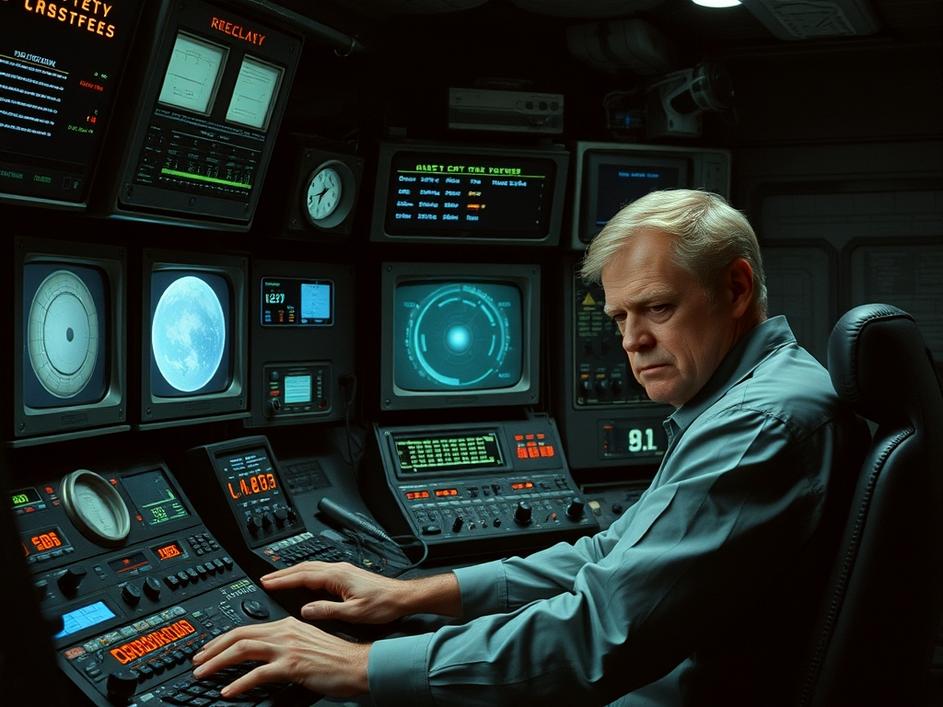
Reginald Barclay. The name might bring a smile to the faces of Star Trek fans. Initially presented as a somewhat hapless and anxiety-ridden engineer, Barclay evolves into a surprisingly resourceful and dedicated member of Starfleet. His expertise with holodecks and his unique way of processing information make him an asset, despite his social awkwardness. So, when Barclay becomes involved in a project aiming to contact Voyager after its return, it’s a natural, if slightly concerning, fit. Given his past struggles and triumphs, you can understand why he would feel personally invested in ensuring no one is ever truly lost.
The Pathfinder Project itself sounds like a noble undertaking. The goal is simple: to develop advanced communication techniques capable of reaching extreme distances. This isn’t just about Voyager; it’s about pushing the boundaries of interstellar communication, opening up the possibility of contacting other lost vessels, distant colonies, or even, perhaps, alien civilizations. But as with any ambitious endeavor, Pathfinder likely faced bureaucratic hurdles, technological limitations, and, of course, the ever-present risk of failure. So, when Barclay feels he has found a way to boost the project, he jumps at it.
But here’s the rub. Barclay, driven by his determination, takes a significant risk. The details of his method are less important than the underlying principle: he’s willing to jeopardize his career, and potentially more, to pursue his belief that he can contact Voyager. This raises some interesting questions about the nature of ambition, obsession, and the fine line between dedication and recklessness. Is Barclay a visionary, bravely pushing the boundaries of science? Or is he a man blinded by hope, willing to sacrifice everything on a long shot?
What makes this story compelling is not the science-fiction elements, but the very human drama at its core. It’s about the desire to connect, the fear of being alone, and the lengths to which we’ll go to bridge the gaps that separate us. Barclay’s actions, regardless of their success, speak to a deep-seated need for closure, for reassurance that even across vast distances, communication and connection are possible. He represents the part of us that refuses to give up, that keeps searching for a signal in the noise, a voice in the void.
And that’s why the story of Barclay and the Pathfinder Project resonates. It’s not just about a starship lost in space; it’s about the universal human experience of loss, longing, and the enduring hope that somewhere, somehow, we can reach out and touch someone who feels impossibly far away. It’s a reminder that even in a vast and indifferent universe, the desire for connection remains a powerful force, driving us to take risks, to push boundaries, and to never give up on the possibility of finding our way home, or helping others find theirs.
One aspect that is interesting is the ethics of contacting Voyager AFTER they had already returned. If Barclay’s method was risky, perhaps even damaging, what right did he have to subject the Voyager crew to such a hazard? Did he consider the potential psychological impact of reopening old wounds, of dredging up memories of their long and arduous journey? This is the question that elevates the story beyond a simple tale of technological innovation and turns it into a complex exploration of human responsibility.
Ultimately, the story leaves us pondering. Was Barclay successful? Did he make contact with Voyager? The answer, perhaps, is less important than the questions the story raises. It’s a reminder that the pursuit of knowledge, the desire for connection, and the unwavering hope for a better future are what truly define us as individuals and as a species. And sometimes, the greatest discoveries are not found in the stars, but in the depths of the human heart.



Comments are closed