

We are a digital agency helping businesses develop immersive, engaging, and user-focused web, app, and software solutions.
2310 Mira Vista Ave
Montrose, CA 91020

2500+ reviews based on client feedback
What's Included?
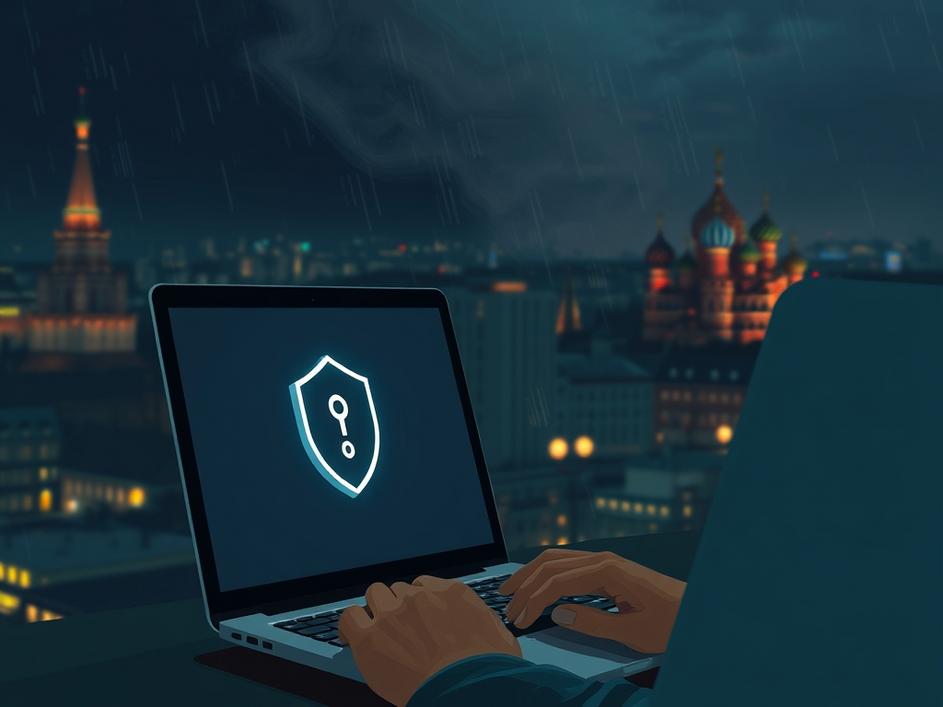
ToggleReports are circulating that Russian lawmaker Sergey Boyarsky has stated there are no plans to restrict the use of Virtual Private Networks (VPNs) in Russia in the coming year. This comes as a bit of a surprise to some, given the government’s increasing focus on controlling the flow of information within its borders. For those unfamiliar, VPNs essentially create a secure tunnel for your internet traffic, masking your IP address and allowing you to bypass geo-restrictions and censorship. They’ve become increasingly popular around the world, particularly in countries with strict internet regulations. So, what does this news really mean for Russian citizens and the future of internet freedom in the country?
To understand the significance of this announcement (or lack thereof), it’s important to remember that Russia has been gradually tightening its grip on the internet for years. We’ve seen laws requiring social media companies to store user data within the country, the blocking of certain websites and platforms, and the increasing use of surveillance technologies. The government claims these measures are necessary to combat extremism, protect national security, and prevent the spread of misinformation. Critics, however, argue that they’re designed to stifle dissent and control the narrative.
The question then becomes: if the Russian government is so keen on controlling the internet, why not simply ban VPNs outright? There are likely several reasons. First, a complete ban would be incredibly difficult to enforce. While the government can block access to known VPN services, new ones pop up all the time. It’s a constant game of cat and mouse. Second, a ban could have negative economic consequences. Many businesses and individuals rely on VPNs for legitimate purposes, such as accessing foreign markets, protecting sensitive data, and ensuring the security of their communications. A ban could disrupt these activities and harm the Russian economy. Third, a complete ban would likely be met with widespread public resistance. VPNs have become an essential tool for many Russians to access independent news sources, communicate with friends and family abroad, and bypass censorship. A ban could lead to increased social unrest and damage the government’s credibility.
So, is this a sign that the Russian government is softening its stance on internet freedom? Probably not. More likely, it’s a calculated decision to maintain a degree of control without triggering a major backlash. The government may be focusing on other methods of control, such as strengthening its surveillance capabilities, targeting specific individuals and organizations, and spreading disinformation. It’s also possible that the government is simply biding its time, waiting for the right moment to introduce new restrictions. The statement about “no plans for next year” leaves plenty of room for changes later. We have seen that “next year” is subject to change. It does not mean VPN usage will be completely unrestricted. The government could still make it more difficult or risky to use VPNs, for example, by imposing fines on users or requiring VPN providers to register with the government.
Ultimately, the future of VPNs in Russia remains uncertain. While there are no immediate plans to ban them, the government’s long-term goal of controlling the internet is clear. It’s likely that we’ll see continued efforts to restrict access to information, increase surveillance, and silence dissent. Whether VPNs will be able to withstand these pressures remains to be seen. In the meantime, it’s important for Russian citizens to be aware of the risks involved in using VPNs and to take steps to protect their privacy and security. Staying informed and supporting organizations that promote internet freedom are also crucial. The fight for a free and open internet in Russia is far from over, and it’s a fight that deserves our attention and support. While the deputy’s statement may provide a temporary sense of relief, vigilance is key.
It’s worth mentioning that even if VPNs remain legal in Russia, they may not be entirely safe to use. The Russian government has been known to monitor internet traffic and track down VPN users. It’s also possible that some VPN providers are cooperating with the government, providing them with user data. Therefore, it’s important to choose a VPN provider carefully and to take steps to protect your anonymity online. Using strong passwords, enabling two-factor authentication, and avoiding suspicious websites are all good practices to follow.
This situation in Russia is a reminder of the importance of internet freedom around the world. In many countries, governments are using similar tactics to control information and suppress dissent. It’s crucial for us to defend the principles of a free and open internet and to support those who are fighting for these rights. The internet has the potential to be a powerful tool for democracy and social change, but it can also be used to control and manipulate people. It’s up to us to ensure that the internet remains a force for good.
Boyarsky’s statement offers a glimpse of hope, but it shouldn’t be mistaken for a complete victory. The situation remains fluid, and the Russian government’s intentions are far from transparent. Users should remain vigilant, informed, and prepared for potential changes in policy. The ongoing struggle for internet freedom requires constant awareness and proactive measures to safeguard online privacy and access to information. The key takeaway is cautious optimism – enjoy the current accessibility, but be ready for the possibility of future restrictions.



Comments are closed