

We are a digital agency helping businesses develop immersive, engaging, and user-focused web, app, and software solutions.
2310 Mira Vista Ave
Montrose, CA 91020

2500+ reviews based on client feedback
What's Included?
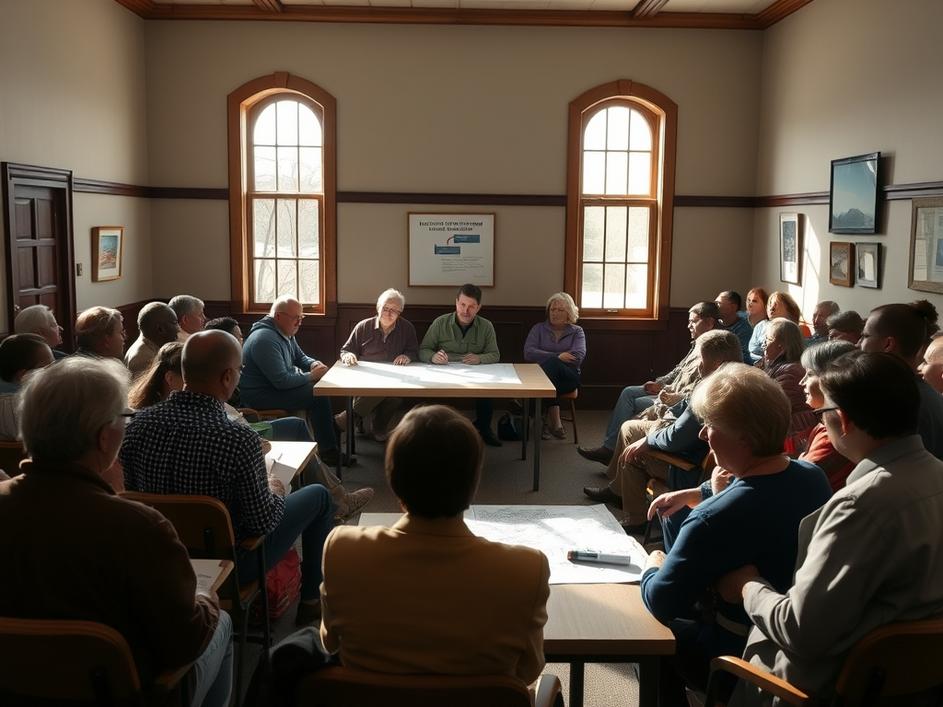
ToggleLast month, a mid-sized town announced a climate plan built on practical steps rather than flashy tech. It aims to shield neighborhoods from floods, trim energy bills, and give locals new chances to work in the green economy. The plan sticks to doable changes: better drainage and culverts, a small solar microgrid for city buildings, home upgrades for energy efficiency, and a local fund to hire crews for these tasks. City hall framed it as a community project, inviting residents to weigh in at public meetings and on a new online portal. The room during the first briefing was a mix of optimism and wariness. People who have lived through flood scares see a path forward. Skeptics worry about the cost, upkeep, and whether the plan can survive changing votes. It may not be perfect, but it sounds like a town trying to decide its own weather.
Funding is a big piece. The town is counting on a patchwork of state grants, federal loans, and local bonds. The math is careful but not easy. The city says the upfront money will be paid back by lower energy costs, reduced flood damages, and new payrolls from training programs. Critics push back on debt and interest, especially if timelines slip. The plan includes a sunset for some programs to avoid endless funding, but it also builds in a maintenance fund. The key question is not just how to pay, but how to measure payoff. If the town can show a steady stream of skilled workers and stronger neighborhoods within five years, the plan earns legitimacy. If not, it risks becoming another proposal that people forget after the next election.
The project sets aside space for training young residents and for workers who have faced job gaps. Free workshops, paid apprenticeships, and partnerships with local unions are part of the approach. The goal is to spread opportunity beyond a few neighborhoods. But there is a real worry that the best gigs go to people who already have a foothold in the town’s networks. The planners try to reserve slots for low-income homeowners and renters who often miss out on big projects. If the plan keeps its promises, it could lift families at the edges. If not, it could reinforce old patterns. The test is simple: does the plan lift everyone a little, without leaving anyone further back? The answer will shape how the town moves forward.
Local politics adds a layer of pressure. The plan crosses party lines in a way that feels rare in some places. The mayor pushes a pragmatic agenda, while some council members worry about taxes and long-term commitments. Business owners worry about permitting and overhead, even as they see potential new customers through street improvements. The timing matters. If floods come soon, people will demand action. If the weather stays calm, supporters will need to show steady progress to keep faith. The plan’s success depends on clear communication, transparent budgeting, and steady milestones. Without those, the project drifts and loses its bite. This is where small towns often stumble: the promise is big, the patience is small.
What this story adds to the broader conversation is not a miracle solution. It offers a blueprint for careful, local action. Start with real needs, not headlines. Match goals to concrete tasks that can be seen and measured. Build a pipeline for workers that lasts beyond a single project. And keep people in the loop, with honest updates about speed bumps and costs. The plan reminds us that climate work is not a sprint but a steady practice. It depends on trust between officials and residents. It asks people to show up, not just to vote, but to learn and do. If more towns borrow this spirit, we will see steadier progress on shared challenges.
In the end, small towns do not erase big problems. What they can do is show how to live with risk and change. The Willow Bend approach, or any similar plan, treats resilience as a daily habit, not a single grant. It invites people to learn new skills, repair aging infrastructure, and build a sense of common purpose. The distance between good intentions and real results is real, yes, but it is not insurmountable. The real win is momentum: the town acts, people gain new work, and neighborhoods feel safer. If readers take one idea from this story, let it be this: small, steady steps, taken together, can redraw a community’s future.



Comments are closed