

We are a digital agency helping businesses develop immersive, engaging, and user-focused web, app, and software solutions.
2310 Mira Vista Ave
Montrose, CA 91020

2500+ reviews based on client feedback
What's Included?
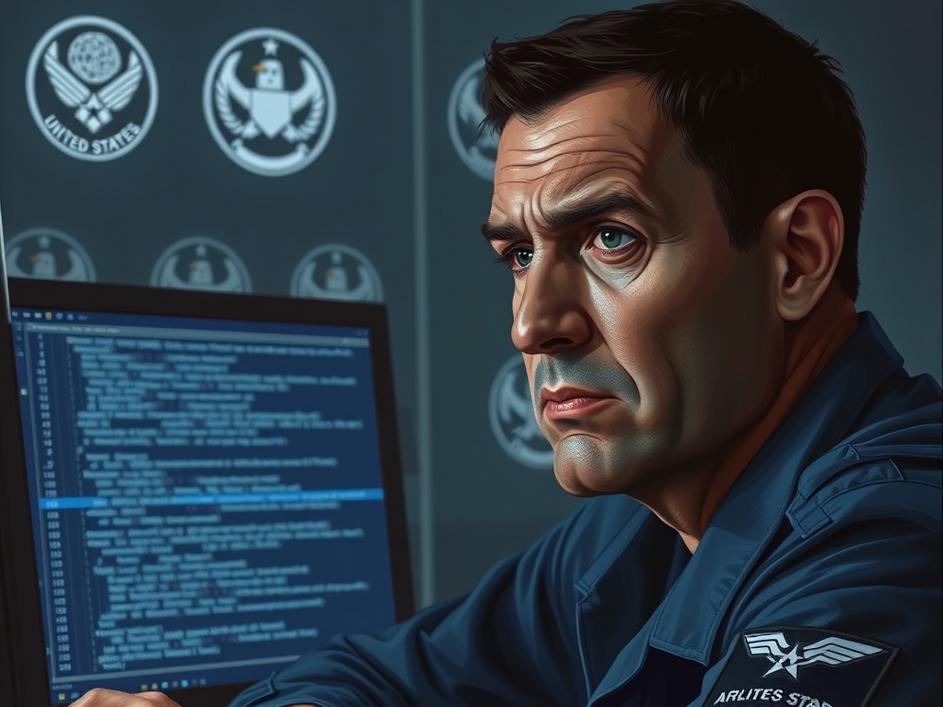
ToggleAn AI-generated image, purporting to show a rescued American airman, recently made the rounds on social media, shared by several prominent Republican officials. The problem? It wasn’t real. The situation highlights a growing concern: the potential for AI-created content to be used, or misused, in the political sphere. It raises questions about verification, responsibility, and the ever-blurring lines between reality and fabrication.
The situation unfolded with claims of an American F-15 jet being shot down over Iran. The AI-generated image surfaced amidst this unconfirmed report, depicting an airman supposedly rescued from Iranian territory. The image was quickly disseminated, gaining traction and sparking reactions before its artificial origin was exposed. The officials who shared the image have since faced criticism for their role in spreading misinformation. It showcases the speed with which false narratives can propagate in the digital age, especially when amplified by influential figures.
Why did this AI-generated image gain so much traction? The power of visual content cannot be overstated. A compelling image can bypass critical thinking and tap directly into emotions. In this instance, the image likely played on themes of American heroism, national pride, and the potential for conflict with Iran. These are potent emotional triggers, and the image served as a visual confirmation of a pre-existing narrative, even though that narrative was based on unverified information. People often share things that confirm their beliefs or reinforce their feelings, regardless of the actual truth. So the image became a perfect storm of visual storytelling and political bias.
This incident also brings up the critical question of responsibility. Who is accountable when misinformation is spread through AI-generated content? Is it the person who created the image, the person who shared it, or the platform on which it was disseminated? The answer is likely a combination of all three. Creators need to be mindful of the potential for misuse, sharers need to exercise critical thinking and verify information before amplifying it, and platforms need to implement measures to detect and flag AI-generated content, particularly when it pertains to sensitive topics such as geopolitical events. The law hasn’t caught up to the technology here, but the court of public opinion is already weighing in.
This event signals a worrying trend: the weaponization of AI in political discourse. As AI technology becomes more sophisticated and accessible, it will become increasingly difficult to distinguish between authentic and fabricated content. This poses a significant threat to informed public debate and can erode trust in institutions and the media. Imagine a future where AI can generate convincing videos of political candidates saying or doing things they never actually did. How would voters make informed decisions in such an environment? The potential for manipulation is immense, and society needs to develop strategies for combating this threat.
One of the most important defenses against the misuse of AI-generated content is media literacy. Individuals need to be equipped with the skills to critically evaluate the information they encounter online. This includes questioning the source, verifying claims, and being aware of the potential for bias. Educational programs and public awareness campaigns can play a crucial role in fostering media literacy. Furthermore, technology companies need to invest in tools that can help users identify AI-generated content and verify its authenticity. It’s not about stifling creativity or innovation; it’s about ensuring that people are able to distinguish between what is real and what is not.
The incident with the AI-generated image of the airman serves as a stark reminder of the challenges and opportunities presented by artificial intelligence. While AI has the potential to revolutionize many aspects of society, it also carries the risk of misuse and manipulation. As we move forward, it is crucial to approach this technology with caution and vigilance. We need to develop ethical guidelines, promote media literacy, and hold individuals and organizations accountable for the spread of misinformation. The future of political discourse, and indeed democracy itself, may depend on it. AI is a powerful tool, but like any tool, it can be used for good or ill. The choice is ours.

Comments are closed