

We are a digital agency helping businesses develop immersive, engaging, and user-focused web, app, and software solutions.
2310 Mira Vista Ave
Montrose, CA 91020

2500+ reviews based on client feedback
What's Included?
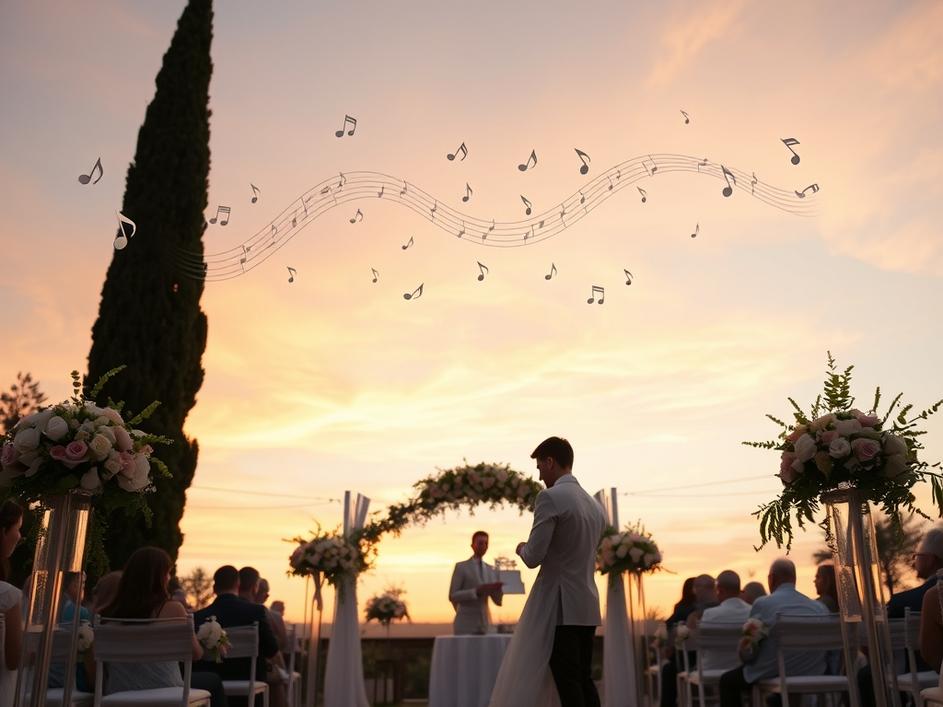
ToggleAustin Lau works in marketing at Anthropic, but his latest side project has nothing to do with ad copy. As his wedding day approaches, he decided to treat the ceremony like a personal Spotify Wrapped. Instead of scrolling through a year‑long listening history, he fed twelve years of text messages, emails, and social media chats into Anthropic’s Claude Code. The goal was simple: let the AI spot recurring themes, inside jokes, and emotional peaks, then match those moments to songs that feel like a soundtrack for his love story. The result is a curated list that feels both nostalgic and fresh, as if the AI had been listening to the couple’s conversation all along. It’s a playful reminder that the data we generate every day can be repurposed for something deeply human.
Claude Code is a version of Anthropic’s Claude model that can run code, scrape data, and even generate simple scripts on the fly. Lau gave it a dump of his chat logs, asked it to pull out keywords, sentiment shifts, and recurring phrases, then let it map those to a music database. The AI didn’t just pick the top‑chart hits; it looked for songs that mirrored the tone of a particular text exchange – a late‑night confession, a goofy meme, a supportive pep talk. When the model suggested “You’re My Best Friend” for a thread about moving in together, the fit felt uncanny. The whole process took a few hours, but the output reads like a love‑letter in song form.
At its core, Claude Code uses embeddings – numerical representations of words that capture meaning. By converting each message into an embedding, the model can compare how close two sentences are in emotional space. Lau also asked the AI to cluster messages by date, so the playlist could follow a timeline that mirrors the couple’s journey. Then a simple Python script matched the clusters to a public music API, pulling tracks whose lyrical content or mood matched the cluster’s vibe. The result is a layered playlist that moves from early‑stage excitement to mature partnership, all without a human curating each song. It shows how far AI has come from just suggesting “top hits” to actually interpreting personal narratives.
A generic wedding playlist can feel safe but often ends up sounding like a radio station. Lau’s approach flips that script by grounding each song in a shared memory. When you hear a track that was suggested because of a specific joke about pizza toppings, the moment feels instantly personal. It’s not just nostalgia; it’s a reminder that the couple’s story is built on tiny, everyday exchanges. This method also sidesteps the “one size fits all” problem. Instead of guessing what guests might like, the playlist reflects the couple’s own taste, filtered through the lens of their communication style. It turns background music into a narrative thread that guests can follow, even if they don’t know the backstory.
Lau’s experiment is a glimpse of what could become common practice. Imagine birthday parties where an AI scans your photo library to pick songs that match the vibe of each picture, or anniversaries where a model suggests a menu based on the recipes you’ve shared online. The technology is already there; it just needs a creative spark. There are ethical questions, of course – how much of your private chat history should you hand over to an algorithm? But when the data is yours and you control the process, the payoff can be surprisingly intimate. As AI tools become more accessible, we may see a wave of hyper‑personalized experiences that feel less like a service and more like a collaboration between human memory and machine insight.
Austin Lau’s wedding playlist shows that AI can do more than automate tasks; it can help us celebrate the moments that define us. By turning twelve years of conversation into a musical timeline, he created a soundtrack that is both data‑driven and deeply emotional. It reminds us that the digital footprints we leave behind are not just logs for advertisers – they can be raw material for art, memory, and connection. As we get more comfortable handing our stories to smart systems, the line between technology and sentiment will keep blurring, and that may be a good thing for anyone looking to add a personal touch to life’s big events.
Source: Original Article

Comments are closed