

We are a digital agency helping businesses develop immersive, engaging, and user-focused web, app, and software solutions.
2310 Mira Vista Ave
Montrose, CA 91020

2500+ reviews based on client feedback
What's Included?
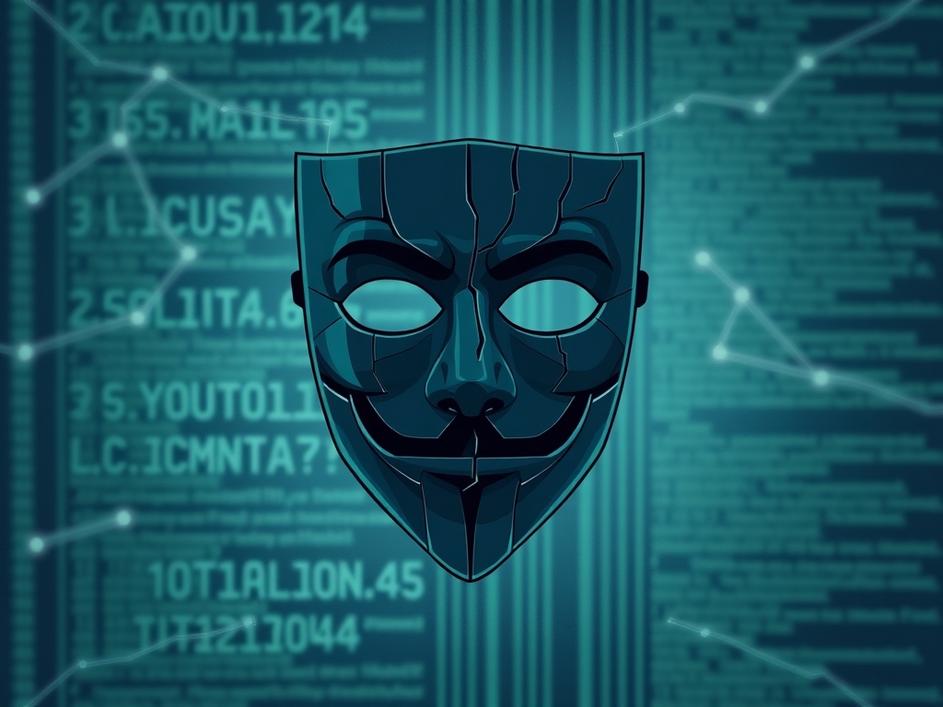
ToggleOnline anonymity: it’s supposed to be a shield, a digital cloak allowing us to ask embarrassing questions, seek advice on sensitive topics, or even just voice opinions without fear of judgment. Platforms like Quora and, in South Korea, Naver’s Jisik iN thrive on this promise. People feel safe sharing their innermost thoughts and seeking guidance knowing their identity is protected. But what happens when that shield cracks?
Recently, Naver Jisik iN experienced a glitch that sent ripples through the South Korean entertainment world and beyond. For a brief period, users were able to see the linked accounts of individuals who had posted anonymously. This meant that the veil was lifted on celebrities and public figures, revealing questions and answers they thought were safely hidden behind the anonymity of the platform. Imagine the shock! Suddenly, those late-night queries about relationship problems or obscure medical symptoms were no longer secret. They were tied directly to the names of well-known personalities.
The immediate aftermath was, predictably, chaotic. Screenshots of the exposed information spread rapidly across social media. Speculation ran rampant about which stars had asked what, and the internet buzzed with theories and gossip. But beyond the initial excitement, the incident raised serious questions about online privacy and the responsibilities of platform providers. How secure is our data, really? And what safeguards are in place to prevent these kinds of breaches? Naver has since issued an apology and taken steps to fix the glitch, but the damage has already been done. The trust in the platform’s anonymity has been shaken, possibly irrevocably.
While the focus has been on the celebrities affected, this glitch serves as a stark reminder for all internet users. We often take online anonymity for granted, assuming our posts are truly untraceable. But this incident highlights the fragility of that assumption. Even on platforms that promise anonymity, there’s always a risk of exposure, whether through technical glitches, hacking, or simply a change in the platform’s policies. It forces us to consider what we post online, even under the guise of anonymity. Are we comfortable with the possibility, however slim, that our words could one day be linked back to our real identity?
This situation also throws into question what the future holds for online anonymity. As data collection and tracking technologies become increasingly sophisticated, it becomes harder and harder to truly disappear online. Regulatory bodies around the world are grappling with the challenge of balancing privacy rights with the need for accountability and security. Do we need stronger regulations to protect user data? Or should we accept that true anonymity is a thing of the past? The Naver Jisik iN glitch is a microcosm of a larger debate about the role of privacy in the digital age, and there are no easy answers.
It’s easy to get caught up in the juicy details of which celebrity asked about what medical condition or relationship issue. However, the implications of this glitch extend far beyond celebrity gossip. It’s about trust, data security, and the very nature of online identity. When a platform fails to protect its users’ anonymity, it undermines the foundation upon which it was built. This can have a chilling effect on free expression, as people become less willing to share their thoughts and opinions if they fear exposure.
Moving forward, it’s crucial that online platforms prioritize transparency and security. Users need to understand how their data is being collected, stored, and used. And they need to have confidence that their privacy will be protected. This requires more than just lip service. It requires robust security measures, clear privacy policies, and a commitment to accountability. When platforms fail to meet these standards, they risk losing the trust of their users and undermining the value of online communities.
The Naver Jisik iN incident serves as a powerful reminder: nothing online is ever truly private. Even when you think you’re protected by anonymity, there’s always a risk. So, the next time you’re about to post something online, take a moment to consider the potential consequences. Ask yourself: would you be comfortable with this being linked back to your real identity? If the answer is no, then perhaps it’s best to think twice before hitting send.



Comments are closed