

We are a digital agency helping businesses develop immersive, engaging, and user-focused web, app, and software solutions.
2310 Mira Vista Ave
Montrose, CA 91020

2500+ reviews based on client feedback
What's Included?
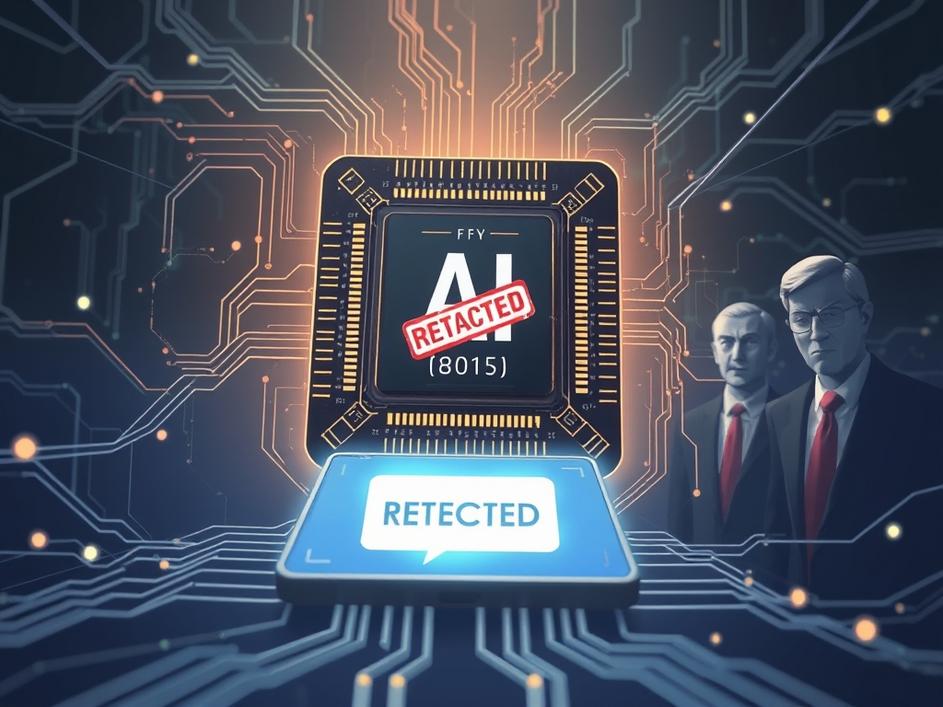
ToggleOpenAI, the name everyone knows for bringing us ChatGPT and pushing the boundaries of artificial intelligence, usually makes headlines for its incredible breakthroughs. But last Thursday was different. Instead of showcasing a new mind-bending model or a groundbreaking research paper, the company found itself in a bit of a scramble. It was a classic PR crisis, a situation where top executives had to quickly walk back a public statement. Imagine the leader in such a fast-moving, high-stakes field having to say, “Hold on, we didn’t quite mean that.” It’s a rare sight and it tells us a lot about the tightrope these companies walk, especially when it comes to talking about money, power, and government.
The core of the issue revolved around some comments or implications made about government help for chip manufacturing and investment. In the world of AI, chips are everything. They are the engine that runs these complex models. So, when a big player like OpenAI talks about such a crucial resource, people listen very closely. The exact words weren’t publicly detailed in the frantic backtracking, but the impact was clear: whatever was said, it was sensitive enough to warrant an immediate, public correction. Two senior executives quickly stepped in, trying to smooth things over and clarify that the earlier message was a “misstatement.” This quick change of tune wasn’t just a small correction; it was a full-blown effort to reset expectations and manage potential fallout, showing how sensitive and loaded even casual remarks can be in this space.
So, why the urgent correction? Why did a comment about something seemingly as straightforward as chip investments send the company into damage control? The answer lies in the deep, complex web of global economics, national security, and technological dominance that now surrounds AI. Chips aren’t just components; they’re strategic assets. Governments around the world are pouring billions into securing their own chip supply chains and developing advanced manufacturing capabilities. When a company like OpenAI, which relies heavily on these chips, makes a statement that could imply a certain level of government backing or partnership, it can trigger a lot of questions. It might suggest favoritism, influence policy decisions, or even stir up international trade discussions. It’s clear that the original statement, whatever it was, touched on a nerve related to these highly sensitive areas, forcing the company to act fast to prevent misunderstandings that could have far-reaching consequences.
The global race for AI leadership is largely a race for advanced chips. These specialized semiconductors are incredibly expensive to design and produce, and only a handful of companies worldwide have the expertise to make them. This creates a bottleneck for AI development, and everyone, from small startups to national governments, is feeling the pressure. For OpenAI, access to powerful chips isn’t just a business expense; it’s fundamental to their very existence and their ability to keep innovating. Any public comment suggesting specific government support or investment in this critical area can be seen as signaling a shift in market dynamics or even national policy. In this high-stakes environment, where every major player is trying to gain an edge, clarity and precision in communication are paramount. A simple slip can create ripples across markets and geopolitical landscapes, highlighting just how much is riding on every public word spoken by AI leaders.
This incident really brings home how much trust matters in the AI world. Companies like OpenAI are not just building software; they are building tools that will reshape our society, our jobs, and our daily lives. With such immense power comes a huge responsibility, and part of that is communicating clearly and openly with the public, with investors, and with governments. When a company has to quickly retract a statement, it can make people wonder what’s really going on behind the scenes. It can chip away at the confidence people have in their judgment and their transparency. In an area as complex and often misunderstood as AI, every word counts. It’s not just about avoiding bad press; it’s about maintaining a stable, trustworthy image that can withstand the inevitable scrutiny that comes with being at the forefront of such a profound technological shift.
It’s also worth remembering that the biggest AI companies are navigating uncharted waters. They’re growing at an incredible pace, and their influence now stretches far beyond just technology. They are becoming key players in discussions about national defense, economic competitiveness, and ethical governance. This means the way they communicate needs to mature rapidly. What might have been an acceptable casual comment a few years ago now carries much more weight. They are no longer just tech startups; they are global entities whose words can move markets and shape policy. This puts immense pressure on their communication strategies. This incident shows that they are still learning how to manage this new level of responsibility, and that every public interaction is a chance to build or break trust.
The scramble at OpenAI last Thursday serves as a powerful reminder for everyone in the rapidly evolving world of artificial intelligence. It shows us that even the smartest people at the most groundbreaking companies can make mistakes when it comes to public statements. But more importantly, it highlights that in a field with such massive potential and equally massive risks, careful, precise, and thoughtful communication isn’t just a good idea – it’s absolutely essential. The future of AI relies not just on amazing technology, but also on clear understanding, strong public trust, and responsible dialogue. As AI continues to grow and shape our world, the way its leaders speak about it will be just as important as the code they write.



Comments are closed