The speed of AI and a quiet alarm
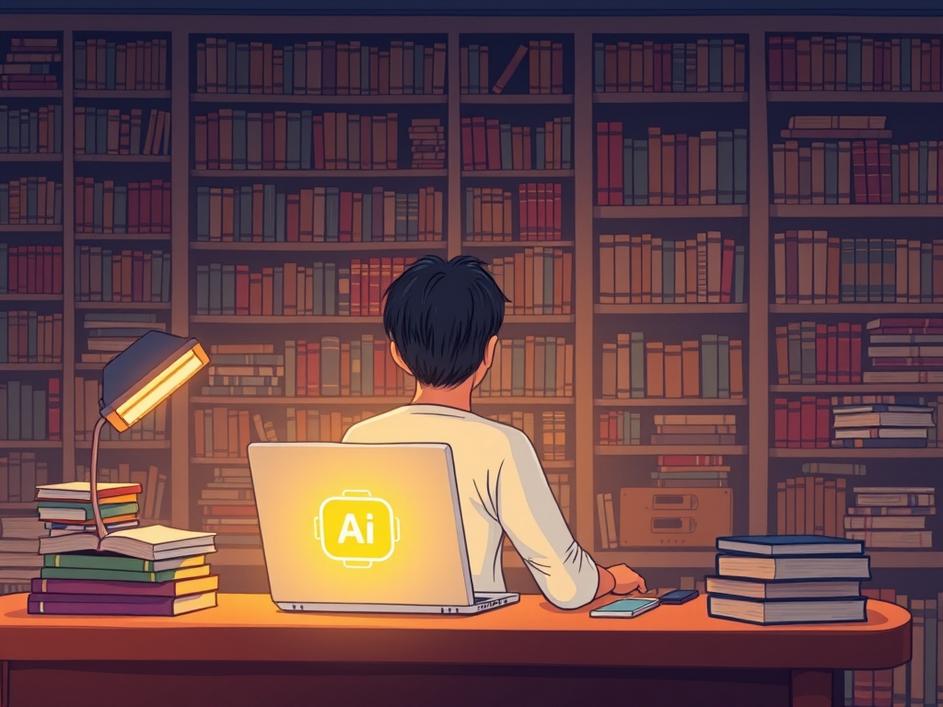
The speed of modern AI feels like magic. In a few seconds you can ask a question and get a polished response. That convenience is exciting, but it also raises a quiet alarm. The Royal Observatory in Ireland recently warned that this habit may make human intelligence feel less valuable. Their astronomer, Liv McMahon, points out that we are slipping into a pattern where we accept answers without thinking. The warning is not about AI itself, but about how we let it replace the mental work we used to do. In this post I will look at why that matters and what we can do to keep our minds sharp.
What trivialising intelligence really looks like
What does it mean to “trivialise” human intelligence? It means we start to treat thinking like a chore that can be outsourced. When a chatbot can solve a math problem or explain a scientific fact, the effort we once put into figuring it out shrinks. Over time, the brain gets less practice in the very skills that make us adaptable – pattern recognition, problem solving, and creative synthesis. Those skills are like muscles; they grow when we use them, and they atrophy when we don’t. If we let AI do all the heavy lifting, we risk a generation that can retrieve information but struggles to connect the dots.
A personal glimpse of the shortcut habit
I have seen this shift in my own daily routine. A few months ago I would spend ten minutes looking up a historical date, reading a few sources, and then writing a short note to remember it. Now I type the question into a chat window and paste the answer directly into my notes. The result is faster, but the mental walk through the facts is gone. That walk is where curiosity lives. It is also where we test our own understanding. Without that step, we may accept a wrong answer without noticing it.
Education caught in the instant‑answer trap
Schools are feeling the pressure too. Teachers report that students often copy AI‑generated essays word for word. The temptation is strong – grades matter, and the tool is easy to use. Yet when students skip the research phase, they miss the chance to learn how to evaluate sources, weigh evidence, and form their own arguments. Those are the habits that survive beyond the classroom. If we let AI become a shortcut for every assignment, we are short‑charging the very purpose of education.
Cultural ripple effects of instant knowledge
On a cultural level, the habit of instant answers reshapes how we talk to each other. Conversations become less about exploring ideas and more about confirming facts. We stop asking “why?” because the answer is already at our fingertips. That can erode patience, a quality that has helped societies solve complex problems for centuries. History shows us that breakthroughs often come after long periods of trial, error, and deep thinking. If we short‑circuit that process, we may miss out on the unexpected insights that arise from struggle.
Keeping the mind active in an AI world
So what can we do? The first step is to treat AI as a tool, not a replacement. Use it to check work, to get new perspectives, but keep the initial thinking to yourself. Set personal rules – for example, spend five minutes trying to solve a problem before you ask a bot. In classrooms, incorporate assignments that require students to explain the reasoning behind an AI‑generated answer. And as a society, we need to celebrate the process of learning, not just the end result. By doing so, we keep our minds active and ensure that the convenience of instant answers does not dull our intelligence.
Source: Original Article





Comments are closed