

We are a digital agency helping businesses develop immersive, engaging, and user-focused web, app, and software solutions.
2310 Mira Vista Ave
Montrose, CA 91020

2500+ reviews based on client feedback
What's Included?
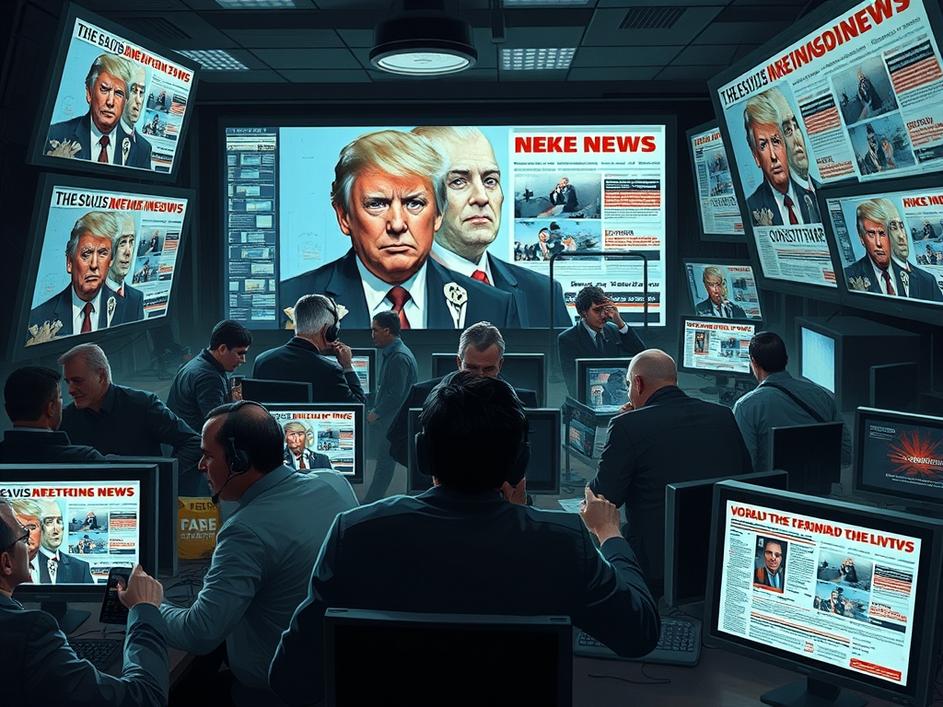
ToggleIn an era where reality blurs with the fabricated, a stark reminder has surfaced about the deceptive power of artificial intelligence. A photograph, supposedly showing Donald Trump alongside the disgraced Jeffrey Epstein, has been exposed as an AI-generated manipulation. This incident isn’t just a quirky oddity; it’s a concerning sign of the times, showcasing how easily technology can be weaponized to spread misinformation and potentially influence public opinion. The original photo, a genuine image, was altered to include Epstein, creating a false narrative that could be damaging to Trump’s reputation. The fact that this deception was spotted underscores the vigilance required in today’s digital landscape.
The ability of AI to create incredibly realistic images is advancing at breakneck speed. What once required skilled artists and hours of meticulous editing can now be achieved with a few prompts and clicks. This particular case highlights the sophistication of these tools. The AI didn’t just paste Epstein into the image; it considered lighting, perspective, and even subtle details to create a seemingly authentic portrayal. This level of realism is what makes AI-generated misinformation so potent and challenging to detect. It’s no longer about spotting obvious Photoshopped elements; it’s about scrutinizing every pixel for anomalies that betray the AI’s involvement.
The spread of doctored images, especially those involving prominent figures, can have far-reaching consequences. In the current hyper-polarized political climate, such images can quickly go viral, shaping perceptions and fueling existing biases. Even after the deception is exposed, the initial impact can be difficult to undo. People tend to remember the initial image they saw, even if they later learn it was fake. This can lead to a lingering suspicion or distrust, even when evidence proves the image’s falsity. The challenge lies not only in identifying these fake images but also in effectively communicating their falsity to a broad audience.
The question of responsibility in these situations is complex. Is it the person who created the AI-generated image? Is it the platform that hosts and disseminates it? Or does some responsibility lie with the AI developers themselves? There are no easy answers. Many argue that AI developers have a duty to build safeguards into their tools to prevent misuse. This could include watermarking images generated by AI or developing algorithms that can detect AI-generated content. However, these measures are often circumvented by those determined to spread misinformation. Ultimately, a multi-faceted approach is needed, involving technological solutions, media literacy education, and responsible online behavior.
In the face of increasingly sophisticated AI-generated misinformation, critical thinking is more crucial than ever. We must be wary of accepting images and videos at face value, especially those that align with our existing beliefs or biases. It’s essential to verify information from multiple sources, check the credentials of the original source, and look for any signs of manipulation. Simple techniques like reverse image searching can often reveal whether an image has been altered or previously appeared in a different context. Furthermore, social media platforms need to take a more proactive role in identifying and labeling AI-generated content, empowering users to make informed judgments.
This incident with the doctored Trump-Epstein photo serves as a wake-up call. It’s a stark reminder that we are entering an era where visual information can no longer be automatically trusted. The potential for AI-generated misinformation to influence elections, damage reputations, and sow discord is immense. Addressing this challenge requires a collective effort from technology companies, policymakers, educators, and individuals. We need to develop new tools and strategies for detecting and combating AI-generated misinformation, while also promoting media literacy and critical thinking skills. The future of truth in the digital age depends on it. The speed and ease with which the original photo was doctored highlights the need for constant vigilance and the importance of questioning what we see online.
The rise of AI-generated content isn’t inherently negative. AI has the potential to create art, enhance communication, and even improve our understanding of the world. However, like any powerful technology, it can be used for malicious purposes. As AI image generation becomes more sophisticated, it will become increasingly difficult to distinguish between real and fake images. This poses a significant challenge to our ability to discern truth from falsehood and requires a fundamental shift in how we approach visual information. Investing in education and research, fostering collaboration between technology experts and media organizations, and promoting ethical guidelines for AI development are all crucial steps in navigating this new reality. The fight against misinformation is not just a technological battle; it’s a battle for the very foundation of trust and truth in our society.


Comments are closed