

We are a digital agency helping businesses develop immersive, engaging, and user-focused web, app, and software solutions.
2310 Mira Vista Ave
Montrose, CA 91020

2500+ reviews based on client feedback
What's Included?
ToggleThe world of cryptocurrencies and blockchain technology often feels like a shiny new playground. There’s so much excitement, so many new ideas, and the promise of big things. People talk about decentralized finance, NFTs, and a future built on code. It’s easy to get caught up in the buzz, to dream about the next big project that will change everything. But just like any bustling new frontier, this digital space also has its shadows. For every genuine innovator, there’s someone lurking in the dark, ready to take advantage. And that’s where a recent warning from a project called Giggle Academy comes into sharp focus.
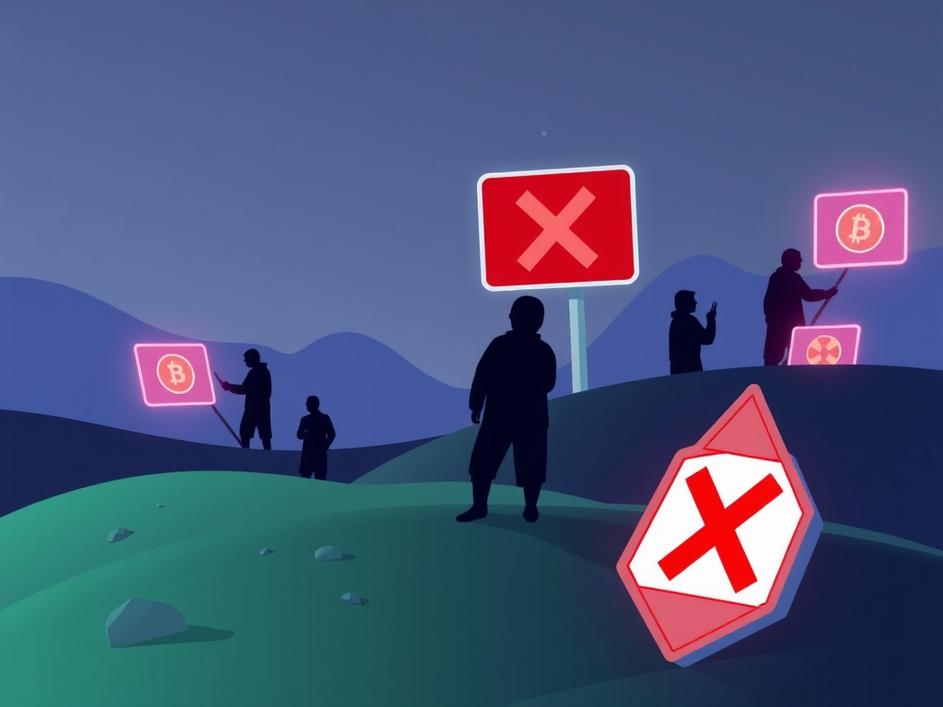
Imagine hearing about a project, maybe even seeing it gain some traction online. Then, suddenly, official word comes out, cutting through the noise with a blunt truth. That’s what happened with Giggle Academy. They made it very clear: they have not, repeat, *not* issued any tokens. They haven’t put out any smart contracts either. This isn’t just a minor technical detail; it’s a huge alarm bell ringing loud for anyone who might have thought otherwise. Why? Because it means if you’ve seen something claiming to be a Giggle Academy token or contract, it’s fake. Plain and simple. Someone is pretending to be them, and they’re doing it with a dangerous purpose.
So, what exactly is happening here? When a legitimate project like Giggle Academy warns about impersonation, it usually means bad actors are trying to trick people. These scammers are smart, and they know how to make fake things look real. They might create fake social media accounts that look just like the real ones. They could build websites that copy the official design, trying to convince you that you’re in the right place. Their goal is always the same: to get you to send your money (or your crypto) to them, believing you’re investing in something real. They might promise huge returns or create a sense of urgency, pushing you to act fast before you have time to think or check. It’s a classic bait-and-switch, but in the fast-paced, often confusing world of crypto, it’s incredibly effective if you’re not careful.
Giggle Academy’s warning isn’t an isolated incident. It’s a stark reminder of a bigger problem that plagues the entire crypto ecosystem. Every week, it seems there’s another story about a rug pull, a phishing scam, or a fake token that leaves people out of pocket. This isn’t just about losing a few dollars; people lose their life savings. The lack of traditional regulation, while appealing to some for its decentralized nature, also creates fertile ground for these kinds of deceptions. Because once your crypto is gone, it’s almost impossible to get it back. There’s no bank to call, no customer service line to ring. It’s gone. This makes the responsibility of staying informed and vigilant fall squarely on each individual.
So, what can you do when warnings like Giggle Academy’s pop up? First, always go straight to the *official* source. Don’t click links from random tweets or messages. Go to the project’s main website (type the address directly into your browser), or their verified social media accounts. Look for “verified” badges. Second, if something sounds too good to be true, it almost certainly is. Sky-high returns promised in a short time are a massive red flag. Third, never feel rushed. Scammers thrive on urgency. Take your time, do your research, and if you have any doubt, walk away. Finally, remember that legitimate projects will almost never ask you for your private keys or pressure you to send crypto directly to them. Be skeptical, be careful, and always, always double-check.
While the immediate concern in these scams is financial loss for individuals, there’s another layer of damage: the harm to a project’s reputation. When someone impersonates Giggle Academy, or any other project, and tricks people, it leaves a bad taste. Even if the project itself is innocent, the association with a scam can hurt trust and make people hesitant to engage in the future. It slows down innovation because builders have to spend time and resources fighting off bad actors instead of focusing on their actual goals. This kind of deception chips away at the overall credibility of the Web3 space, making it harder for everyone to truly benefit from its potential.
The digital world is always moving, and with new technologies come new ways for bad actors to cause trouble. Giggle Academy’s direct and clear message serves as an important reminder for all of us. It’s a wake-up call to stay alert, to question what we see, and to protect ourselves and our investments. The responsibility is shared: projects need to be loud and clear with their warnings, and users need to be smart and vigilant. Only by working together can we build a safer, more trustworthy digital future where genuine innovation can truly thrive, free from the shadows of deception.



Comments are closed